Navigating Work and Travel Health Requirements for Long-Stay Adventures
Travel rules change. HealthPass does not update blog posts after they are published, so please check the current requirements before you travel.
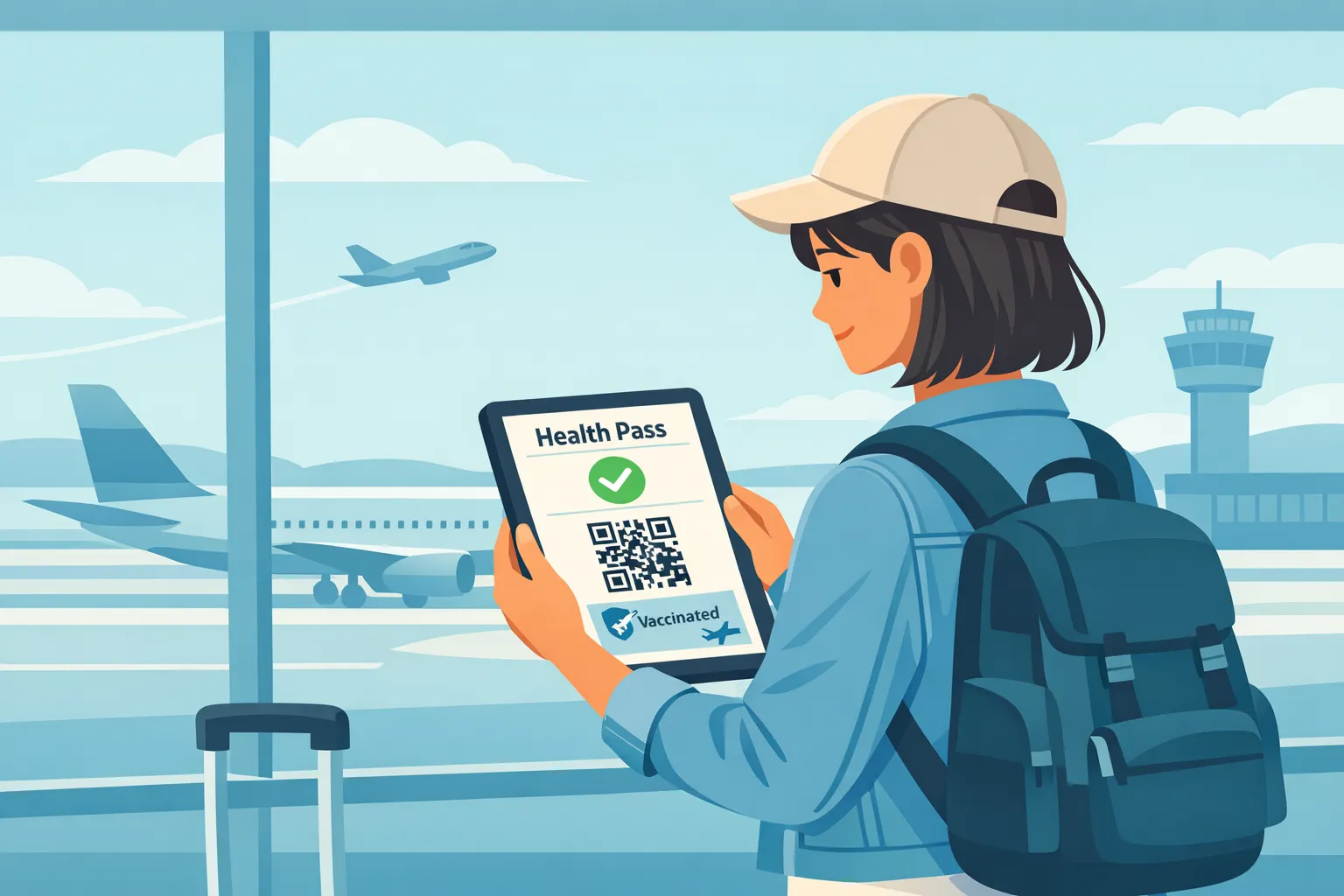
For professionals planning extended work-related travel, understanding and adhering to health requirements is crucial for a safe and successful long-stay abroad. The key is to ensure you are medically prepared, which involves vaccinations, managing chronic conditions, and understanding destination-specific health risks.
Many professionals embarking on long-term assignments face the challenge of balancing their work commitments with the need to maintain their health in unfamiliar environments. Whether it involves managing chronic conditions, keeping up with necessary vaccinations, or navigating local healthcare systems, the task can be daunting. The World Health Organization (WHO) and the Centers for Disease Control and Prevention (CDC) provide guidelines that can help streamline this process by offering comprehensive advice on international travel health requirements. These include ensuring up-to-date immunizations and having a plan for accessing medication and healthcare services abroad.
Common concerns include understanding which vaccinations are necessary for the destination, how to manage ongoing treatments while away from home, and what to do in case of a health emergency. Additionally, many are unsure how to access reliable healthcare services in a new country or how to handle language barriers in medical settings. Preparing adequately before departure can help alleviate these concerns, allowing you to focus on your work and enjoy the experience of living in a new country.
In the sections that follow, you will find practical advice on preparing for your journey, managing your health while abroad, and what to do in case of an emergency, ensuring your long-stay adventure is both productive and healthy.
What travellers with this condition need to know
Increased Risk of Infection
Travelers with chronic conditions, such as diabetes or heart disease, are often at a higher risk for infections due to potentially weakened immune systems. This heightened vulnerability can be exacerbated by exposure to different environments and pathogens that might not be present in one's home country. According to the World Health Organization (WHO), individuals with chronic conditions should be particularly diligent in maintaining hygiene and ensuring vaccinations are up-to-date. This includes vaccines for influenza and pneumonia, which are crucial for those with respiratory or cardiac conditions.
Managing Medication and Treatment
Another significant concern for travelers with chronic conditions is the management of medication and access to necessary treatments. The Centers for Disease Control and Prevention (CDC) advises that travelers carry an adequate supply of medication, along with copies of their prescriptions and a letter from their healthcare provider. This preparation is vital as certain medications may not be available in all countries or may require local prescriptions. Additionally, understanding how to access medical facilities abroad can prevent disruptions in ongoing treatment.
Impact of Travel Stress and Fatigue
Travel can be physically demanding, and for individuals with chronic conditions, the stress and fatigue associated with long journeys can exacerbate symptoms. The International Society of Travel Medicine (ISTM) highlights the importance of planning for adequate rest and managing stress during travel. This may involve scheduling regular breaks, staying hydrated, and ensuring a balanced diet to maintain energy and health. Furthermore, travelers should consider how time zone changes might impact their medication schedules and overall health management.
By understanding these risks and preparing accordingly, travelers with chronic conditions can significantly enhance their ability to enjoy and thrive during extended work assignments abroad. Empowering yourself with the right information and tools is essential for a successful journey, ensuring that your health remains a priority, no matter the destination.
Before you travel: a practical checklist
- Consult with a healthcare provider at least 6-8 weeks before departure to discuss your travel plans and receive tailored advice on managing your chronic condition abroad. This ensures you have ample time to address any health concerns and update necessary vaccinations. Visit the International Society of Travel Medicine for travel health clinics near you.
- Verify that your vaccinations are up-to-date, including those specific to your destination, as this can prevent serious illnesses. The CDC Travelers' Health provides a comprehensive list of recommended vaccines for different regions.
- Research and understand the healthcare system of your destination to know where to seek medical help if needed. The WHO travel and health resources can provide insights into international health services.
- Ensure you have an adequate supply of your medications for the entire duration of your stay, plus extra in case of delays. Check the INCB for regulations on carrying medications into your destination country.
- Prepare a comprehensive travel health kit that includes first aid supplies, over-the-counter medications, and any personal medical equipment you might need. This empowers you to manage minor health issues independently.
- Secure travel insurance that covers pre-existing conditions and potential medical evacuation, providing peace of mind and financial protection in case of emergencies.
- Compile a list of emergency contacts, including local healthcare providers, your home country’s embassy, and personal emergency contacts. Quick access to these numbers can expedite assistance during a crisis.
- Learn key medical phrases in the local language of your destination, as this can aid communication with healthcare providers if language barriers arise.
- Address mental health needs by identifying resources and support systems available both at home and in your destination, ensuring you maintain emotional well-being during your stay.
- Review and adhere to any specific health advisories or entry requirements for your destination by consulting the CDC destination pages, which provide up-to-date travel health notices and regulations.
During your trip: managing it abroad
Once you’ve arrived at your destination, managing your chronic condition effectively is key to ensuring your work and travel plans are not disrupted. Here are some practical strategies:
- Medications: Keep your medications in their original packaging and ensure you have enough supply for the duration of your stay, plus an extra week's worth in case of delays. Follow the prescribed dosing schedule diligently and set alarms if needed. If your medication requires refrigeration, ensure it is stored at the correct temperature, typically between 2°C and 8°C, and have a portable cooler or access to a refrigerator.
- Monitoring Health: Regularly monitor your condition using portable devices like blood glucose meters for diabetes or blood pressure monitors for hypertension. If you notice any readings consistently outside your usual range—such as a blood sugar level over 250 mg/dL or blood pressure readings above 180/120 mmHg—seek medical advice promptly.
- Emergency Preparedness: Know the local emergency services number and the location of the nearest hospital or clinic. If you experience symptoms like chest pain, severe headache, or difficulty breathing, get medical help immediately. It's helpful to have a phrase ready to communicate your needs, such as: "I have a medical emergency and need assistance immediately." Consider downloading a translation app if you’re in a non-English speaking country.
- Pharmacy Access: Identify reliable pharmacies in your area. In case you run out of medication, ask the pharmacist: "Do you have this medication or a generic equivalent?" It's beneficial to have the generic names of your medications handy, as brand names may differ internationally.
- Diet and Hydration: Maintain a balanced diet and stay hydrated, especially in hot climates. If dietary restrictions are part of your management plan, research local cuisine and plan meals accordingly. Aim for at least 2-3 liters of water daily unless advised otherwise by a healthcare provider.
For more detailed information on managing chronic conditions abroad, refer to the World Health Organization and Centers for Disease Control and Prevention resources. These organizations provide valuable insights and updates on international travel health guidelines.
How this changes by destination and situation
Traveling with a chronic condition requires careful consideration of how different environments and situations can impact your health. Understanding these variations by destination and situation ensures you remain prepared and adaptable throughout your journey. Below is a summary of how specific scenarios can alter your health management needs:
| Situation | What Changes |
|---|---|
| Heat | High temperatures can exacerbate conditions like heart disease and diabetes. Stay hydrated, wear breathable clothing, and monitor your symptoms closely. The WHO advises taking precautions during heatwaves. |
| Altitude | At high altitudes, oxygen levels decrease, which can affect respiratory conditions and increase blood pressure. Allow time to acclimate and consult with a healthcare provider about potential medication adjustments. The CDC provides guidance on managing health at altitude. |
| Long-haul flight | Long-duration flights can increase the risk of deep vein thrombosis (DVT), especially for individuals with cardiovascular issues. Regular movement and hydration are crucial. Refer to the CDC for in-flight health tips. |
| Cruise | Cruise ships have limited medical facilities, making it essential to carry an adequate supply of medication. Additionally, norovirus outbreaks are common, so practice good hygiene. The CDC offers recommendations for cruise travel health. |
| Limited healthcare infrastructure | In areas with limited healthcare, access to medical facilities and supplies may be restricted. Ensure you have comprehensive travel insurance and a reliable means of communication in case of emergencies. The ISTM advises travelers to research healthcare availability before travel. |
| Time-zone shift | Crossing time zones can disrupt your medication schedule and sleep patterns. Gradually adjust your routine to the new time zone to minimize disruptions. The CDC provides strategies to mitigate jet lag effects. |
In an emergency: what first responders need to know
In an emergency, first responders need quick access to vital health information to provide appropriate care. For travelers with chronic conditions, this information should include:
- Medical Condition: Clearly state your chronic condition(s), such as diabetes, asthma, or heart disease, which might influence emergency treatment.
- Medications: List all medications you are currently taking, including dosages and any allergies to specific drugs.
- Emergency Contacts: Provide contact details for a local healthcare provider, a healthcare provider at home, and a family member or friend who can be reached in an emergency.
- Language Considerations: If you're in a country where you do not speak the language, have your essential medical information translated into the local language to avoid confusion.
This critical information should be stored in multiple accessible locations:
- Medical ID Bracelet or Necklace: Wear a medical ID with your condition and key details. This is a universal method recognized by first responders worldwide.
- Digital Health App: Use a smartphone app to store and display your medical information. Ensure it's accessible from your phone's lock screen for immediate viewing.
- Printed Document: Keep a printed copy of your medical information in your wallet or travel bag. This should be in both your language and the local language.
Having these precautions in place ensures that first responders can provide you with the best possible care, regardless of language barriers or other challenges. For more information on preparing for medical emergencies while traveling, visit the World Health Organization.
How HealthPass helps
HealthPass equips travelers with chronic conditions with essential tools for managing health requirements during extended work-related travel. The app's digital health records feature allows you to securely store and access your medical history, including information about your chronic conditions, vaccinations, and medications. This ensures that you have your health information readily available wherever you are, which is invaluable for consultations with foreign healthcare providers.
The trip planning functionality in HealthPass aids in organizing your travel itinerary with a focus on health. By integrating your health needs with your travel schedule, HealthPass helps in scheduling necessary healthcare appointments and medication refills, reducing stress and ensuring continuity in care.
Understanding destination requirements is crucial for travelers with chronic conditions. HealthPass provides up-to-date information on health advisories and vaccination requirements specific to your destination, sourced from reliable organizations like the World Health Organization and the Centers for Disease Control and Prevention.
In emergency situations, the emergency card feature of HealthPass is a lifesaver. It displays critical health information such as your chronic conditions, current medications, and emergency contacts, ensuring that first responders have immediate access to the information they need to provide appropriate care.
Create your emergency card — it takes a minute and costs nothing.
Frequently asked questions
Q: How do I find out what vaccinations I need for my destination?
A: Check the Centers for Disease Control and Prevention (CDC) travel health website for country-specific vaccination requirements. The World Health Organization (WHO) also provides guidelines on necessary vaccines for international travelers. Consulting these sources ensures you receive the most accurate and up-to-date information.
Q: Can I bring my medication with me on international flights?
A: Yes, you can bring your medication on international flights, but it’s important to keep them in their original packaging and carry a copy of your prescription. Some countries have specific regulations regarding medications, so verify with your destination’s health authorities or your airline to avoid complications.
Q: What should I do if I run out of medication abroad?
A: In case you run out of medication abroad, contact a local healthcare provider immediately. It is advisable to have a list of equivalent medications and their generic names, as brands may differ internationally. Pharmacies in major cities might stock what you need, but always consult a healthcare professional before purchasing.
Q: How can I manage my chronic condition while traveling?
A: Managing a chronic condition while traveling involves consistent medication adherence, regular monitoring of your condition, and maintaining a healthy lifestyle. Access to healthcare services is crucial, so identify nearby clinics or hospitals at your destination. The International Society of Travel Medicine (ISTM) can provide resources for finding travel health clinics.
Q: Do I need travel health insurance for long-stay work trips?
A: Travel health insurance is essential for long-stay work trips. It covers unexpected medical expenses, including emergencies. Ensure your policy covers pre-existing conditions and healthcare services in your destination country. The WHO emphasizes the importance of having appropriate health insurance when traveling abroad.
Q: How can I prepare for a health emergency while abroad?
A: Prepare for a health emergency by carrying a health information card detailing your chronic conditions, medications, and emergency contacts. Know the emergency contact numbers of your destination and the location of the nearest embassy. The CDC recommends enrolling in a service like STEP (Smart Traveler Enrollment Program) for U.S. citizens, which provides updates and support.
What this guide does not cover
This guide does not cover the specific health requirements and regulations for every possible destination and profession. Given the diverse health landscapes and varying occupational health standards across the globe, it's crucial to consult local health authorities and your employer for detailed and up-to-date information tailored to your specific location and job role. For comprehensive insights, refer to resources like the World Health Organization (WHO) and the Centers for Disease Control and Prevention (CDC), which offer extensive guidance on international travel health requirements and recommendations for different regions.
If something happens abroad, the people treating you need your conditions, medications and allergies in seconds — in a language they read.
The information provided in this guide is intended for educational purposes only and not as a substitute for professional medical advice, diagnosis, or treatment. Always seek the advice of your physician or other qualified health provider with any questions you may have regarding a medical condition. For authoritative travel health advice, visit the World Health Organization (WHO) or Centers for Disease Control and Prevention (CDC) websites.
Keep your medications, allergies and vaccinations with you abroad: a travel medical records app with an emergency card a doctor can read in five languages, or print a free emergency card in their language.