Essential Health Documents Needed for Entering Malaysia
Travel rules change. HealthPass does not update blog posts after they are published, so please check the current requirements before you travel.
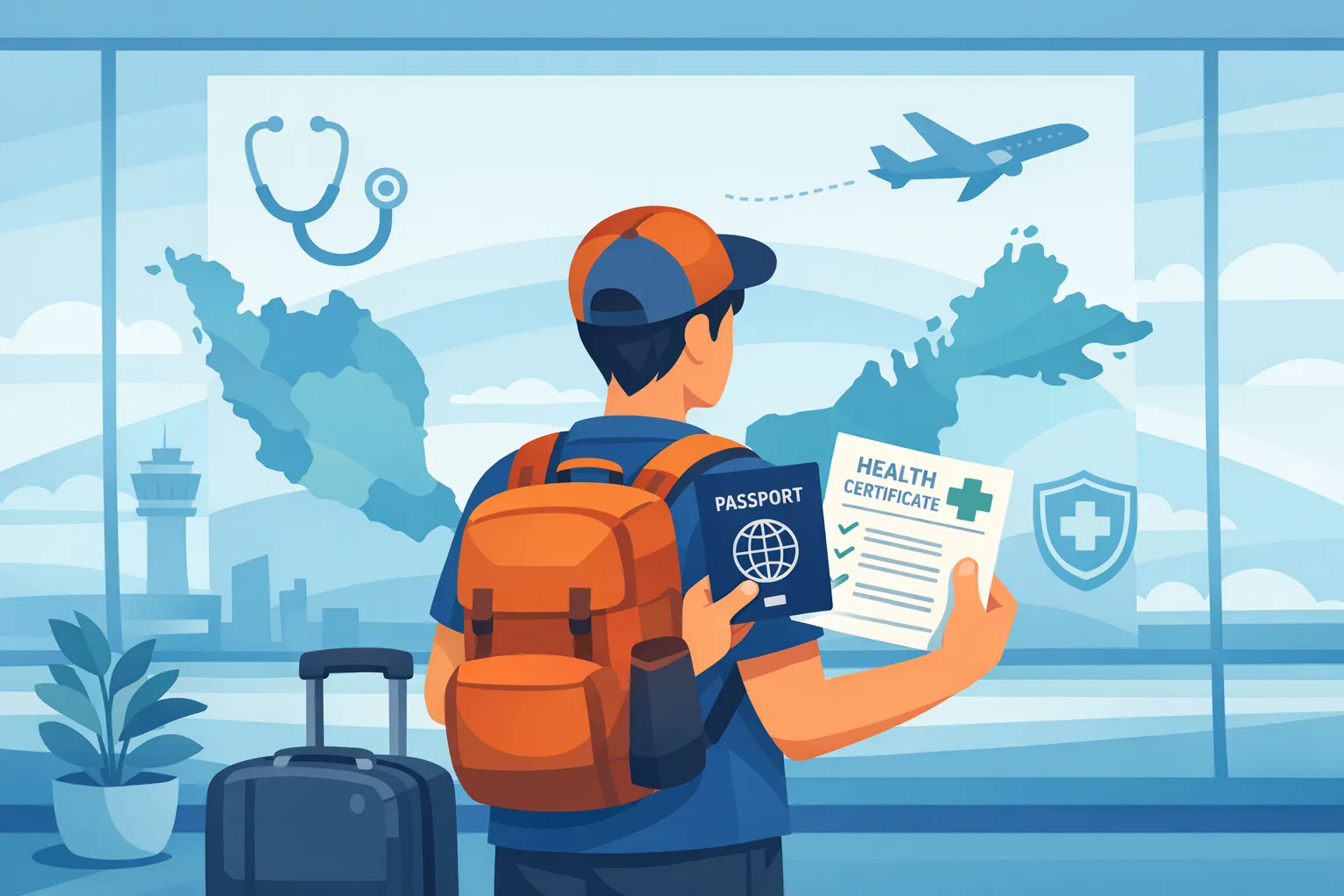
To enter Malaysia, travelers must have a valid passport, a health declaration form, and, depending on recent travel history, proof of COVID-19 vaccination or a negative test result. These requirements ensure the safety and health of all visitors and local communities.
Traveling to Malaysia can be an exciting adventure, but ensuring you have the correct health documents is crucial to a smooth entry process. Many travelers find navigating international health requirements overwhelming, especially with evolving COVID-19 protocols. Understanding what is needed and preparing in advance can help mitigate stress and potential entry issues.
Travelers often encounter confusion regarding which documents are necessary, especially if they have chronic health conditions or have visited countries with different health regulations. Additionally, travelers must consider how these requirements might change due to fluctuating global health scenarios. The World Health Organization (WHO) and the Centers for Disease Control and Prevention (CDC) provide updated information on health advisories and vaccination recommendations that can guide you in preparing your documents.
It's also important to note that while Malaysia's entry requirements are clear, they can change based on global health developments, such as emerging infectious diseases. Staying informed of such changes before your trip can prevent any last-minute surprises and ensure you are well-prepared. By understanding these requirements and staying proactive, you can focus on enjoying your journey to Malaysia with peace of mind.
What travellers with this condition need to know
Understanding Infectious Disease Risks
Travelers to Malaysia must be aware of the potential risks of infectious diseases, particularly those prevalent in tropical climates. Malaysia is known for diseases such as malaria, dengue, and chikungunya, which are transmitted by mosquitoes. Malaria is not a significant risk in urban areas but can be a concern in rural regions and near forested areas. Dengue and chikungunya are more common in urban and suburban areas. To mitigate these risks, travelers should utilize protective measures such as wearing long sleeves, using insect repellent, and sleeping under mosquito nets. Visit the CDC's travel page on Malaysia for more detailed information on disease prevention.
Managing Chronic Conditions in a Tropical Climate
The tropical climate of Malaysia can pose unique challenges for travelers with chronic conditions such as asthma or cardiovascular diseases. High temperatures and humidity may exacerbate symptoms. Asthma sufferers should ensure they have an adequate supply of medication and consider the local air quality, which can be affected by haze from regional fires. Those with cardiovascular conditions should stay hydrated and avoid strenuous activities during peak heat. The CDC provides guidelines on managing health conditions in different climates, which can be a valuable resource for planning your trip.
Navigating Health System Differences
Travelers should be aware that healthcare services in Malaysia can vary between urban and rural areas. While major cities like Kuala Lumpur have excellent healthcare facilities, rural areas may have limited resources. It's crucial to have travel insurance that covers medical evacuation in case of serious illness or injury. Additionally, understanding the local healthcare system and having a plan in place for accessing medication can prevent complications. The International Society of Travel Medicine (ISTM) offers resources that can help travelers prepare for healthcare needs abroad.
For travelers with specific health conditions, it is essential to consult with a healthcare provider before departure to ensure all necessary precautions are taken. They can provide personalized advice and help ensure that your trip to Malaysia is both safe and enjoyable.
Before you travel: a practical checklist
- Research and confirm the current health entry requirements for Malaysia at least four weeks before departure, as they can change based on global health situations. This ensures you have ample time to comply with any new regulations.
- Schedule an appointment with your healthcare provider at least 4-6 weeks before your trip to discuss any vaccinations or medications you may need, such as those for hepatitis A, hepatitis B, or typhoid. These vaccines are recommended based on your travel itinerary and activities in Malaysia. source
- Carry a copy of your vaccination records, including COVID-19 vaccination proof, as they might be required upon entry or during your stay in Malaysia. This documentation is crucial for verifying your immunization status. source
- Prepare a personalized health information card listing your medical conditions, medications, and emergency contact details. This is invaluable for healthcare providers should you need medical attention abroad.
- Check with your travel insurance provider to ensure your policy includes coverage for medical expenses and repatriation specific to Malaysia. Adequate insurance is essential for financial protection against unforeseen health issues.
- Consider registering with your country's embassy or consulate in Malaysia before departure. This facilitates quicker assistance in emergencies like natural disasters or medical crises.
- Consult the CDC's travel health notices to remain updated on any disease outbreaks or health advisories relevant to Malaysia. Awareness of these risks allows for better personal health precautions. source
- Compile a travel health kit with essentials such as insect repellent, hand sanitizer, and any prescription medications you require. This ensures you are prepared for minor health issues and can prevent more serious ones.
- Review local Malaysian health resources and emergency numbers before you travel. Knowing where to seek help can be critical during a medical emergency.
- Monitor your health in the weeks leading up to your trip, and postpone travel if you develop symptoms of infectious diseases. This protects both your health and that of others during travel.
During your trip: managing it abroad
Once you've arrived in Malaysia, effective management of your chronic condition is essential to ensure a safe and enjoyable trip. Here are several practical steps to help you manage your health:
- Medication Management: Keep your medication in its original packaging, clearly labeled with your name and dosage instructions. This can help avoid confusion at customs or with local pharmacists. Always carry a copy of your prescription and, if necessary, a letter from your doctor detailing your medical condition and the medications prescribed.
- Temperature Sensitivity: Many medications require storage within specific temperature ranges. For example, insulin typically needs to be kept between 2-8 degrees Celsius. Consider traveling with a portable cooling case if your medications have similar requirements. Verify the average temperatures and availability of refrigeration in your accommodation in advance.
- Dosing Intervals: Adjust your medication schedule to account for the time zone change. This is crucial for medications that require strict timing, such as those for diabetes or heart conditions. Consult your healthcare provider before your journey for a dosing schedule that suits your travel itinerary.
- Health Monitoring: Regularly monitor your health indicators, like blood pressure or glucose levels, using portable devices. Record these readings in a diary or app daily. If your readings exceed your normal range or any agreed upon thresholds, seek medical attention promptly. The CDC advises immediate consultation with a healthcare professional if you experience symptoms like severe headaches, persistent fever, or unexplained fatigue while traveling.
- Emergency Communication: Learn a simple sentence in Malay or English to communicate your needs in case of an emergency. For example, "I need help with my medication," is crucial. Write this down and keep it accessible.
- Local Healthcare Facilities: Familiarize yourself with nearby hospitals or clinics at your destination. The International Society of Travel Medicine can be a valuable resource for locating reputable healthcare facilities worldwide.
Empower yourself with these strategies to manage your health condition while exploring the vibrant landscapes and cultures of Malaysia. With the right preparation and vigilance, you can fully enjoy your travel experience.
How this changes by destination and situation
| Situation | What Specifically Changes |
|---|---|
| Heat | Malaysia's tropical climate can exacerbate dehydration and heat-related illnesses. Travelers with chronic conditions like cardiovascular disease should take extra precautions to stay hydrated and avoid excessive sun exposure. Carry electrolyte solutions and dress in light, breathable clothing. |
| Altitude | While Malaysia does not have high-altitude destinations, travelers who may transit through such regions should be aware of increased risks of altitude sickness. Conditions like hypertension or respiratory issues may worsen. Consider consulting the CDC for advice on acclimatization. |
| Long-haul Flight | Long flights to Malaysia can increase the risk of deep vein thrombosis (DVT), especially in travelers with circulatory issues. To mitigate this, move around the cabin frequently, perform leg exercises, and consider compression stockings as advised by the WHO. |
| Cruise | Cruise travelers should be prepared for potential outbreaks of infectious diseases, which can spread rapidly in confined spaces. Ensure vaccinations are up-to-date and consult the ISTM for specific cruise-related health advice. |
| Limited Healthcare Infrastructure | Some regions in Malaysia may have limited healthcare facilities. Travelers with chronic conditions should plan ahead by carrying sufficient medication and obtaining travel insurance that covers medical evacuation. The ECDC provides guidance on preparing for such scenarios. |
| Time-zone Shift | Traveling across time zones to reach Malaysia can disrupt medication schedules and exacerbate conditions like diabetes. Gradually adjust your medication timings and ensure you have a plan in place for managing potential jet lag. |
In an emergency: what first responders need to know
In an emergency, time is of the essence. First responders need immediate access to critical health information about travelers with chronic conditions. This information should be clearly documented and easily accessible. It is recommended to keep a medical alert card or a digital health pass with key details in a universally understood format. This card should include:
- Medical Condition: Clearly state any chronic conditions, such as diabetes, asthma, or cardiovascular diseases.
- Medications: List current medications, dosages, and any known allergies.
- Emergency Contacts: Provide contact information for a family member or friend who can communicate in English and is familiar with your condition.
- Primary Healthcare Provider: Include the contact details of your primary care physician or specialist.
In the event of a language barrier, visual symbols or multilingual cards can be particularly useful, as they transcend language differences. Consider using universally recognized medical symbols or having your information translated into Malay, the national language of Malaysia.
For digital documentation, platforms like the International Society of Travel Medicine (ISTM) recommend secure health apps that store your medical history and can be accessed by emergency personnel. These tools often offer multilingual support, which can bridge communication gaps effectively.
Ensuring that first responders have immediate access to your health information can significantly impact the quality of care you receive. By preparing accordingly, you empower those on the front lines to make informed decisions swiftly, safeguarding your health while abroad.
How HealthPass helps
HealthPass provides an organized, secure platform for managing essential health documents required for traveling to Malaysia, saving you time and stress. Through its health records feature, you can store and access your vaccination certificates, including COVID-19 vaccination proof, ensuring you have them ready when needed. This is crucial as Malaysia may require proof of vaccination or a negative test result upon entry.
In addition, HealthPass assists with trip planning by keeping you informed of Malaysia's current health entry requirements. This helps you stay updated on any changes to regulations that might impact your travel plans. Being well-prepared with the right documents reduces the risk of delays or complications at the border.
The destination requirements tool within HealthPass allows you to tailor your preparations according to Malaysia's specific health advisories. This feature helps ensure compliance with local health regulations and recommendations, which may include vaccinations for diseases such as dengue or malaria, as highlighted by the CDC.
In emergencies, the HealthPass emergency card provides first responders with immediate access to critical health information, such as chronic conditions and current medications. This quick access can be vital in receiving timely and appropriate care during your stay in Malaysia.
Start your free HealthPass account — it takes a minute and costs nothing.
Frequently asked questions
Q: What health documents are needed to enter Malaysia?
A: Travelers to Malaysia must complete a health declaration form and may need proof of COVID-19 vaccination or a negative test result. Requirements vary based on recent travel history, so check the WHO or CDC for current guidelines.
Q: Do I need to show proof of vaccination to enter Malaysia?
A: Depending on global health circumstances, Malaysia may require proof of COVID-19 vaccination. Always verify the latest entry requirements on authoritative sources like the CDC before you travel, as regulations can change.
Q: How can I ensure my medication is allowed in Malaysia?
A: Before traveling, consult Malaysia's national health authority or the WHO to confirm that your medications are permitted. Carry a doctor's note and ensure medications are in original packaging to avoid issues at customs.
Q: What should I do if I feel unwell while in Malaysia?
A: Seek immediate medical attention if you feel unwell. Familiarize yourself with local healthcare facilities upon arrival and keep important health documents accessible. The WHO provides resources for locating healthcare services worldwide.
Q: Are there specific diseases I should be aware of when traveling to Malaysia?
A: Malaysia is known for diseases like malaria and dengue. Travelers should take preventive measures such as using insect repellent and wearing protective clothing. For more information, consult the CDC travel health section.
Q: How can I verify the authenticity of my health documents?
A: Use the HealthPass app to securely store and verify the authenticity of your health documents. Ensure all documents are up-to-date and corroborated by official health organizations like the WHO or CDC for your peace of mind.
What this guide does not cover
This guide does not cover health requirements specific to travelers entering Malaysia for long-term stays, such as work assignments or study, which may involve additional vaccinations or medical examinations. For detailed information on these requirements, it is advisable to consult the official Malaysian immigration website or contact the nearest Malaysian embassy or consulate. Additionally, while we provide general guidance on managing chronic conditions while traveling, personalized medical advice should be obtained from your healthcare provider. For comprehensive, up-to-date information on global travel health recommendations, refer to the World Health Organization or the Centers for Disease Control and Prevention.
Keep this checklist, your medications and your documents in one place you can open at a border, a pharmacy or an emergency room.
While this guide provides vital information on health documentation for entering Malaysia, travelers should consult healthcare professionals for personalized advice. Requirements may change, so regularly check authoritative sources such as the WHO or CDC for the latest updates. This guide does not replace professional medical or travel advice.
Keep your medications, allergies and vaccinations with you abroad: a travel medical records app with an emergency card a doctor can read in five languages, or print a free emergency card in their language.