Understanding the Health Documents Required to Enter Argentina
Travel rules change. HealthPass does not update blog posts after they are published, so please check the current requirements before you travel.
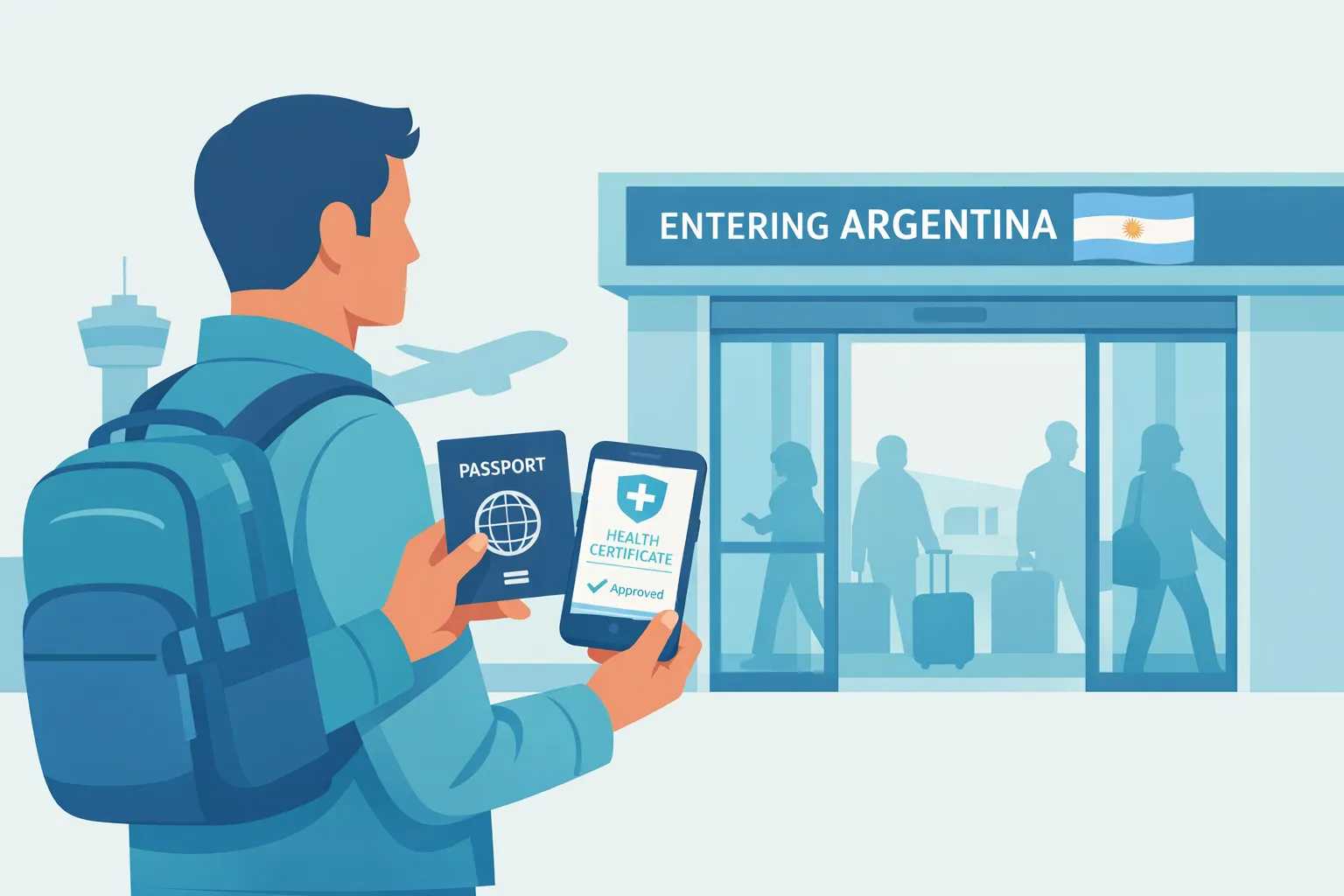
To enter Argentina, international travelers, including those with chronic conditions, are not required to present specific health documents solely for entry purposes. However, having a comprehensive travel health plan is highly recommended. Traveling with a chronic condition can be daunting, especially when navigating foreign health systems and entry requirements. Understanding the necessary health documents and preparing accordingly can alleviate anxiety and ensure a smooth travel experience.
For travelers with chronic conditions, the challenges extend beyond just packing the right clothes or booking accommodations. It involves ensuring that all necessary medications, medical supplies, and documentation are in order. Carrying prescriptions, a detailed health summary from your healthcare provider, and a list of emergency contacts can be crucial. This preparation is not only vital for potential border checks but also for accessing medical care if needed while abroad.
While Argentina itself may not demand specific health documentation at the border, it is essential to consider the broader context of international travel. The World Health Organization (WHO) recommends that all travelers be up-to-date with routine vaccines. Additionally, those with chronic conditions should consider consulting a travel medicine specialist to discuss the need for additional vaccines or preventive measures tailored to their health status. For guidelines and advice on vaccinations, you can refer to the WHO's vaccination page.
What travellers with this condition need to know
Risk of Infectious Diseases
Travelers with chronic conditions should be aware of the increased susceptibility to infectious diseases. Argentina is known for certain endemic conditions, such as dengue fever, which is transmitted by mosquitoes. Individuals with chronic illnesses may experience more severe symptoms or complications if infected. To mitigate this risk, ensure you have up-to-date vaccinations and consider using insect repellent and protective clothing. For further details, consult the CDC's travel health recommendations for Argentina.
Altitude and Respiratory Concerns
Parts of Argentina, particularly the Andean regions, are at high altitudes, which can pose risks to individuals with chronic respiratory conditions. The reduced oxygen levels at high altitudes may exacerbate conditions such as asthma or COPD, leading to symptoms like shortness of breath, fatigue, and increased heart rate. Before traveling, consult your healthcare provider for advice on managing these risks, and consider medications or oxygen supplementation as necessary. For more general information on altitude sickness, refer to resources provided by the CDC.
Access to Medication and Healthcare
Access to necessary medications and healthcare facilities can vary across Argentina. Travelers with chronic conditions should ensure they carry an adequate supply of their medications, as specific brands or formulations may not be readily available. It's advisable to have a detailed list of your medications, including both their generic and brand names, as well as a letter from your healthcare provider outlining your condition and treatment plan. Check with local pharmacies and healthcare facilities beforehand to understand what services are available at your destination. For updated information on healthcare access, consult the WHO.
For more personalized advice, travelers should speak with their healthcare provider and consult reputable sources like the CDC's travel health guidance for Argentina.
Before you travel: a practical checklist
- Consult your healthcare provider at least 4-6 weeks before departure to ensure your chronic condition is well-managed and to discuss any travel-related health risks specific to Argentina.
- Verify that your routine vaccinations are up to date, as recommended by the CDC, to protect against diseases such as measles, mumps, and rubella (MMR) and influenza (CDC).
- Consider getting vaccinated against hepatitis A and hepatitis B, which are recommended for most travelers to Argentina due to the potential for exposure through contaminated food and water (CDC).
- Check the need for yellow fever vaccination, especially if you plan to visit northern regions of Argentina, as the risk varies depending on the areas visited (CDC).
- Ensure you have a sufficient supply of prescription medications for the duration of your trip, plus extra in case of travel delays, and carry them in their original packaging with a copy of your prescription.
- Prepare a travel health kit that includes necessary medical supplies and over-the-counter medications recommended by your healthcare provider to manage your chronic condition.
- Enroll in the Smart Traveler Enrollment Program (STEP) or a similar service offered by your home country to receive important safety updates and make it easier for authorities to assist you in an emergency.
- Research the locations of healthcare facilities in Argentina that can accommodate your specific medical needs, in case you require medical attention during your stay.
- Check with your insurance provider about the coverage of your medical expenses abroad and consider purchasing additional travel health insurance if needed.
- Familiarize yourself with local emergency numbers and procedures in Argentina, so you know how to quickly access help if required.
During your trip: managing it abroad
Traveling with a chronic condition in Argentina requires careful management to ensure your journey is both safe and enjoyable. Here are some practical strategies to help you stay on top of your health while exploring this vibrant country.
- Temperature Control: Argentina experiences diverse climates, so it is crucial to monitor the temperature of any medications that require specific storage conditions. Medications like insulin should be kept within the recommended temperature range, typically between 2°C and 8°C. Use an insulated travel bag with a cold pack to maintain the correct temperature.
- Dosing Intervals: Adjusting to different time zones can affect dosing schedules. Keep a dosing log on your smartphone or in a travel journal to track your medication schedule. Set alarms if necessary to maintain consistent intervals, especially for medications that require strict timing.
- Storage Times: When spending extended periods away from your accommodation, ensure you have a portable way to store your medications safely. Consider a small, lockable case for security.
- Thresholds to Seek Medical Attention: Be aware of symptoms that require immediate medical attention. For example, if you experience a fever above 38.5°C, or if your condition rapidly deteriorates, seek medical help. Familiarize yourself with the local emergency number, 107, to quickly access services.
- Communicating with Healthcare Providers: In case you need to visit a pharmacy or seek medical advice, it's helpful to know key phrases in Spanish. For example, you could say, "Necesito mi medicamento para la diabetes" (I need my diabetes medication). Carry a translated note describing your condition and medications.
- Informing Cabin Crew: If flying domestically within Argentina, inform the cabin crew of your condition and any assistance you might require. A simple statement like, "Tengo una condición médica crónica y puedo necesitar ayuda durante el vuelo" (I have a chronic medical condition and may need assistance during the flight) can be very helpful.
By staying vigilant and prepared, you can enjoy your Argentine adventure with confidence, ensuring that your chronic condition remains well-managed throughout your travels. For further guidance on managing chronic conditions abroad, consult resources from the International Society of Travel Medicine or the World Health Organization.
How this changes by destination and situation
When planning a trip to Argentina, travelers with chronic conditions should consider how different environments and situations may affect their health management strategies. Here’s a guide to help you understand these changes:
| Situation | What Changes |
|---|---|
| Heat | Argentina's climate ranges from tropical in the north to cold in the south. For travelers with conditions sensitive to heat, such as cardiovascular diseases, it's crucial to stay hydrated and avoid excessive sun exposure to prevent heat-related complications. CDC |
| Altitude | Destinations like Mendoza and the Andes Mountains reach significant altitudes. This can exacerbate respiratory conditions and require adjustments in medication or the use of supplemental oxygen. CDC |
| Long-haul flight | Extended periods of immobility can increase the risk of deep vein thrombosis (DVT), especially in travelers with certain chronic conditions. It's important to stay active during the flight and consider wearing compression stockings. CDC |
| Cruise | Cruises around Argentina may offer limited access to healthcare facilities. Travelers should ensure they have adequate medication supplies and insurance coverage that includes medical evacuation if necessary. CDC |
| Limited healthcare infrastructure | Rural areas may have limited medical services, impacting access to necessary treatments or medications for chronic conditions. Planning ahead with a reliable supply of medications and understanding local healthcare options is essential. WHO |
| Time-zone shift | Adjusting to Argentina's time zone may disrupt medication schedules, especially for those on strict regimes. Travelers should gradually shift their medication times to align with local time before departure. CDC |
In an emergency: what first responders need to know
In an emergency, time is of the essence. For travelers with chronic conditions, ensuring that first responders have immediate access to essential health information can make a significant difference in the quality of care provided. Here’s what you need to know:
Essential Information: First responders should be able to quickly identify your chronic condition, any allergies, and current medications. This information should be accessible within thirty seconds of their arrival. Include details like your physician’s contact information and any critical medical devices you use.
Where to Store This Information: Carry a medical information card in your wallet or a visible location on your person. Consider wearing a medical alert bracelet or necklace, which can be immediately recognized by emergency personnel. These should clearly display or indicate where to find more detailed health information.
Digital Access: Utilize apps like HealthPass to store your health documents securely. Ensure the app is accessible from your phone’s lock screen or provide instructions for access in your medical information card.
Language Barrier Considerations: Given the possibility of language barriers in Argentina, it is beneficial to have your medical information translated into Spanish. Include key phrases in Spanish that describe your condition, allergies, and emergency contacts. The World Health Organization provides guidance on standardized health communication that can be helpful in multilingual contexts (WHO).
By preparing this information in advance, you empower first responders to provide appropriate and timely care, ensuring your safety and well-being while traveling in Argentina.
How HealthPass helps
HealthPass offers valuable tools for travelers with chronic conditions venturing to Argentina, ensuring a seamless and well-informed journey. By utilizing HealthPass, you can manage your health records, plan your trip effectively, and stay prepared for any situation.
The HealthPass app allows you to store and access your health records digitally. This feature helps you maintain a comprehensive record of your medical history, medications, and any pertinent information regarding your chronic condition. This can be crucial when consulting healthcare providers in Argentina, ensuring they have all the necessary details at their fingertips.
For trip planning, HealthPass provides updated insights on healthcare facilities and pharmacies in Argentina, empowering you to make informed choices about your travel itinerary. Additionally, the app offers guidance on destination requirements such as recommended vaccinations and health precautions, aligning with guidelines from the World Health Organization (WHO).
In case of emergencies, the emergency card feature in HealthPass allows first responders access to critical health information rapidly. This can be lifesaving, as it ensures that emergency personnel are immediately aware of your condition and can provide appropriate care without delay.
Start your free HealthPass account — it takes a minute and costs nothing.
Frequently asked questions
Q: Do I need a COVID-19 vaccination to enter Argentina?
A: As of the latest updates, Argentina does not require proof of COVID-19 vaccination for entry. However, it's advisable to stay informed about potential changes. The WHO and CDC websites offer the latest travel health information.
Q: What should I do if I run out of medication while in Argentina?
A: If you run out of medication, visit a local pharmacy with your prescription or a note from your doctor. Pharmacies in Argentina are generally well-stocked, but it's wise to bring a sufficient supply of medication to cover your trip duration.
Q: Are there specific health forms I need to fill out before traveling to Argentina?
A: Currently, Argentina does not require travelers to fill out specific health forms before entry. However, having a detailed medical history and a list of medications can assist in managing your chronic condition while abroad.
Q: How can I find a healthcare provider in Argentina if needed?
A: You can locate healthcare providers through the ISTM's directory of travel medicine specialists or by contacting your embassy for assistance. It's recommended to identify a healthcare provider in advance for peace of mind during your trip.
Q: Is travel insurance mandatory for entering Argentina?
A: While not mandatory, comprehensive travel insurance is highly recommended, especially for travelers with chronic conditions. This ensures coverage for potential medical emergencies and is advisable for safe travels. The ISTM suggests verifying your policy's coverage details before departure.
Q: What vaccinations are recommended for travelers to Argentina?
A: Routine vaccinations like measles, mumps, and rubella (MMR) and others are advised. Additional vaccines, such as yellow fever, may be recommended based on your itinerary and health status. Consult with your healthcare provider and refer to the ECDC for up-to-date vaccination guidelines.
What this guide does not cover
This guide does not cover the specific health document requirements related to COVID-19, as these can change rapidly and vary by traveler origin and transit points. For the most current information, travelers are advised to consult the official websites of the World Health Organization (WHO) and the Centers for Disease Control and Prevention (CDC). These resources provide up-to-date guidance on international travel regulations, including any health documentation required for entry into Argentina. For personalized advice, especially concerning chronic conditions, please engage with your healthcare provider or a travel medicine specialist.
Keep this checklist, your medications and your documents in one place you can open at a border, a pharmacy or an emergency room.
This article provides general guidance for travelers with chronic conditions planning to visit Argentina. It is not a substitute for professional medical advice, diagnosis, or treatment. Always seek the advice of your physician or other qualified health provider with any questions you may have regarding a medical condition. For more information, visit the World Health Organization or Centers for Disease Control and Prevention websites.
Keep your medications, allergies and vaccinations with you abroad: a travel medical records app with an emergency card a doctor can read in five languages, or print a free emergency card in their language.