Empowering Tips for Traveling When You Have Anxiety
Travel rules change. HealthPass does not update blog posts after they are published, so please check the current requirements before you travel.
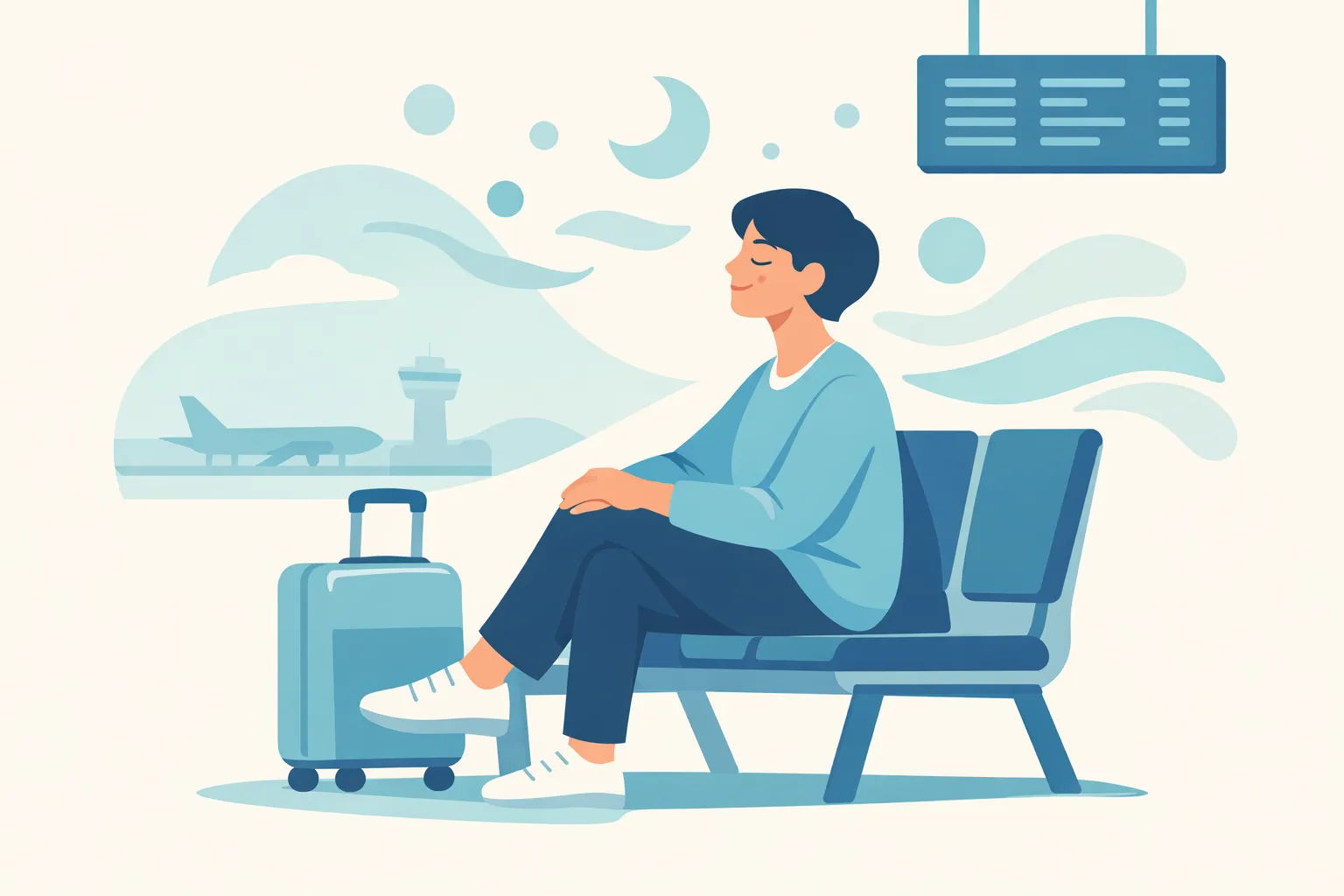
Traveling with anxiety is entirely possible, and with the right strategies, you can confidently enjoy your adventures. Acknowledging and preparing for your anxiety can transform potential stressors into manageable elements of your journey. Many travelers with anxiety face the challenge of leaving their comfort zones, which can trigger symptoms and impact their overall travel experience.
Anxiety can manifest in various ways, such as increased heart rate, difficulty breathing, or overwhelming worry. These symptoms may be exacerbated by unfamiliar environments, changes in routine, or the unpredictability often associated with travel. The World Health Organization notes that anxiety disorders are among the most common mental health conditions worldwide, affecting millions of travelers every year. Therefore, understanding your personal triggers and coping mechanisms is essential for a successful trip.
Furthermore, planning is key to minimizing anxiety while traveling. Whether it's creating a detailed itinerary, ensuring you have access to necessary medications, or arranging accommodations that feel safe and comfortable, these preparations can help reduce uncertainty. According to the Centers for Disease Control and Prevention, having a travel health plan in place is crucial for managing chronic conditions, including anxiety, while abroad (CDC).
In sum, with thoughtful preparation and the right mindset, travelers with anxiety can embark on their journeys with confidence and resilience, turning travel into a source of joy and personal growth.
What travellers with this condition need to know
Understanding the Physiological Response
Anxiety triggers a physiological response often referred to as the "fight or flight" reaction. This is a natural reaction that prepares your body to face a perceived threat. When traveling, unfamiliar environments or disruptions to routine can activate this response. Symptoms may include increased heart rate, rapid breathing, and heightened alertness. Understanding that this is a normal physiological reaction can help in managing it. According to the World Health Organization, recognizing these bodily responses is the first step in managing anxiety effectively.
Heightened Sensitivity to Stressors
Travel can introduce several stressors that might exacerbate anxiety symptoms, such as crowded airports, time zone changes, or language barriers. These stressors can lead to increased feelings of unease or panic. The Centers for Disease Control and Prevention (CDC) emphasize the importance of identifying personal triggers. By recognizing what specific aspects of travel tend to heighten your anxiety, you can develop strategies to mitigate these stressors, such as planning for downtime or practicing relaxation techniques.
Risk of Panic Attacks
For some travelers, anxiety can lead to panic attacks, characterized by sudden and intense fear accompanied by physical symptoms like chest pain or dizziness. The International Society of Travel Medicine (ISTM) recommends being aware of the potential for panic attacks and having a plan in place, such as carrying a list of grounding techniques or having a trusted travel companion. It's important to remember that while these attacks can be frightening, they are not physically harmful and usually pass within minutes.
By understanding these risks and the associated physiological responses, you can better prepare for travel and take proactive steps to manage your anxiety. This knowledge, combined with practical strategies, empowers you to embark on your journeys with confidence and resilience.
Before you travel: a practical checklist
- Consult with a healthcare professional at least six weeks before your trip to discuss your anxiety management plan and ensure your medications are appropriate for travel. This proactive step allows you to address any medical concerns well in advance.
- Research your destination thoroughly to familiarize yourself with the local culture, language, and transportation options. This preparation can significantly reduce anxiety by making the unfamiliar feel more predictable.
- Ensure you have enough medication to last the entire trip, including extra in case of delays. Check any restrictions on bringing medication into your destination country to avoid unnecessary complications.
- Create a detailed itinerary, including flight details, accommodation addresses, and emergency contact numbers. Having a clear plan can help alleviate anxiety by reducing uncertainty and providing a sense of control.
- Practice relaxation techniques such as deep breathing, mindfulness, or meditation regularly in the weeks leading up to your trip. Developing these skills before departure can help you manage anxiety more effectively during stressful travel situations.
- Arrange for travel insurance that covers mental health conditions, ensuring you have access to necessary support and resources if needed. This can provide peace of mind and financial security while traveling.
- Consider booking flights and accommodations that offer flexible cancellation policies. This flexibility can reduce anxiety by providing options in case of unexpected changes to your plans.
- Pack a travel kit with essential items that help you manage anxiety, such as noise-cancelling headphones, a journal, or comforting objects. Having these items readily available can be a soothing reminder of home and help ease stress.
- Inform someone you trust about your travel plans and anxiety management strategies. Knowing that someone is aware of your situation can provide reassurance and support.
- Rehearse potential travel scenarios and your responses to them, which can help desensitize anxiety triggers and build confidence in your ability to handle situations effectively.
During your trip: managing it abroad
Traveling with anxiety requires effective strategies to manage symptoms while enjoying your journey. Being aware of potential triggers and knowing how to quickly address them can enhance your travel experience. Here are some practical tips to help you manage anxiety while abroad:
- Stick to a Routine: Try to maintain a daily routine that mirrors your home schedule, including meal times and bedtime. Consistent sleep patterns are crucial; aim for 7-9 hours of sleep per night to help stabilize your mood.
- Medication Management: If you use medication to manage anxiety, ensure you adhere to the prescribed dosing intervals. Keep your medication in your carry-on bag, as checked luggage can become lost. Remember to carry a copy of your prescription and a note from your doctor that explains your condition and medication needs.
- Mindfulness and Breathing Exercises: Practicing mindfulness can significantly help in calming anxiety. Techniques such as deep breathing exercises can reduce anxiety symptoms in just a few minutes. Try inhaling slowly through your nose for a count of four, holding your breath for four counts, and exhaling through your mouth for four counts.
- Stay Hydrated and Nourished: Dehydration and low blood sugar levels can exacerbate anxiety symptoms. Aim to drink at least 2 liters of water per day and consume regular, balanced meals. Avoid excessive caffeine and alcohol, as these can heighten anxiety.
- Know Your Triggers: Be mindful of specific situations or environments that elevate your anxiety. Whether it’s crowded places or unfamiliar settings, having a plan to address or avoid these can be beneficial. For instance, if crowded areas are a trigger, consider visiting popular attractions during off-peak hours.
- Communication is Key: If you feel an anxiety episode coming on, communicate with those around you. Inform travel companions or staff, such as cabin crew or hotel personnel, about your needs. A simple sentence like, "I have anxiety and may need a few minutes to calm down," can help others understand and assist you.
- Seek Help When Needed: If anxiety becomes overwhelming or if you experience symptoms such as chest pain or shortness of breath, seek medical attention. According to the WHO, early intervention can prevent escalation and ensure safety.
By implementing these strategies, you can effectively manage anxiety symptoms while traveling, allowing you to focus on the joys and discoveries that travel brings.
How this changes by destination and situation
| Situation | What Changes |
|---|---|
| Heat | High temperatures can exacerbate anxiety symptoms by increasing heart rate and dehydration risk. It's vital to stay hydrated and seek air-conditioned environments. The CDC Travelers' Health advises monitoring local weather conditions to prepare appropriately. |
| Altitude | At higher altitudes, reduced oxygen levels can mimic anxiety symptoms, such as shortness of breath and increased heart rate. Acclimatization is key. The CDC destination pages provide specific guidance on preparing for high-altitude destinations. |
| Long-haul flight | Extended periods in confined spaces can heighten anxiety. Practice deep-breathing exercises and move around the cabin periodically. The WHO travel and health guidelines emphasize the importance of staying hydrated and adjusting your sleep schedule to manage anxiety. |
| Cruise | The confined environment and potential for rough seas may trigger anxiety. Familiarize yourself with the ship's layout and sea conditions. The International Society of Travel Medicine provides resources for travelers needing advice on managing health conditions during cruises. |
| Limited healthcare infrastructure | In regions with less developed healthcare systems, access to anxiety medication and support may be limited. Plan ahead by carrying necessary supplies and understanding local health services. The CDC Travelers' Health offers insights on healthcare access globally. |
| Time-zone shift | Jet lag can disrupt sleep and exacerbate anxiety. Gradually adjust your sleep schedule before travel and expose yourself to natural light upon arrival. The ECDC topics A-Z provides tips on managing the impacts of time-zone changes on health. |
In an emergency: what first responders need to know
In an emergency situation, clear and concise communication is crucial for travelers with anxiety. First responders need to quickly understand your condition to provide appropriate care. Here are key points they should know within the first thirty seconds:
- Condition Explanation: State clearly that you have anxiety, and describe any symptoms you may be experiencing, such as panic attacks, which can mimic other emergencies like heart attacks. This helps differentiate your symptoms from other medical conditions.
- Medication Information: Mention any medications you are currently taking for anxiety, including dosage and frequency. This information is vital for medical personnel to avoid contraindications or negative interactions.
- Emergency Contacts: Provide the name and contact information of a person who is familiar with your anxiety and can provide further details if needed.
Consider carrying a medical alert card or wearing a medical ID bracelet or necklace. This physical item should include your anxiety diagnosis, medications, and emergency contact information. It is recommended by the World Health Organization (WHO) to ensure that this information is easily accessible.
If traveling in a country where a language barrier exists, these details should also be translated into the local language. The Centers for Disease Control and Prevention (CDC) suggest using translation apps or carrying a translated document to facilitate communication in emergencies. This proactive approach ensures that first responders can act swiftly and appropriately, minimizing stress and confusion during a critical moment.
By preparing these details in advance, you empower yourself to handle emergencies effectively, allowing first responders to provide the best possible care rapidly and efficiently.
How HealthPass helps
HealthPass offers essential tools to support travelers managing anxiety, ensuring a smoother journey. One key feature is the secure storage of health records. Having instant access to your medical history and prescriptions can ease anxiety about unexpected health issues while abroad. According to the World Health Organization, maintaining access to health records is vital for informed medical decisions (WHO).
The trip planning feature allows you to organize your travel itinerary, including flight details and accommodation bookings, reducing pre-travel stress by keeping all your plans in one place. This can help mitigate anxiety about logistics and potential disruptions, making your journey more predictable and less overwhelming.
HealthPass also provides up-to-date destination requirements, such as entry regulations and health advisories, sourced from reliable authorities like the CDC (CDC). This ensures you're well-prepared for any health-related requirements in your destination, alleviating concerns about compliance and safety.
The emergency card feature is indispensable for travelers with anxiety. It offers first responders critical information about your condition, ensuring they can provide appropriate care quickly. This can significantly reduce anxiety about receiving proper medical attention in an emergency situation.
Start your free HealthPass account — it takes a minute and costs nothing.
Frequently asked questions
Q: Can I travel alone if I have anxiety?
A: Yes, many people with anxiety successfully travel alone by planning carefully. It's essential to have coping strategies in place, such as knowing how to access support networks and using relaxation techniques. The CDC offers guidance on managing stress and anxiety, which can be beneficial during solo travels. cdc.gov
Q: How can I manage anxiety during a long flight?
A: Managing anxiety on a long flight involves preparation and in-flight strategies. Consider using noise-canceling headphones, practicing deep breathing, and downloading calming apps. The ISTM suggests staying hydrated and moving around to minimize discomfort and anxiety. istm.org
Q: Are there any destinations that are better for people with anxiety?
A: Destinations with low stress levels, like locations known for their tranquility or natural beauty, may be beneficial. However, the best destination varies by individual preference. Researching and choosing places with supportive environments can enhance your travel experience. Consider your personal triggers and preferences when choosing a destination.
Q: What should I pack for managing anxiety while traveling?
A: Pack essential items like any prescribed medications, comfort items, and resources for relaxation such as books or music. The WHO suggests maintaining a travel health kit tailored to your needs, which can include stress-relief items. who.int
Q: How can I communicate my anxiety to travel companions?
A: Open communication with travel companions is vital. Explain your triggers and coping strategies beforehand to ensure understanding and support. Being clear about your needs can help reduce anxiety in unfamiliar settings. Encourage companions to ask questions and express any concerns they may have.
Q: What if I have a panic attack while traveling?
A: If you experience a panic attack, focus on grounding techniques like deep breathing and mindfulness. Seek a calm, safe environment to regain control. The ECDC advises carrying an emergency plan or contact information for immediate support when traveling. ecdc.europa.eu
What this guide does not cover
This guide offers a comprehensive look at traveling with anxiety, but it does not replace personalized medical advice. Each individual's experience with anxiety is unique, and what works for one person may not be suitable for another. For specific medical advice tailored to your condition, please consult a healthcare professional. They can provide personalized strategies and adjustments to your treatment plan that align with your travel plans. Additionally, while we cover general emergency protocols, it is crucial to familiarize yourself with local emergency services at your destination. For authoritative travel health information, visit the CDC and WHO websites.
Keep this checklist, your medications and your documents in one place you can open at a border, a pharmacy or an emergency room.
While this article provides general guidance on traveling with anxiety, it is not a substitute for professional medical advice. Consult a healthcare provider for personalized recommendations. For additional information, refer to the World Health Organization or Centers for Disease Control and Prevention for reliable health resources.
Keep your medications, allergies and vaccinations with you abroad: a travel medical records app with an emergency card a doctor can read in five languages, or print a free emergency card in their language.