How a QR Code Medical ID Can Assist First Responders in Emergencies
Travel rules change. HealthPass does not update blog posts after they are published, so please check the current requirements before you travel.
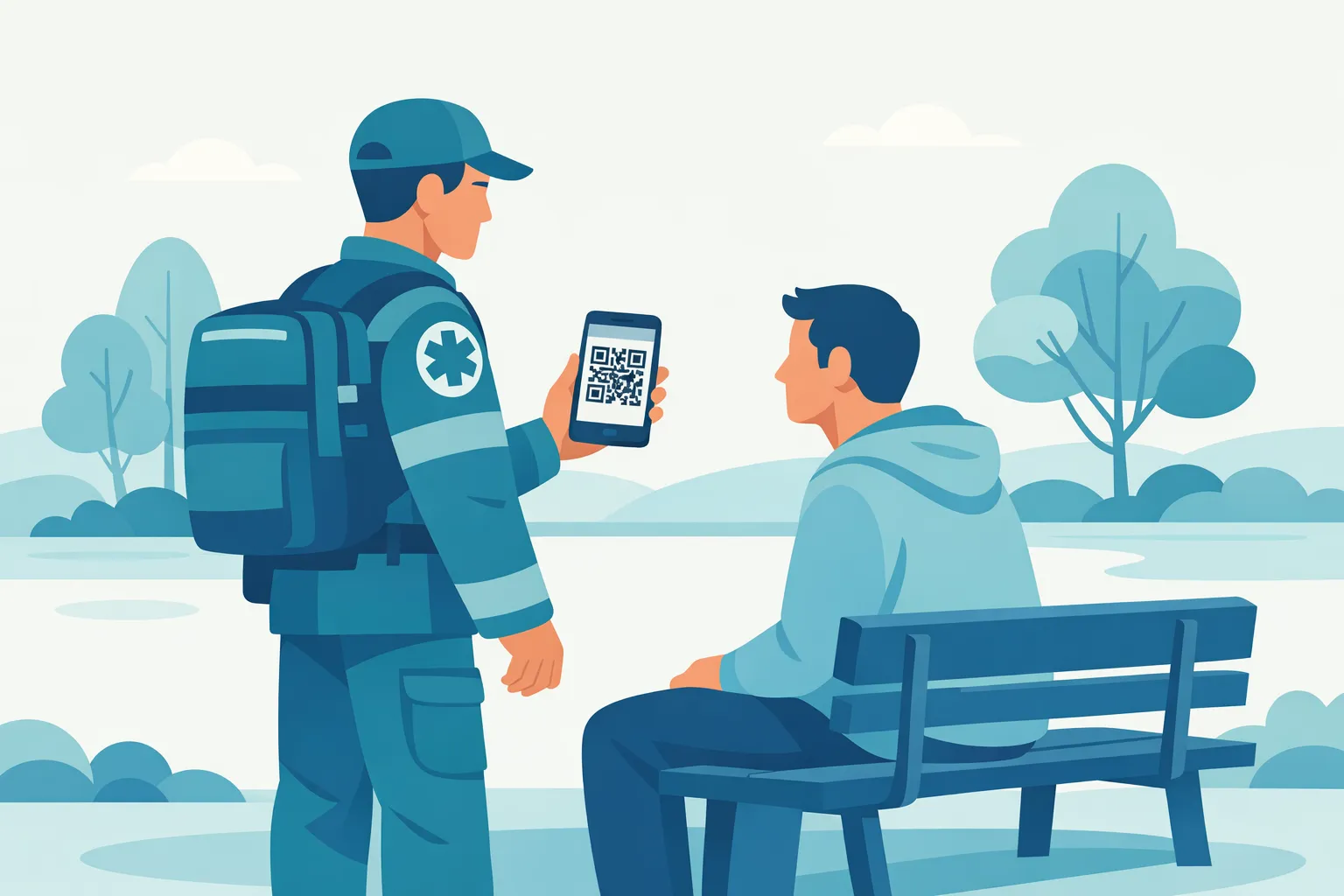
A QR code medical ID can provide immediate access to critical health information for first responders during emergencies, potentially saving lives. Travelers with chronic conditions often face unique challenges, especially in unfamiliar environments where language barriers and cultural differences can complicate communication. Having a QR code medical ID is an empowering tool that ensures your essential medical data is readily available in case of an emergency.
Traveling with a chronic condition can be daunting. You might worry about how to communicate your medical needs in a foreign language or how to ensure that local medical personnel understand your specific health requirements. These concerns are valid and shared by many travelers who manage ongoing health issues. Traditional medical IDs might not contain all the necessary information or may be difficult to update regularly with new medical data.
Enter the QR code medical ID—a modern solution designed to address these very concerns. By scanning a QR code on a bracelet or card, first responders can instantly access a secure digital profile that includes up-to-date medical information like allergies, medications, and emergency contacts. This can be crucial for guiding initial medical treatment and ensuring that healthcare providers understand your specific needs. According to the CDC, having clear, accessible medical information can significantly improve outcomes in emergency situations.
What travellers with this condition need to know
Risk of Medical Miscommunication
For travelers with chronic conditions, one significant risk is medical miscommunication. Language barriers can complicate interactions with healthcare providers, potentially leading to incorrect treatment. According to the World Health Organization (WHO), clear communication is essential in delivering effective healthcare. This is particularly critical in emergencies where time is of the essence. A QR code medical ID can instantly translate medical information into the local language, reducing the risk of misunderstandings.
Medication Conflicts and Allergies
Another risk is the potential for medication conflicts and allergic reactions. When traveling, there may be differences in available medications and formulations, which can lead to inadvertent conflicts with existing prescriptions. The Centers for Disease Control and Prevention (CDC) emphasizes the importance of maintaining an accurate and up-to-date list of medications and allergies. A QR code medical ID can store this vital information, allowing first responders to quickly assess and avoid administering contraindicated medications or those that could trigger an allergic reaction.
Complications from Environmental Changes
Environmental changes, such as altitude, temperature, and humidity, can exacerbate chronic conditions. For instance, high altitudes can affect those with respiratory or cardiovascular conditions, as noted by the International Society of Travel Medicine (ISTM). A QR code medical ID can include specific notes on how environmental factors might impact the traveler's health, providing first responders with quick insights into potential complications. This information is crucial when traveling to regions with extreme climates or altitudes.
By understanding these risks, travelers with chronic conditions can better prepare for their journeys. A QR code medical ID serves as a powerful tool, offering peace of mind that in an emergency, responders will have access to the critical health information needed to provide appropriate care. This proactive measure supports safer travel experiences and empowers individuals to explore the world with confidence, knowing they are equipped to manage their health effectively, no matter where they are.
Before you travel: a practical checklist
- Begin by setting up your QR code medical ID at least four weeks before departure. This allows ample time to ensure all your medical details, such as conditions, medications, and emergency contacts, are accurately listed and accessible.
- Schedule a consultation with your healthcare provider three to four weeks in advance. Discuss your travel plans and confirm that your health information is up to date on your QR code medical ID. This proactive step ensures that your ID reflects any recent changes in your condition or treatment.
- Verify that your QR code medical ID is easily scannable by various devices. Conduct a test scan with a friend or family member to ensure it functions correctly, providing instant access to your vital health information.
- Update your QR code medical ID with translations of your medical information in the language of your destination country. This step helps bridge language barriers and ensures accurate communication with healthcare providers abroad.
- Inform your travel companions about your QR code medical ID and how to use it in case of an emergency. This knowledge empowers them to assist you effectively if needed.
- Print a physical copy of your QR code medical ID to carry with you. Technology can fail, so having a backup ensures that your health information is always accessible, even without electronic devices.
- Check the compatibility of your QR code with international healthcare systems. Ensure it is recognized and used in your destination country for seamless integration into their emergency response protocols.
- Pack extra medications and necessary medical supplies to cover your entire trip duration, plus an additional week's supply in case of unexpected delays. Having these ready ensures continuity of care.
- Review your health insurance policy to confirm coverage overseas, including emergency medical evacuation if required. This precaution provides peace of mind and financial protection.
- Familiarize yourself with the local emergency numbers at your destination and add them to your mobile contacts. Quick access to these numbers is crucial in an emergency.
During your trip: managing it abroad
Traveling with a chronic condition requires careful planning and constant management, but with the right strategies, you can minimize risks and enjoy your journey. Here are some essential tactics for managing your chronic condition while abroad:
- Maintain Medication Schedule: Adhering to your medication schedule is crucial, even when crossing time zones. Adjust your dosing intervals accordingly to maintain therapeutic levels. For instance, if you're taking medication every 8 hours, ensure that this routine continues uninterrupted. Consult your healthcare provider for specific advice tailored to your medication regimen.
- Temperature Management: Many medications must be stored within a specific temperature range. Use portable coolers or insulated bags to keep medications stable, especially if the ambient temperature exceeds 25°C (77°F). If refrigeration is necessary, request access from your accommodation or cabin crew on flights.
- Emergency Thresholds: Know the specific symptoms or readings that indicate the need for medical attention. For example, if your blood glucose levels exceed 300 mg/dL or if you experience persistent chest pain, seek medical help immediately. The CDC offers guidelines for managing chronic conditions, which can be especially useful when abroad.
- Communicating with Pharmacists: In countries where English is not widely spoken, having a QR code medical ID can serve as a universal translator. If you need assistance from a pharmacist, you can say, "Please scan this QR code for my medical information." This will provide them with vital information without the risk of miscommunication.
- Health Facilities Research: Familiarize yourself with local healthcare facilities. Identify hospitals or clinics that cater to international patients, which often provide services in multiple languages.
- Leverage Local Resources: Use translation apps to bridge any language gaps. Setting up key phrases related to your condition in the local language can expedite communication in urgent situations.
These measures ensure you can manage your health effectively, reducing the stress of travel and allowing you to focus on enjoying your destination. Remember, your QR code medical ID is an invaluable tool—make sure it's always accessible and up-to-date.
How this changes by destination and situation
| Situation | What Specifically Changes |
|---|---|
| Heat | High temperatures can exacerbate certain chronic conditions, such as cardiovascular diseases or diabetes. Ensure your QR code medical ID includes information about your condition and any heat-sensitive medications. This helps first responders provide appropriate care if you experience heat-related issues. |
| Altitude | Traveling to high-altitude destinations affects oxygen levels, which can impact respiratory and cardiovascular conditions. A QR code medical ID can alert first responders to any altitudinal sensitivities, ensuring you receive oxygen therapy or other necessary interventions promptly. |
| Long-haul flight | Extended periods of immobility can increase the risk of deep vein thrombosis (DVT), particularly for travelers with certain chronic conditions. With a QR code medical ID, flight crew and emergency personnel can quickly access your health information to provide necessary preventive measures, such as recommending movement exercises or administering anticoagulants if needed. |
| Cruise | On a cruise, medical facilities may be limited compared to a traditional hospital. A QR code medical ID ensures that onboard medical staff can swiftly access your medical history and current medications, facilitating timely and appropriate care during emergencies. |
| Limited healthcare infrastructure | In regions with restricted healthcare resources, a QR code medical ID can bridge the gap by providing comprehensive, easily accessible medical data. This reduces the risk of delays or errors in treatment when local healthcare providers might not have access to advanced diagnostic tools. |
| Time-zone shift | Adjusting to new time zones can disrupt medication schedules and impact conditions like epilepsy or diabetes. A QR code medical ID can help communicate your typical medication regimen and highlight any necessary adjustments, aiding emergency personnel in managing your condition effectively. |
In an emergency: what first responders need to know
In the critical moments of an emergency, every second counts. For travelers with chronic conditions, a QR code medical ID can be a lifeline. It provides first responders with immediate access to essential medical information. Within the first thirty seconds, responders need to know the traveler's primary chronic condition, current medications, any allergies, and emergency contacts. This core information enables them to make informed decisions quickly, reducing the risk of adverse reactions and ensuring appropriate care is administered.
The QR code should ideally be on a conspicuous item such as a bracelet, necklace, or keychain, making it easy for responders to scan it quickly. When first responders are dealing with a language barrier, the QR code medical ID becomes even more crucial. It can link to a digital profile that offers translations of essential medical details, breaking down communication hurdles and minimizing the risk of misinterpretation. According to the World Health Organization, clear communication is vital in medical emergencies to prevent errors and ensure patient safety.
Moreover, the digital profile linked to the QR code can be updated with the latest medical data, providing a reliable source of truth in evolving health situations. It's important that travelers ensure the QR code links to a secure, up-to-date personal health record, which is accessible across various devices and platforms. This approach aligns with CDC guidelines on maintaining an accurate and comprehensive health record while traveling.
By equipping themselves with a QR code medical ID, travelers empower first responders with the critical knowledge they need to act swiftly and effectively, regardless of the location or language barriers they may encounter.
How HealthPass helps
HealthPass offers a comprehensive suite of tools designed to empower travelers with chronic conditions by addressing key aspects of their journey, from planning to emergencies. With HealthPass, travelers can maintain a detailed set of health records that are accessible via a QR code. This feature ensures that vital information, such as medical history, medication lists, and allergy details, are readily available to first responders, minimizing the risk of medical miscommunication and ensuring appropriate treatment.
Additionally, HealthPass supports trip planning by providing destination-specific health advisories and requirements. This helps travelers prepare for any necessary vaccinations or health precautions, ensuring compliance with local health regulations as advised by organizations like the World Health Organization (WHO) and Centers for Disease Control and Prevention (CDC).
In the event of an emergency, HealthPass’s emergency card feature allows users to display critical health information instantly. This ensures first responders have immediate access to essential data, potentially expediting treatment and improving outcomes. By having this information at their fingertips, travelers can focus on enjoying their journey, knowing they are prepared for any eventuality.
Create your emergency card — it takes a minute and costs nothing.
Frequently asked questions
Q: How does a QR code medical ID work?
A: A QR code medical ID stores your essential health information digitally. When first responders scan the QR code, they gain immediate access to your medical history, medications, allergies, and emergency contacts. This facilitates rapid and informed decision-making in emergency situations. Learn more from the WHO.
Q: Are QR code medical IDs secure?
A: Yes, QR code medical IDs are designed with security in mind. They typically use encryption and secure servers to protect your personal health information. It's important to choose a reputable provider that complies with international data protection standards, such as those recommended by the CDC.
Q: Can I update my QR code medical ID after it's created?
A: Yes, most QR code medical ID platforms allow you to update your information as needed. This is crucial for travelers with chronic conditions, as treatment plans and medications can change. Check with your provider for specific instructions on how to make updates. The ECDC offers additional guidance on maintaining medical records.
Q: What if first responders don’t have a QR code scanner?
A: Many smartphones have built-in QR code scanning capabilities, making it likely that first responders can access your information. However, it's advisable to carry a backup physical medical ID or a card with key health information, as suggested by the ISTM.
Q: Do I need internet access to use a QR code medical ID?
A: Typically, first responders need internet access to retrieve your information from a QR code medical ID. Some platforms may offer offline solutions, but it's best to verify this with your provider. Reliable internet access is often available in medical facilities worldwide. For more details, visit the WHO website.
Q: Are QR code medical IDs recognized internationally?
A: While QR code medical IDs are gaining recognition, acceptance varies by country and healthcare system. It's crucial to research the medical ID practices in your destination country. Partnering with a globally recognized provider can enhance the likelihood of your ID being accepted. The ECDC provides resources for international travelers.
What this guide does not cover
This guide does not cover personalized medical advice or specific medical conditions that may require specialized attention. While a QR code medical ID is a valuable tool for quickly conveying health information, it cannot replace the expertise of your healthcare provider. For a tailored assessment of how your chronic condition might affect your travel plans, consult with your healthcare professional. They can provide specific guidance on managing your condition abroad, including necessary adjustments to your treatment plan. You can also refer to resources from the CDC or WHO for general health advice on traveling with chronic conditions.
If something happens abroad, the people treating you need your conditions, medications and allergies in seconds — in a language they read.
While a QR code medical ID can significantly improve emergency care for travelers with chronic conditions, it is not a substitute for professional medical advice or treatment. Always consult your healthcare provider for personalized guidance before traveling. For more information, refer to the World Health Organization or the Centers for Disease Control and Prevention.
Keep your medications, allergies and vaccinations with you abroad: a travel medical records app with an emergency card a doctor can read in five languages, or print a free emergency card in their language.