Essential Health Documents Needed for Entering Sri Lanka
Travel rules change. HealthPass does not update blog posts after they are published, so please check the current requirements before you travel.
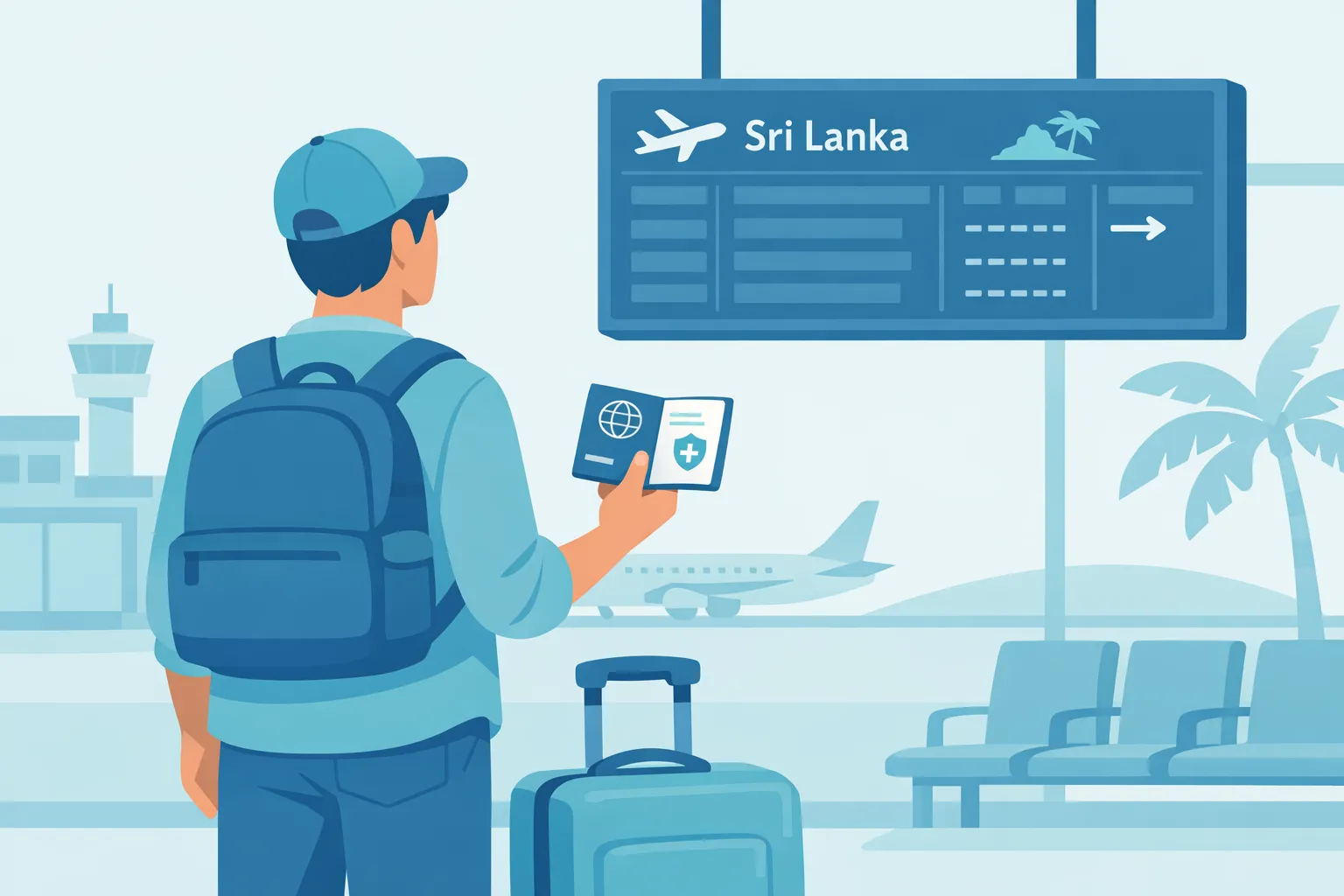
Travelers entering Sri Lanka must carry a completed Health Declaration Form, a valid visa, and a negative COVID-19 PCR test result taken within 72 hours before departure. Travelers with chronic conditions should also have comprehensive medical documentation.
Traveling with a chronic condition can be daunting, especially when entering a country with specific health requirements. Sri Lanka, known for its stunning landscapes and rich cultural heritage, warmly welcomes international visitors. However, ensuring you have the right health documents is crucial for a stress-free entry. Understanding the necessary paperwork and preparing in advance can help you focus on enjoying your trip rather than worrying about administrative hurdles at the border.
For travelers with chronic conditions, having detailed medical documentation is essential. This includes a letter from your healthcare provider detailing your condition, prescribed medications, and any necessary medical devices. Keep copies of your prescriptions and ensure they are clearly labeled with both generic and brand names. Additionally, consider carrying a translated version of your medical documents if they are not in English, as this can facilitate communication with local healthcare providers if needed.
Staying informed about Sri Lanka’s entry requirements will empower you to travel with confidence. Regularly check official sources like the World Health Organization (WHO) and the Centers for Disease Control and Prevention (CDC) for the latest travel advisories and health information. Visit WHO and CDC for reliable updates.
What travellers with this condition need to know
Risk of Infection
Travelers with chronic conditions, such as diabetes or heart disease, face an increased risk of infections when visiting Sri Lanka. The country's tropical climate can facilitate the spread of infectious diseases like dengue fever and hepatitis A. Individuals with weakened immune systems should exercise additional precautions. These diseases are primarily transmitted through mosquito bites or contaminated food and water. It is crucial to consult with your healthcare provider about necessary vaccinations and preventive measures before your trip. For more information about health risks and preventive advice, visit the CDC travel page for Sri Lanka.
Cardiovascular Stress and Dehydration
The hot and humid climate of Sri Lanka can pose a challenge for travelers with cardiovascular and respiratory conditions. High temperatures can exacerbate symptoms, increasing the likelihood of dehydration and heat-related illnesses. It is essential to stay hydrated and avoid strenuous activities during peak heat hours. If you have a heart condition or respiratory issues, you should work closely with your doctor to adjust your medication or treatment plan before traveling. Always carry a sufficient supply of your medications, along with a detailed prescription, to manage your condition effectively while abroad.
Access to Medical Care
While Sri Lanka has healthcare facilities in urban areas, access to specialized treatment may be limited in more rural regions. Travelers with chronic conditions should prepare for this by ensuring they have a comprehensive health insurance plan that covers international care, including potential medical evacuation. It is also advisable to carry a detailed medical history, including any allergies and current medications, in case of an emergency. For more guidance on preparing your medical documentation, refer to the guidelines provided by international health organizations such as the International Society of Travel Medicine (ISTM).
For specific health recommendations related to your chronic condition, always consult your healthcare provider and review the latest travel advisories and health updates from reliable sources like the World Health Organization (WHO) and the Centers for Disease Control and Prevention (CDC).
Before you travel: a practical checklist
- Consult your healthcare provider at least 4 to 6 weeks before your trip to ensure your chronic condition is stable and to discuss any travel-specific health risks.
- Obtain a letter from your doctor detailing your chronic condition, current treatments, and any medications you are taking. This document is crucial if you need to seek medical care in Sri Lanka.
- Ensure that all your vaccinations are up to date, including those for hepatitis A and typhoid, which are recommended for travelers to Sri Lanka. Verify these recommendations with the CDC.
- Purchase comprehensive travel health insurance that covers pre-existing conditions and medical evacuation, as healthcare facilities in Sri Lanka may require upfront payment.
- Prepare a travel health kit that includes not only your routine medications but also supplies for managing your condition, such as glucose monitoring equipment for diabetics or inhalers for asthmatics.
- Check the expiration dates on all medications and refill prescriptions as necessary to ensure you have an adequate supply for the duration of your stay, plus extra in case of travel delays.
- Review the entry requirements for Sri Lanka, including the Health Declaration Form and visa requirements, to avoid any last-minute complications at the border.
- Familiarize yourself with the climate and terrain of Sri Lanka, as extreme weather conditions can exacerbate certain chronic conditions. Prepare any necessary accommodations.
- Identify local resources, such as hospitals or clinics near your planned destinations in Sri Lanka, where you can receive care if needed.
- Inform your travel companions about your chronic condition and how they can assist you in an emergency, ensuring they know where you keep your health documents and emergency contacts.
During your trip: managing it abroad
Managing a chronic condition while traveling in Sri Lanka requires careful planning and vigilance. Here are practical strategies to ensure your health remains stable during your trip:
- Medication Management: Ensure you have enough medication to last your entire stay, plus an extra supply for at least 7 days in case of delays. Store medications at the recommended temperature; many require storage below 25°C (77°F). If your medications require refrigeration, confirm your accommodations have a refrigerator or portable cooler available. Keep a copy of your prescriptions in English, including the generic names, in case you need to refill them locally.
- Hydration and Diet: The tropical climate can increase your risk of dehydration. Aim to drink at least 2.5 liters of safe bottled water daily, more if engaging in physical activities. Be cautious with street food due to the risk of foodborne illnesses. Select freshly cooked foods and avoid raw or undercooked dishes.
- Monitoring Your Condition: Keep a detailed log of your symptoms and medication schedule. For conditions like diabetes, regularly check your blood sugar levels. If you experience symptoms that exceed your usual thresholds, such as blood sugar levels consistently above 250 mg/dL or below 70 mg/dL, seek medical assistance promptly.
- Accessing Local Healthcare: Familiarize yourself with local healthcare facilities. Carry the contact information of the nearest hospital or clinic. Learn basic phrases in Sinhala or Tamil to communicate your needs, but don’t hesitate to ask for help from English-speaking locals if necessary. A useful phrase for the pharmacy: "I need assistance with my medication; it's for [condition]."
- Emergency Preparedness: Identify signs that require immediate medical attention, such as severe chest pain, shortness of breath, or sudden dizziness. In such cases, contact emergency services by dialing 1990 for an ambulance.
By adhering to these guidelines, you can confidently manage your chronic condition while enjoying the rich cultural experiences Sri Lanka has to offer. For more detailed advice, consult resources from the World Health Organization and the Centers for Disease Control and Prevention.
How this changes by destination and situation
| Situation | What Specifically Changes |
|---|---|
| Heat | Travelers with chronic conditions such as cardiovascular diseases need to be cautious in Sri Lanka's tropical climate. High temperatures can exacerbate symptoms by increasing heart rate and causing dehydration. It is crucial to stay hydrated and avoid direct sunlight during peak hours. The WHO advises monitoring symptoms closely in hot climates. |
| Altitude | Sri Lanka has some high-altitude areas, such as Nuwara Eliya, where travelers may experience altitude-related symptoms like shortness of breath. Those with respiratory conditions should take extra precautions, including carrying supplemental oxygen if necessary, as recommended by the CDC. |
| Long-haul Flight | For travelers with chronic conditions, long-haul flights can pose risks such as deep vein thrombosis (DVT). It is important to move around regularly during the flight and follow any medical advice specific to your condition. The ISTM provides guidelines on managing health risks during air travel. |
| Cruise | Although not a common entry method to Sri Lanka, cruises can still be a mode of travel. Travelers with chronic conditions should be aware of limited medical facilities on board and plan accordingly. Having all necessary medications and a clear emergency plan is advisable, as per CDC guidelines. |
| Limited Healthcare Infrastructure | In rural areas of Sri Lanka, healthcare facilities might be limited. Travelers with chronic conditions should have a comprehensive health plan, including access to telehealth services and a list of nearby facilities in case of need. The WHO suggests knowing the healthcare landscape of your destination. |
| Time-zone Shift | Adjusting to Sri Lanka's time zone may affect medication schedules for travelers with chronic conditions. It's vital to consult your healthcare provider to adjust your medication timetable accordingly, ensuring consistent management of your condition, as advised by the CDC. |
In an emergency: what first responders need to know
In the event of a medical emergency, it is crucial for first responders in Sri Lanka to quickly understand the key aspects of your chronic condition. This information should be readily accessible and clearly communicated to ensure timely and effective treatment.
Key Information: Within the first thirty seconds, responders should know your primary chronic condition, any immediate threats to your health (such as allergies or risk of low blood sugar), and current medications you are taking. Additionally, include contact information for your primary healthcare provider or a family member who can provide further medical history if needed.
This essential information should be available in multiple formats. Consider wearing a medical alert bracelet or necklace that highlights your condition and any critical allergies. Additionally, carry a concise, translated health summary in your travel documents. This document should include your diagnosis, medication list, emergency contacts, and any specific instructions unique to your health needs.
Overcoming Language Barriers: Language differences can complicate emergency care. Therefore, it is advisable to have your health summary translated into Sinhala or Tamil, the official languages of Sri Lanka, as well as English. This translation can significantly enhance communication with local medical personnel and ensure that your needs are understood and addressed promptly.
For comprehensive guidelines on preparing for emergencies while traveling, refer to resources provided by the World Health Organization and the Centers for Disease Control and Prevention. These organizations offer valuable insights into managing chronic conditions abroad and preparing for potential emergencies.
How HealthPass helps
HealthPass offers a suite of capabilities designed to assist travelers with chronic conditions as they prepare for and embark on their journey to Sri Lanka. One primary feature is the digital health records storage. This allows you to securely upload and access your comprehensive medical documentation, including physician letters and medication lists, ensuring you have critical information readily available for border officials or healthcare providers.
Another essential tool is the trip planning feature. It compiles and updates destination-specific health requirements such as necessary vaccinations and health declarations, saving you from the stress of last-minute surprises at the border. According to the World Health Organization, staying informed about destination health guidelines is crucial for travelers with chronic conditions.
In case of an emergency, the emergency card feature provides first responders in Sri Lanka with immediate access to your medical condition details. This ensures that you receive timely and effective care, as emphasized by the Centers for Disease Control and Prevention.
Lastly, HealthPass keeps you updated on destination requirements, ensuring compliance with the latest health entry protocols, including COVID-19 testing mandates. This capability minimizes the risk of non-compliance and facilitates smoother entry into Sri Lanka.
Create your emergency card — it takes a minute and costs nothing.
Frequently asked questions
Q: Do I need vaccinations to enter Sri Lanka?
A: While no specific vaccinations are mandatory for entering Sri Lanka, the WHO recommends vaccines for hepatitis A, hepatitis B, typhoid, and rabies for some travelers. Consult with your healthcare provider to tailor your vaccination needs based on your chronic condition and travel itinerary.
Q: Can I bring my medication into Sri Lanka?
A: Yes, you can bring personal medication into Sri Lanka, but it is advisable to carry a doctor's letter detailing your prescriptions. For controlled substances, additional documentation may be required. Check with the Sri Lankan Embassy for specific regulations before traveling.
Q: What should I do if I run out of medication in Sri Lanka?
A: If you run out of medication in Sri Lanka, visit a local pharmacy or hospital with your prescription details. It may be useful to have your medication's generic name handy, as brand names may differ. Always consult a healthcare provider before starting a new supply.
Q: Is travel insurance necessary for visiting Sri Lanka?
A: Travel insurance is highly recommended when visiting Sri Lanka, especially for travelers with chronic conditions. It covers unforeseen medical emergencies and potential treatment costs. Ensure your policy includes coverage for your specific chronic condition and activities planned during your trip.
Q: Are there any specific health precautions for travelers with diabetes visiting Sri Lanka?
A: Travelers with diabetes should monitor their blood sugar levels closely due to dietary changes and potential heat exposure in Sri Lanka. Carry enough supplies to manage your condition, and stay hydrated. Consult with your healthcare provider for personalized advice before your trip.
Q: What health facilities are available for chronic conditions in Sri Lanka?
A: Sri Lanka has both public and private healthcare facilities. Major cities like Colombo offer comprehensive medical services, including specialists for chronic conditions. However, facilities may be limited in rural areas. It is advisable to research healthcare options near your travel destinations.
What this guide does not cover
This guide does not cover the specifics of obtaining and carrying prescriptions for controlled medications, which can vary significantly by country. Sri Lanka has its own regulations regarding the importation and possession of such medications, which may require additional documentation or permits. Travelers with chronic conditions who require controlled substances should contact the Sri Lankan embassy or consulate for guidance on the necessary procedures and documentation. For comprehensive advice on managing your health conditions abroad, consult the International Society of Travel Medicine (ISTM) or your healthcare provider to ensure your travel plans are medically sound and compliant with local laws.
If something happens abroad, the people treating you need your conditions, medications and allergies in seconds — in a language they read.
Travelers with chronic conditions should be aware that while this guide provides comprehensive advice on preparing health documents for Sri Lanka, it is crucial to continuously monitor official guidance from authoritative sources like the World Health Organization or Centers for Disease Control and Prevention for the latest updates and recommendations.
Keep your medications, allergies and vaccinations with you abroad: a travel medical records app with an emergency card a doctor can read in five languages, or print a free emergency card in their language.