Essential Health Documents You Need to Enter South Korea
Travel rules change. HealthPass does not update blog posts after they are published, so please check the current requirements before you travel.
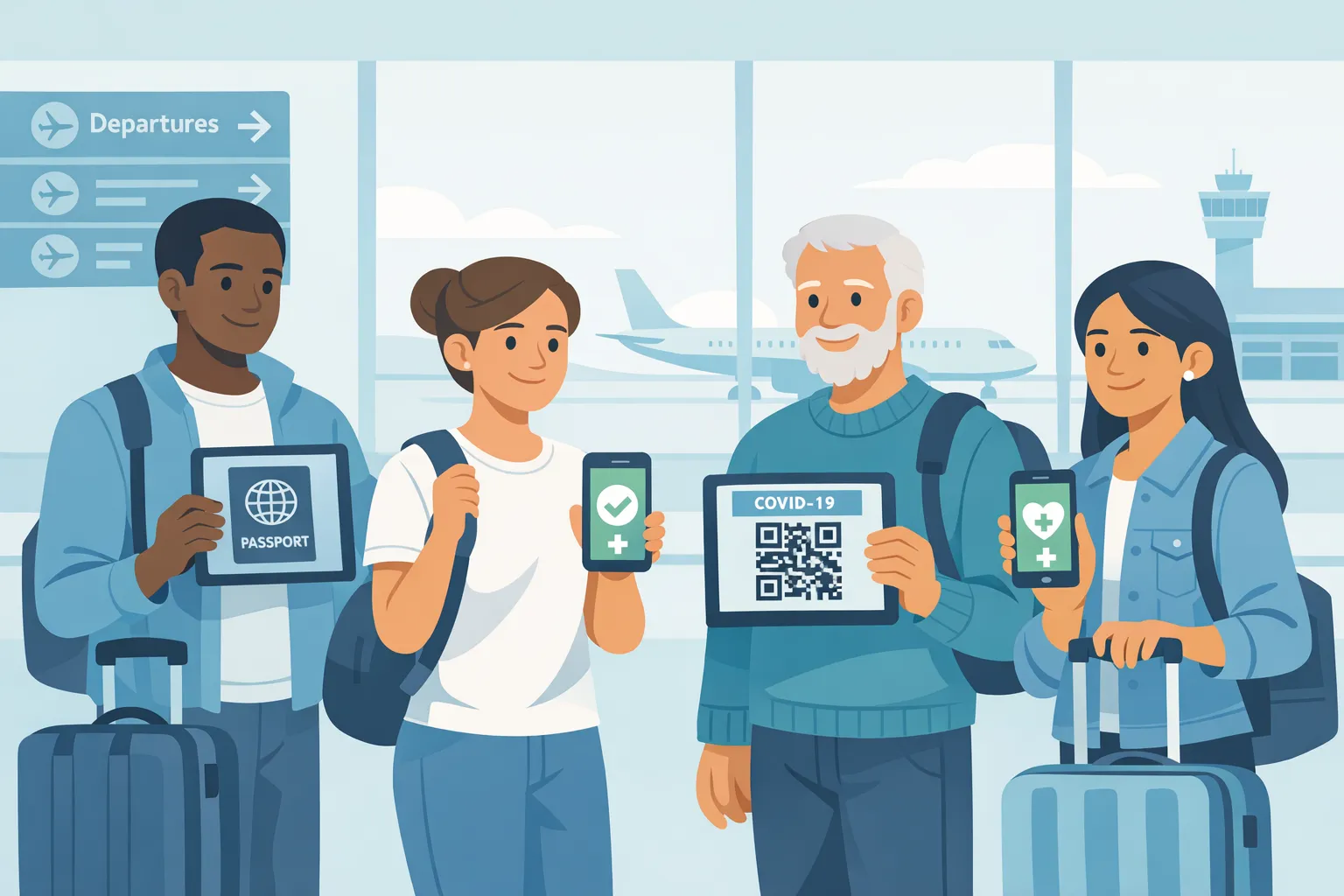
To enter South Korea, travelers with chronic conditions should carry a physician's letter detailing their condition and medications, as well as an adequate supply of their prescriptions. Although South Korea does not have specific health documentation requirements for entry, having these documents ensures a smooth journey, especially if medical assistance is needed during your stay.
Traveling with a chronic condition can feel daunting, particularly when it comes to understanding what health documentation is needed for international travel. Your main concern is likely ensuring that you have everything necessary not just for entry, but for a safe and worry-free experience abroad. While South Korea does not impose specific health-related entry requirements, it is crucial to be prepared for any health-related inquiries or emergencies.
To facilitate your journey, you should focus on carrying comprehensive documentation about your health status. A letter from your healthcare provider can serve as an invaluable tool, especially if you need to explain your condition to medical professionals in South Korea. This letter should include details about your diagnosis, current treatment plan, and any medications you are taking, their generic names, and dosages. It may also be beneficial to have these documents translated into Korean to avoid any potential language barriers.
Additionally, the Centers for Disease Control and Prevention (CDC) recommends ensuring that your vaccinations are up to date, which is a standard travel precaution. Taking these steps not only aids in a smoother travel experience but also empowers you to manage your health effectively while exploring South Korea.
Make your free emergency medical card — in five languages a doctor abroad can read. No sign-up.
What travellers with this condition need to know
Medication and Supply Considerations
Travelers with chronic conditions should be aware of the regulations regarding medication in South Korea. It is crucial to carry a sufficient supply of medication, as some medications may not be readily available in South Korea or could be subject to import restrictions. Ensure that all medications are clearly labeled and that you have a physician’s letter detailing your medical condition and prescribed treatment. The CDC advises travelers to check if their medication is legal in the country they are visiting, as laws regarding controlled substances can vary significantly.
Managing Stress and Environmental Changes
Traveling can be stressful, and changes in environment, such as climate and altitude, can affect chronic conditions. Individuals with respiratory or cardiovascular conditions, for example, may experience exacerbated symptoms due to air quality or humidity levels. According to the World Health Organization, air pollution can have significant health impacts, and travelers should monitor air quality levels in South Korea, particularly in urban areas like Seoul. Travelers are advised to consult with their healthcare providers about how to manage their condition in different environmental conditions.
Access to Healthcare Facilities
Understanding the healthcare infrastructure in South Korea is vital for managing chronic conditions while traveling. South Korea has a well-developed healthcare system, but it is advisable for travelers to identify nearby hospitals and clinics in advance. The CDC recommends travelers know how to access medical care in case of an emergency and have a plan for managing their condition abroad. It might also be beneficial to have contact information for English-speaking healthcare providers.
Before you travel: a practical checklist
- Ensure your passport is valid for at least six months beyond your planned entry date to South Korea, as this is a common requirement for international travel.
- Contact your healthcare provider at least 4-6 weeks before departure to discuss your travel plans and ensure your chronic condition is well-managed for the trip.
- Obtain a signed and dated letter from your physician detailing your chronic condition, medications, and any necessary medical equipment. This can assist in navigating customs and border procedures.
- Check with the South Korean embassy or consulate for any updates on entry requirements related to health or medication, as these may change based on public health situations.
- Compile a list of your medications, including their generic names, as these may be required for customs purposes and can assist in obtaining replacements if necessary.
- Verify with your airline about any specific requirements for carrying medical equipment or medications on board, including the need for advance notice or documentation.
- Review your health insurance policy to confirm it covers healthcare services in South Korea, and consider purchasing additional travel health insurance if needed.
- Pack a small first-aid kit tailored to your needs, including any over-the-counter medications and supplies that may be difficult to find abroad.
- Research and note the locations and contact information of hospitals or clinics near your destination in South Korea, especially those with English-speaking staff, in case of an emergency.
- Visit the CDC travel health page for South Korea (CDC) to check for any health advisories or recommended vaccinations.
- Ensure your vaccinations are up to date, as some may be required or recommended for travel to South Korea.
- Prepare a travel health plan outlining how you will manage your condition while abroad, including daily routines and emergency contacts.
During your trip: managing it abroad
As you navigate your journey in South Korea, managing your chronic condition effectively requires careful planning and awareness. Here are some strategies to ensure you stay healthy and safe throughout your trip:
- Temperature Control: Medications sensitive to temperature changes should be stored between 15°C and 25°C (59°F and 77°F). In South Korea, summer temperatures can rise, so use an insulated travel bag or cooler to maintain necessary conditions. If your medication requires refrigeration, confirm that your accommodation provides a refrigerator.
- Dosing Intervals & Schedule: Adjusting to a new time zone can affect your medication schedule. If your medication is taken every 8 hours, maintain this interval by setting alarms on your smartphone. The CDC suggests consulting your healthcare provider to adjust your schedule as needed.
- Pharmacy Assistance: In case you need medication or advice, learn the phrase: "약국을 찾고 있습니다" (yak-gug-eul chat-go iss-seubnida), meaning "I am looking for a pharmacy." South Korean pharmacists are well-trained and can assist with over-the-counter medications. For prescription refills, present your medication list and physician's letter.
- Recognizing Symptoms: Be vigilant about changes in your health. If you experience unexpected symptoms, such as a fever over 38°C (100.4°F), persistent dizziness, or severe pain, seek medical attention promptly. The WHO advises that such symptoms may warrant immediate care.
- Communicating with Cabin Crew: During flights, inform cabin crew of your condition and where your medication is stored. If you need assistance, say: "I have a medical condition and may need help." This alerts the crew to your situation and ensures they can promptly provide assistance if necessary.
By employing these strategies, you can manage your condition confidently while enjoying your travels in South Korea. Stay informed, be prepared, and remember that resources and assistance are available should you need them.
How this changes by destination and situation
Traveling with a chronic condition can present various challenges, but being aware of how your destination or travel situation might affect your health is crucial. Below is a table outlining how different situations can impact the management of chronic conditions:
| Situation | Considerations for Chronic Conditions |
|---|---|
| Heat | High temperatures can exacerbate conditions like diabetes and cardiovascular diseases. It's essential to stay hydrated and avoid prolonged sun exposure. The WHO advises monitoring symptoms closely in hot climates. |
| Altitude | High altitudes can affect respiratory and cardiovascular conditions. Travelers should acclimate gradually and consult with healthcare providers before ascending. Visit the CDC for guidelines on managing health at high altitudes. |
| Long-haul flight | Extended periods of immobility can increase the risk of deep vein thrombosis (DVT). Wear compression stockings and move regularly. The ISTM provides tips for safe air travel for those with chronic health issues. |
| Cruise | On a cruise, medical facilities may be limited. Ensure you have an ample supply of medications and know the ship's medical capabilities. The CDC offers advice on cruising with chronic conditions. |
| Limited healthcare infrastructure | In areas with limited medical facilities, bring all necessary medications and be aware of emergency procedures. The WHO emphasizes the importance of pre-travel consultations in such regions. |
| Time-zone shift | Adjusting to a new time zone can disrupt medication schedules. Plan ahead to align your medication times with the new local time. The CDC suggests strategies for managing time-zone changes for medication adherence. |
Being mindful of these factors can help you manage your chronic condition effectively while enjoying your travels in South Korea and beyond.
In an emergency: what first responders need to know
In an emergency, the information first responders need about your chronic condition must be clear, concise, and immediately accessible. Here’s what they should know within the first thirty seconds:
- Medical Condition: State the chronic condition you have, such as diabetes, epilepsy, or asthma.
- Medications: List essential medications you are taking, including dosage and frequency.
- Allergies: Specify any known drug allergies or other critical allergies.
- Emergency Contact: Provide details of an emergency contact who can provide additional information.
This information should be stored in a location that is easily accessible. Consider carrying a medical alert card in your wallet or wearing a medical ID bracelet. Additionally, having a translated version of this information in Korean can be invaluable, as it overcomes any language barriers that may arise during an emergency. Ensure the translation is accurate by having it reviewed by a professional or using trusted translation services.
If you use a health management app like HealthPass, ensure your emergency health profile is up-to-date and accessible offline. This can be a lifesaver if your phone has no internet connection. According to the CDC, carrying a paper backup of your health information is also recommended, especially when traveling internationally.
By preparing in advance, you empower first responders to provide the best care possible, minimizing the risk and improving the outcome of any health crisis that may occur during your travels in South Korea.
How HealthPass helps
HealthPass offers a suite of capabilities designed to assist travelers with chronic conditions in managing their health while entering South Korea. The digital health records feature allows travelers to store and access their medical history and physician’s letters securely. This ensures that essential health information is readily available, which is crucial for both routine checks and unexpected situations.
The trip planning tool helps travelers organize their medication schedules and healthcare appointments in advance, reducing the risk of running out of necessary supplies or missing critical medical consultations. This aligns with the CDC's advice on comprehensive travel planning for those with chronic conditions. Visit the CDC for more details.
HealthPass also provides up-to-date information on destination requirements, ensuring that travelers are aware of any specific health documentation or medication regulations they need to comply with upon entering South Korea. This feature is particularly useful for understanding local laws and avoiding potential issues at customs.
The emergency card feature offers a quick-reference card that travelers can carry physically or digitally, providing first responders with immediate access to critical health information. This is a vital resource in emergencies, where time is of the essence, as highlighted by the WHO's guidelines on managing chronic conditions during travel. For more information, refer to the WHO.
Start your free HealthPass account — it takes a minute and costs nothing.
Frequently asked questions
Q: Do I need a specific health certificate to enter South Korea if I have a chronic condition?
A: No, South Korea does not require a specific health certificate for entry for travelers with chronic conditions. However, carrying a physician’s letter and a sufficient supply of medications is advisable for managing your condition effectively during your stay.
Q: Can I bring my medication into South Korea without any issues?
A: Yes, you can bring your medication into South Korea, but it's essential to have a physician's letter explaining your condition and the necessity of the medication. Ensure that your medication is in its original packaging and verify if any of your medications are restricted by South Korean law.
Q: What should I do if my medication is not available in South Korea?
A: If your medication is not available, consult with a local healthcare provider to discuss alternative options. It’s crucial to plan ahead by bringing a sufficient supply from home and considering alternatives with your healthcare provider before traveling. For more guidance, refer to CDC's travel resources.
Q: Can I find English-speaking doctors in South Korea?
A: Yes, many hospitals and clinics in South Korea have English-speaking doctors, especially in urban areas like Seoul and Busan. Embassies often provide lists of recommended healthcare providers. It's a good idea to research and identify nearby facilities before your trip.
Q: How can I ensure my medical information is readily available in an emergency while traveling?
A: Using digital solutions like HealthPass can help ensure your medical information is easily accessible. Additionally, carrying a translated document of your medical history and a medical ID bracelet can provide crucial information to first responders.
Q: Are there any vaccinations required for entry into South Korea?
A: While no specific vaccinations are required for entry into South Korea, the WHO recommends being up to date with routine vaccinations. Depending on your health condition, consult your healthcare provider for personalized advice on additional immunizations.
What this guide does not cover
While this guide provides valuable insights for travelers with chronic conditions entering South Korea, it does not encompass country-specific healthcare policies or medical services available upon arrival. Since healthcare systems and access to services can vary widely, it is recommended to consult local healthcare authorities or the Korean Ministry of Health and Welfare for detailed information on healthcare facilities and services in South Korea. Additionally, travelers should consider reaching out to their respective embassy or consulate for assistance with healthcare-related inquiries while abroad. For more comprehensive travel health advice, the World Health Organization (WHO) offers extensive resources and guidance for international travelers.
Keep this checklist, your medications and your documents in one place you can open at a border, a pharmacy or an emergency room.
While this guide offers valuable information, it is not a substitute for personalized medical advice. Travelers with chronic conditions should consult their healthcare provider for specific guidance tailored to their health needs. For authoritative information, refer to the World Health Organization or the Centers for Disease Control and Prevention.
Keep your medications, allergies and vaccinations with you abroad: a travel medical records app with an emergency card a doctor can read in five languages, or print a free emergency card in their language.