Essential Health Documents You Need to Enter Israel
Travel rules change. HealthPass does not update blog posts after they are published, so please check the current requirements before you travel.
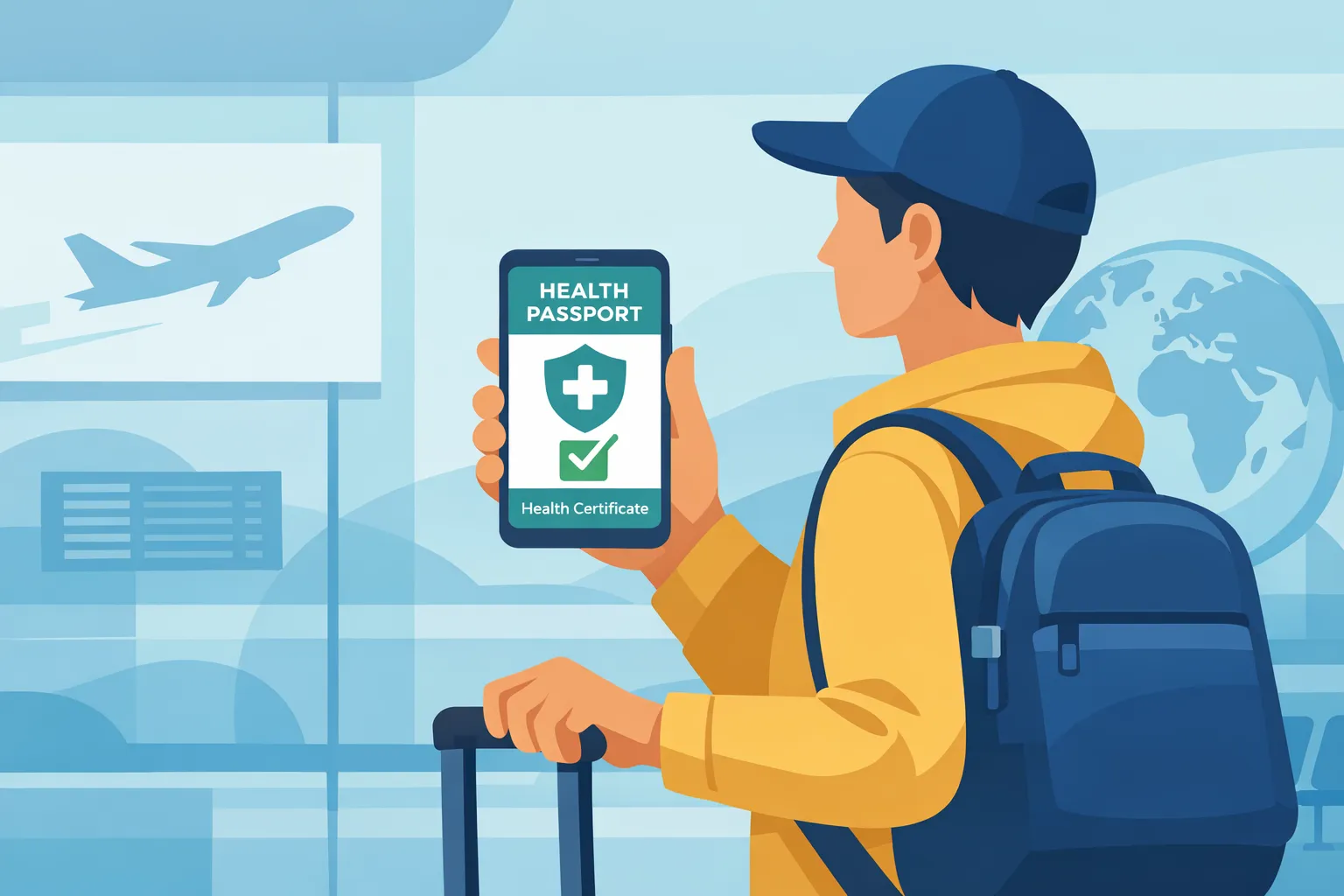
To enter Israel, you need to carry your passport and any necessary visas, as well as medical documentation relevant to your chronic condition. This could include health summaries, medication lists, and treatment plans. If you are carrying prescription medication, ensure that you have a letter from your doctor specifying the necessity and dosage of the medication.
Traveling with a chronic condition can be daunting, especially when navigating the complexities of international travel. The challenge lies in ensuring you have the right documents to comply with entry requirements while managing your health needs effectively. This is particularly crucial for countries like Israel, where entry protocols can be stringent. As a traveler with a chronic condition, preparing the necessary health documents is as vital as packing your bags.
Understanding what you need ensures a smoother entry and helps in managing your condition during your stay. According to the World Health Organization (WHO), carrying a comprehensive health summary and medication list can significantly aid in continuity of care. Moreover, the Centers for Disease Control and Prevention (CDC) recommend travelers with chronic conditions to have a plan in place for managing their health abroad. This includes having a health summary document that outlines your condition, medications, and any special requirements you may have. By doing so, you empower yourself to address potential health challenges effectively while exploring the rich cultural and historical tapestry that Israel offers.
Make your free emergency medical card — in five languages a doctor abroad can read. No sign-up.
What travellers with this condition need to know
Risk of Communicable Diseases
Travelers with chronic conditions should be aware of the risk of communicable diseases when visiting Israel. Conditions such as diabetes, heart disease, or immune system disorders can increase your vulnerability to infections, making it crucial to stay informed. Israel has a subtropical climate, which can facilitate the spread of diseases like hepatitis A and B, influenza, and measles. The CDC recommends that travelers ensure their routine vaccinations are up to date before traveling. Additionally, those with chronic illnesses may require additional vaccinations or booster doses, so consult your healthcare provider well before your departure.
Managing Dietary Restrictions
For travelers with chronic conditions requiring specific dietary restrictions, such as celiac disease or food allergies, navigating food options in a new country can be challenging. Israel offers a diverse culinary landscape, but it's important to communicate your dietary needs clearly to avoid adverse reactions. It is advisable to carry a translated card explaining your dietary restrictions in Hebrew, the national language, to facilitate understanding at restaurants and food markets. The CDC does not specifically address dietary restrictions in Israel, so verify with your healthcare provider or a local dietitian about safe food options.
Medication and Air Quality Considerations
Chronic respiratory conditions such as asthma or COPD can be exacerbated by changes in air quality, which can vary significantly across Israel. While the major urban areas like Tel Aviv and Jerusalem may experience higher pollution levels, other regions might offer cleaner air. Always carry your necessary medications, such as inhalers, in your hand luggage. The CDC advises travelers to carry a sufficient supply of prescription medications and to have a healthcare provider’s letter detailing your medical needs and prescriptions. This ensures that you can receive equivalent medications if required during your stay.
Before you travel: a practical checklist
- Check your passport expiration date and ensure it is valid for at least six months beyond your planned departure from Israel, as this is a common requirement for many international destinations.
- Consult your healthcare provider at least six weeks before departure to discuss your travel plans and assess any additional health precautions you may need to take.
- Obtain a detailed summary of your medical history from your healthcare provider, including your chronic condition, current medications, and any recent treatments, to ensure you have the necessary documentation in case of a medical situation abroad.
- Ensure you have an adequate supply of your prescription medications to last the duration of your trip, plus a few extra days in case of travel delays, and a letter from your doctor outlining your prescriptions.
- Check the current health advisories for travelers to Israel on the CDC website to stay informed about any specific health risks or required vaccinations pertinent to your condition.
- Investigate whether your health insurance covers international travel or consider purchasing travel health insurance that includes coverage for pre-existing conditions.
- Prepare a list of local healthcare facilities in Israel that are equipped to handle your specific medical needs, including contact information for English-speaking medical professionals if necessary.
- Compile a list of emergency contacts, including your healthcare provider at home, and keep it easily accessible during your travels.
- Review Israel’s customs regulations regarding the importation of medication to ensure compliance and avoid any legal issues.
- Keep a digital backup of all your important health documents and prescriptions on a secure cloud service to ensure you can access them if your physical copies are lost or stolen.
During your trip: managing it abroad
Traveling with a chronic condition in Israel can be seamless when you plan and manage your health needs effectively. Here are practical steps to ensure your trip is smooth and enjoyable.
- Medication Management: Keep medications in their original packaging with clear labels. This is crucial for customs and healthcare providers. Remember to carry a copy of your prescription and a doctor’s letter explaining your condition and the medications you are taking. The CDC recommends taking enough medication to last your entire trip, plus a few extra days in case of travel delays.
- Temperature Control: Some medications require specific temperature ranges. Ensure your accommodation has a mini-fridge if needed. The WHO advises that insulin, for example, should be stored between 36°F to 46°F (2°C to 8°C). Use a travel cooler and a thermometer to monitor temperatures during transit.
- Dosing Intervals: Adjust medication timing to Israel’s time zone. For instance, if you take medication every 8 hours, set alarms to maintain this schedule and avoid missed doses. Consult your doctor if you need guidance on adjusting doses during time zone changes.
- Recognize Warning Signs: Understand your condition’s critical thresholds. If you experience symptoms like persistent chest pain or severe shortness of breath, seek medical help immediately. To communicate effectively, say to a local pharmacist or medical professional: “I have [condition], and I am experiencing [symptom]. I need medical assistance.”
- Language and Communication: English is widely spoken in Israel, but having a translation app or a card with essential medical phrases in Hebrew can be beneficial. This includes phrases like “Where is the nearest hospital?” or “I need a doctor.”
- Hydration and Nutrition: Maintain hydration, especially if your condition is affected by fluid balance. Check with your healthcare provider about any dietary restrictions and plan meals accordingly. Israeli cuisine offers a variety of options, but be cautious with new foods that may affect your condition.
By taking these steps, you can confidently manage your chronic condition while enjoying your travels in Israel. Always remember to have your health documentation readily available, and don’t hesitate to seek local medical advice if needed.
How this changes by destination and situation
When traveling to Israel with a chronic condition, varying situations such as climate, elevation, and the availability of healthcare can influence your health management. Here's how different scenarios might affect your travel plans:
| Situation | What Changes |
|---|---|
| Heat | Israel's warm climate, especially in summer, can exacerbate conditions like cardiovascular diseases or diabetes. Stay hydrated, take frequent breaks, and monitor your health status closely. WHO Travel & Health |
| Altitude | In regions like the Golan Heights, higher altitudes might affect those with respiratory or heart conditions. Be mindful of altitude sickness and adjust your activities accordingly. CDC Travelers' Health |
| Long-haul flight | Long flights can increase the risk of deep vein thrombosis (DVT) for individuals with certain chronic conditions. Ensure you move around during the flight and stay hydrated. ISTM |
| Cruise | While Israel is not a common cruise destination, if traveling by cruise, consider the limited access to healthcare and the potential for seasickness, which can impact chronic conditions. CDC destination pages |
| Limited healthcare infrastructure | In remote areas, healthcare facilities may be limited. Carry comprehensive health documents and a sufficient supply of medications. Familiarize yourself with local healthcare options. WHO fact sheet index |
| Time-zone shift | Adjusting to Israel's time zone can affect medication schedules for chronic conditions like diabetes. Plan your medication timings carefully to maintain your health regimen. ECDC topics A-Z |
In an emergency: what first responders need to know
In the event of a medical emergency, it is crucial that first responders can quickly access essential health information about your chronic condition. Within the first thirty seconds, responders need to know your primary diagnosis, any allergies, current medications, and any specific treatment protocols. This information can significantly impact the immediate care you receive and ensure it aligns with your health needs.
To facilitate this, keep a concise medical summary on your person at all times, ideally in both English and Hebrew. This document should be stored in a readily accessible place, such as a medical alert bracelet, a wallet card, or a dedicated section in your travel documents.
In addition to a hard copy, consider using a digital solution. Many travelers leverage health apps or digital emergency profiles that can be accessed by first responders in situations where physical documents may not be immediately available. HealthPass offers features that allow you to store and share your critical health information securely.
In cases where a language barrier might exist, having your health information translated into Hebrew can be beneficial. While many medical professionals in Israel speak English, having your documentation in the local language ensures clarity and can expedite care.
For travelers with chronic conditions, the World Health Organization and Centers for Disease Control and Prevention recommend carrying a health information card that details your condition and emergency contacts. This proactive step can be a lifesaver, ensuring that first responders have the necessary information to provide appropriate care quickly and effectively.
How HealthPass helps
HealthPass offers a comprehensive solution for travelers with chronic conditions, ensuring you are well-prepared for your journey to Israel. The app allows you to securely store and access your health records, including detailed health summaries, medication lists, and treatment plans. This means you can easily provide necessary information to healthcare providers or officials in Israel, saving you time and reducing stress.
With the trip planning feature, HealthPass helps you organize your travel itinerary and medical appointments, ensuring that you have all the necessary health documentation before you depart. This feature is particularly useful for confirming you meet Israel's entry requirements regarding medical documentation.
The destination requirements tool provides up-to-date information from reliable sources such as the WHO and CDC on health advisories specific to your chronic condition. This helps you make informed decisions about your travel plans, ensuring you are aware of any health risks and necessary precautions.
In case of an emergency, the emergency card feature of HealthPass provides first responders with immediate access to critical health information, such as your primary diagnosis, allergies, and emergency contacts, allowing for timely and appropriate medical care.
Create your emergency card — it takes a minute and costs nothing.
Frequently asked questions
Q: Do I need a COVID-19 test to enter Israel?
A: As of the latest guidelines, Israel does not require a COVID-19 test for entry, but this is subject to change. Travelers are advised to consult the Israeli Ministry of Health's website for the most current information before departure.
Q: Can I bring my medication into Israel?
A: Yes, you can bring your medication, but it must be in its original packaging, accompanied by a letter from your doctor. This letter should explain your condition and the necessity of the medication. For more details, visit the Israeli Ministry of Health's guidelines on medication importation.
Q: Is travel insurance mandatory for entering Israel?
A: While travel insurance is not mandatory for entering Israel, it is highly recommended, especially for travelers with chronic conditions. Insurance can cover unexpected medical expenses and provide peace of mind during your trip.
Q: How do I find healthcare services in Israel?
A: Israel has a robust healthcare system, and you can access services through local clinics and hospitals. Your hotel or the local embassy can direct you to nearby healthcare facilities. It's advisable to have a list of hospitals and clinics in the areas you plan to visit.
Q: What vaccinations are recommended for traveling to Israel?
A: The CDC recommends that travelers to Israel be up-to-date on routine vaccines, including measles, mumps, and rubella (MMR), diphtheria-tetanus-pertussis, varicella (chickenpox), and polio. Consult the CDC's website for the most current vaccination recommendations.
Q: What emergency numbers should I know when traveling in Israel?
A: In case of an emergency, dial 101 in Israel to reach the ambulance service. Also, keep a list of emergency contacts, including your country's embassy or consulate, on hand. Having these numbers readily available can be crucial in urgent situations.
What this guide does not cover
While this guide provides valuable information for travelers with chronic conditions entering Israel, it does not cover region-specific health advisories that may affect your travel plans. Health alerts, such as outbreaks of certain diseases, can arise and change quickly. For the most up-to-date information on health risks in Israel, consult the World Health Organization (WHO) or the Centers for Disease Control and Prevention (CDC). Additionally, this guide does not cover travel insurance specifics, which are crucial for managing unexpected health expenses abroad. For insurance advice, we recommend contacting a professional travel insurance advisor.
If something happens abroad, the people treating you need your conditions, medications and allergies in seconds — in a language they read.
This guide provides general information about traveling to Israel with chronic conditions and is not a substitute for personalized medical advice. Always consult with a healthcare provider for advice tailored to your specific health needs. For comprehensive travel health guidelines, visit the World Health Organization and Centers for Disease Control and Prevention websites.
Keep your medications, allergies and vaccinations with you abroad: a travel medical records app with an emergency card a doctor can read in five languages, or print a free emergency card in their language.