Essential Health Documents You Need to Enter Greece
Travel rules change. HealthPass does not update blog posts after they are published, so please check the current requirements before you travel.
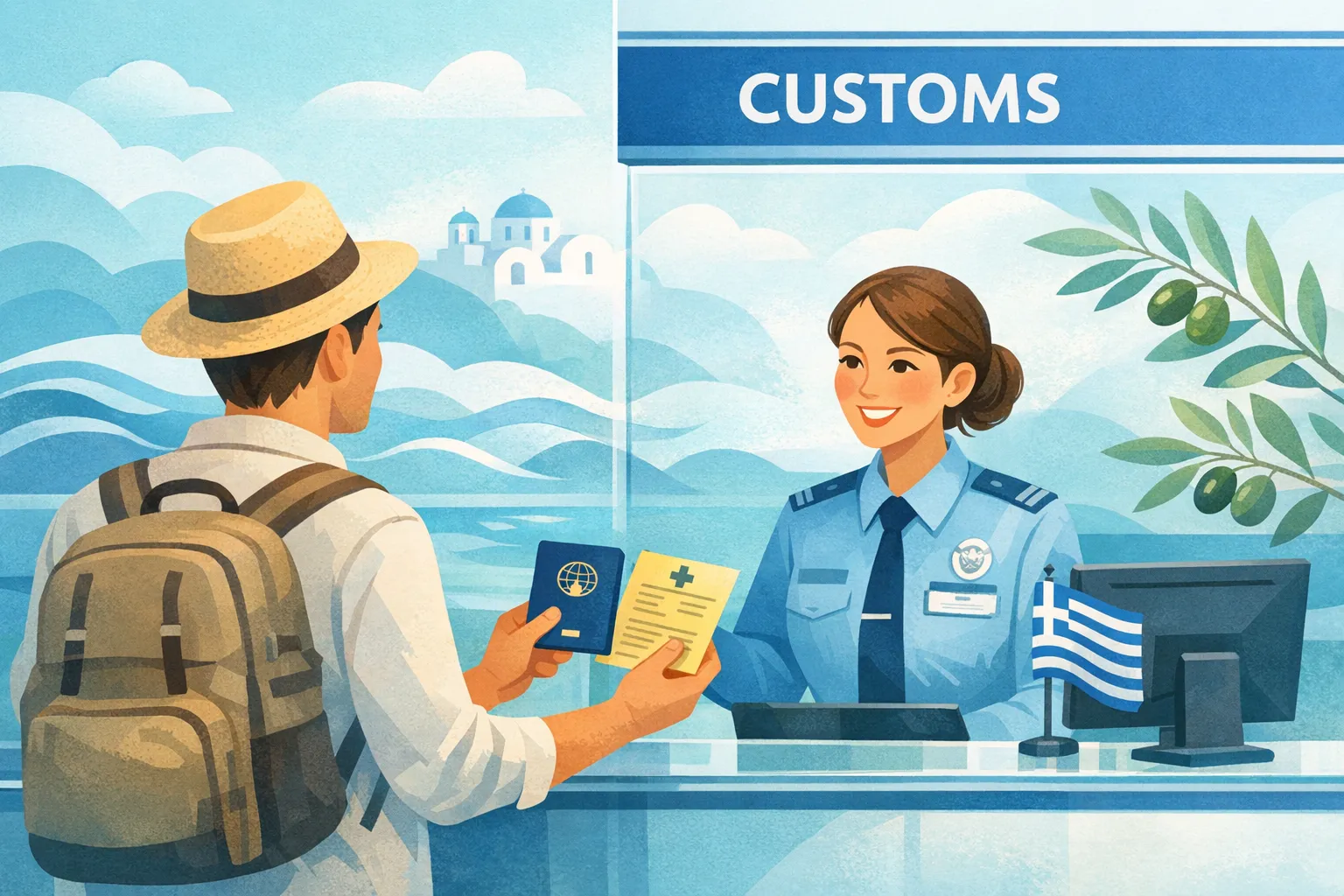
To enter Greece, travelers with chronic conditions need a valid passport, a visa if required, and specific health documentation, such as a summary of their medical condition and a list of medications. These documents facilitate entry and ensure you receive appropriate care if needed.
Traveling can be daunting, especially when managing a chronic condition. The thought of navigating foreign healthcare systems and ensuring you have all the necessary documentation can add an extra layer of stress. But fear not, preparation is key to a smooth journey. Understanding the health documents required for entry into Greece is a crucial step in your travel planning.
For those with chronic conditions, it’s vital to carry a detailed medical report from your healthcare provider. This report should include information about your diagnosis, treatment plan, and any special requirements. Additionally, ensure your prescription medications are clearly labeled in their original packaging and accompanied by a prescription note. This not only aids in smooth customs checks but also ensures that you can access the right healthcare support if required during your stay.
The World Health Organization (WHO) and the Centers for Disease Control and Prevention (CDC) recommend that travelers with chronic illnesses carry an updated medical history and emergency contact information. For more specific guidance, visit the WHO and CDC websites to stay informed about any travel advisories or health recommendations relevant to your condition. Empower yourself with the right information, and enjoy your Greek adventure with confidence.
Make your free emergency medical card — in five languages a doctor abroad can read. No sign-up.
What travellers with this condition need to know
Risk of Infectious Diseases
Travelers with chronic conditions, such as diabetes or heart disease, may face an increased risk of infectious diseases due to a potentially compromised immune system. In Greece, there is a general risk of contracting respiratory and gastrointestinal infections, particularly in crowded areas or during flu season. The CDC advises that individuals with chronic conditions should ensure all routine vaccines are up to date, including the seasonal influenza vaccine and others that may be relevant based on personal health status. It is also advisable to consult with your healthcare provider to determine if any additional vaccines are necessary before traveling.
Impact of Climate on Chronic Conditions
The Mediterranean climate in Greece, characterized by hot, dry summers and mild, wet winters, can have varying impacts on chronic health conditions. For instance, those with cardiovascular issues may experience added strain due to high temperatures, leading to dehydration or heat exhaustion. The CDC recommends staying hydrated and avoiding strenuous activities during peak heat hours. Additionally, individuals with respiratory conditions should be aware of potential air quality issues, particularly in urban areas where pollution levels can be higher. Monitoring weather forecasts and air quality indices can help in planning daily activities to avoid exacerbating symptoms.
Medication Management and Access
Access to necessary medication in Greece is generally reliable, but there can be variations in the availability of specific drugs. It's critical for travelers with chronic conditions to carry an ample supply of their prescribed medications, along with a copy of their prescriptions and a letter from their healthcare provider detailing their condition and treatment plan. This documentation is essential if medications need to be replaced or adjusted during your stay. The CDC advises checking with the Greek embassy or consulate for any restrictions on medication importation and to confirm that your medications are permitted in the country.
Before you travel: a practical checklist
- Consult your healthcare provider at least six weeks before your trip to Greece. This timing allows for any necessary adjustments to your treatment plan or vaccinations tailored to your condition and destination.
- Get a comprehensive medical evaluation to ensure your chronic condition is well-managed and stable enough for travel. This helps prevent complications that could arise during your trip.
- Compile a detailed medical summary that includes your diagnosis, current treatment plan, and any medical devices you use. This document will be invaluable should you need medical care in Greece.
- Obtain a letter from your doctor outlining your condition and the necessity of your medications, especially if they include controlled substances. This can ease the process of navigating customs and security regulations.
- Ensure you have an ample supply of medications to last your entire trip, plus a few extra days in case of delays. Refill prescriptions well in advance to avoid any last-minute issues.
- Check the CDC's travel health notice for Greece to understand any specific health advisories or recommended vaccinations for travelers with chronic conditions source.
- Research the local healthcare facilities in Greece to know where you can access care in case of an emergency. Identify hospitals that are well-equipped to handle your specific chronic condition.
- Ensure your travel insurance policy covers pre-existing conditions and healthcare costs abroad. This provides financial protection and peace of mind should you need medical treatment while traveling.
- If you use medical devices like insulin pumps or CPAP machines, check their compatibility with Greek electrical outlets and voltages. Purchase adapters if necessary to ensure uninterrupted use.
- Prepare an emergency contact list including family members, healthcare providers, and your country’s embassy or consulate in Greece. This list should be easily accessible to you and travel companions.
During your trip: managing it abroad
Managing a chronic condition while traveling in Greece requires thoughtful preparation and adaptability. Here are essential tactics to ensure your health remains a priority:
- Medication Schedule: If you’re managing a condition like diabetes or hypertension, maintain your medication regimen with precision. Set alarms to adhere to dosing intervals. For example, if your medication is taken every 6 hours, stick to this schedule despite time zone changes. A travel pill organizer can help manage this effectively.
- Temperature Control: Some medications require specific storage conditions. Insulin, for instance, should be stored between 2-8°C (36-46°F). Use insulated packs and check your accommodation for refrigeration options. If refrigeration is not available, portable travel coolers can be a viable alternative.
- Identifying Symptoms: Know the symptoms that necessitate immediate medical attention. For conditions like asthma, if you experience shortness of breath or a peak flow reading below 50% of your personal best, seek medical help promptly. The World Health Organization (WHO) provides guidance on recognizing such symptoms.
- Pharmacy Communication: If you need to purchase medications in Greece, knowing the generic names can be helpful. Approach a pharmacist and say, “I need [generic medication name] for [condition].” Keep a translated list of your medications in Greek, as this can assist in communicating effectively.
- Hydration and Nutrition: Stay hydrated, especially during the hot Greek summers. For individuals with cardiovascular diseases, monitor your salt intake. The Centers for Disease Control and Prevention (CDC) underscores the importance of dietary management in chronic conditions.
- Emergency Numbers: Familiarize yourself with local emergency services. In Greece, dial 166 for medical emergencies. Carry a card with this number and your medical information.
- Air Travel Tips: If flying, inform cabin crew of your condition. A concise statement like, “I have a chronic condition that may require urgent assistance,” ensures they are prepared to assist if necessary. The International Society of Travel Medicine (ISTM) provides further insights into managing health conditions during flights.
By preparing and knowing what to expect, you can confidently manage your chronic condition while experiencing the rich culture and history of Greece.
How this changes by destination and situation
| Situation | What Specifically Changes |
|---|---|
| Heat | Greece's summer temperatures can be intense, which may exacerbate conditions like cardiovascular diseases or diabetes. Travelers should stay hydrated and take measures to avoid heat-related illnesses. Refer to the WHO travel and health page for more information on managing health in hot climates. |
| Altitude | While Greece is not known for high-altitude destinations, certain areas may still cause altitude-related symptoms. Travelers with respiratory conditions should be particularly cautious. The CDC Travelers' Health provides guidelines on altitude sickness management. |
| Long-haul flight | Long flights to Greece can increase the risk of deep vein thrombosis (DVT), especially for those with circulatory issues. It's advisable to perform in-seat exercises and stay hydrated. See CDC destination pages for tips on safe flying practices. |
| Cruise | For cruise travelers, access to medical care may be limited at sea. It's essential to carry all necessary medications and a medical summary. The International Society of Travel Medicine can offer advice on staying healthy on cruises. |
| Limited healthcare infrastructure | In remote areas of Greece, healthcare facilities may be less accessible. It's crucial to have a well-prepared medical kit and emergency contact information. The ECDC topics A-Z provides insights on healthcare access in various regions. |
| Time-zone shift | Adjusting to Greece's time zone may disrupt medication schedules and sleep patterns. Travelers should plan medication timings ahead and gradually adjust sleep routines. More guidelines are available on the CDC Travelers' Health page. |
In an emergency: what first responders need to know
In a medical emergency, first responders need to quickly access critical information about a traveler's chronic conditions. This information should include their medical diagnosis, current medications, allergies, and emergency contacts. It is vital that this information is readily accessible and understandable within the first thirty seconds of contact.
Travelers should carry a medical information card that summarizes their condition. This card should be kept in an easily accessible place, such as a wallet or a dedicated pocket in a travel bag. Additionally, wearing a medical alert bracelet or necklace can provide immediate awareness of the condition. These items should include clear, concise information in English and, if possible, a translation in Greek to overcome any language barriers.
For those with complex medical needs, consider carrying a more detailed medical summary prepared by your healthcare provider. This document should be stored alongside your passport or other travel documents. Travelers can also use digital solutions like the HealthPass app to store and translate medical information, ensuring it's accessible even if physical documents are lost or damaged.
The CDC and WHO recommend that travelers with chronic conditions also carry a list of their medications, including generic names, dosages, and prescribing physician's contact information. This list should be regularly updated and reviewed before travel.
By preparing these documents and ensuring they are quickly accessible, travelers can empower first responders to provide accurate, timely care, minimizing the risk of complications in emergencies while traveling in Greece.
How HealthPass helps
HealthPass offers several features to simplify your travel to Greece, particularly if you have a chronic condition. The health records feature allows you to store and access a comprehensive summary of your medical condition, including your medication list and any pertinent health information. This ensures you have all necessary documentation at your fingertips for a smooth entry process.
Through the trip planning tool, HealthPass helps you understand specific health requirements for Greece, including vaccinations and health advisories. This ensures you are well-prepared and compliant with local regulations, minimizing surprises and ensuring peace of mind.
The destination requirements feature provides up-to-date information on health and safety protocols in Greece, allowing you to tailor your travel plans accordingly. This is particularly useful for travelers with chronic conditions, as it helps you avoid potential health risks and stay informed about local healthcare facilities.
In case of an emergency, the emergency card provides first responders with immediate access to your critical health information. It includes details like your medical diagnosis, current medications, allergies, and emergency contacts. This can be crucial in ensuring you receive timely and appropriate care in Greece.
Start your free HealthPass account — it takes a minute and costs nothing.
Frequently asked questions
Q: Do I need a COVID-19 vaccine to enter Greece?
A: As of the latest updates, Greece does not require proof of COVID-19 vaccination for entry. However, it is advisable to check the World Health Organization (WHO) and Centers for Disease Control and Prevention (CDC) websites for the latest travel advisories and vaccination recommendations.
Q: Can I bring my medications into Greece?
A: Yes, travelers with chronic conditions can bring medications into Greece. Ensure that you have a prescription and a doctor's note detailing your medical condition. Check with the CDC for any specific regulations regarding the import of medications for personal use.
Q: Is travel insurance necessary for Greece?
A: While not mandatory, travel insurance is highly recommended, especially for travelers with chronic conditions. Insurance can cover unforeseen medical expenses and provide peace of mind. Make sure your policy covers pre-existing conditions and emergency medical evacuation.
Q: What should I do if I lose my medication in Greece?
A: If you lose your medication, visit a local pharmacy or hospital with your prescription and doctor's note. They can assist in replenishing your medication. Having a digital copy of your prescription stored in HealthPass can expedite this process. Check resources from International Society of Travel Medicine (ISTM) for support networks.
Q: Are there specific vaccinations recommended for travel to Greece?
A: While Greece does not require specific vaccinations for entry, the WHO recommends being up to date with routine vaccines, including measles, mumps, and rubella (MMR), and hepatitis A and B. Consult your healthcare provider for tailored advice based on your health condition.
Q: How can I access medical care in Greece?
A: Greece has a well-regarded healthcare system, and travelers can access medical care through public and private facilities. It’s advisable to know the location of nearby hospitals and clinics at your destination. The European Centre for Disease Prevention and Control (ECDC) offers guidance on accessing healthcare services in Europe.
What this guide does not cover
While this guide provides valuable insights for travelers with chronic conditions planning a trip to Greece, it does not cover the specific requirements or recommendations for those with rare or complex health conditions. Each condition might have unique considerations that require consultation with a healthcare specialist familiar with your medical history. For personalized advice, it is crucial to speak with your healthcare provider and consult resources from the World Health Organization (WHO) or the Centers for Disease Control and Prevention (CDC). These organizations offer detailed health advisories and updates tailored to various medical conditions and travel destinations.
Keep this checklist, your medications and your documents in one place you can open at a border, a pharmacy or an emergency room.
Traveling with a chronic condition requires careful planning and documentation. Although this guide provides general advice, it does not replace professional medical consultation. Always consult a healthcare professional for personalized advice before traveling. For more information on health recommendations, visit the World Health Organization and Centers for Disease Control and Prevention websites.
Keep your medications, allergies and vaccinations with you abroad: a travel medical records app with an emergency card a doctor can read in five languages, or print a free emergency card in their language.