Essential Health Documents You Need to Enter Nepal
Travel rules change. HealthPass does not update blog posts after they are published, so please check the current requirements before you travel.
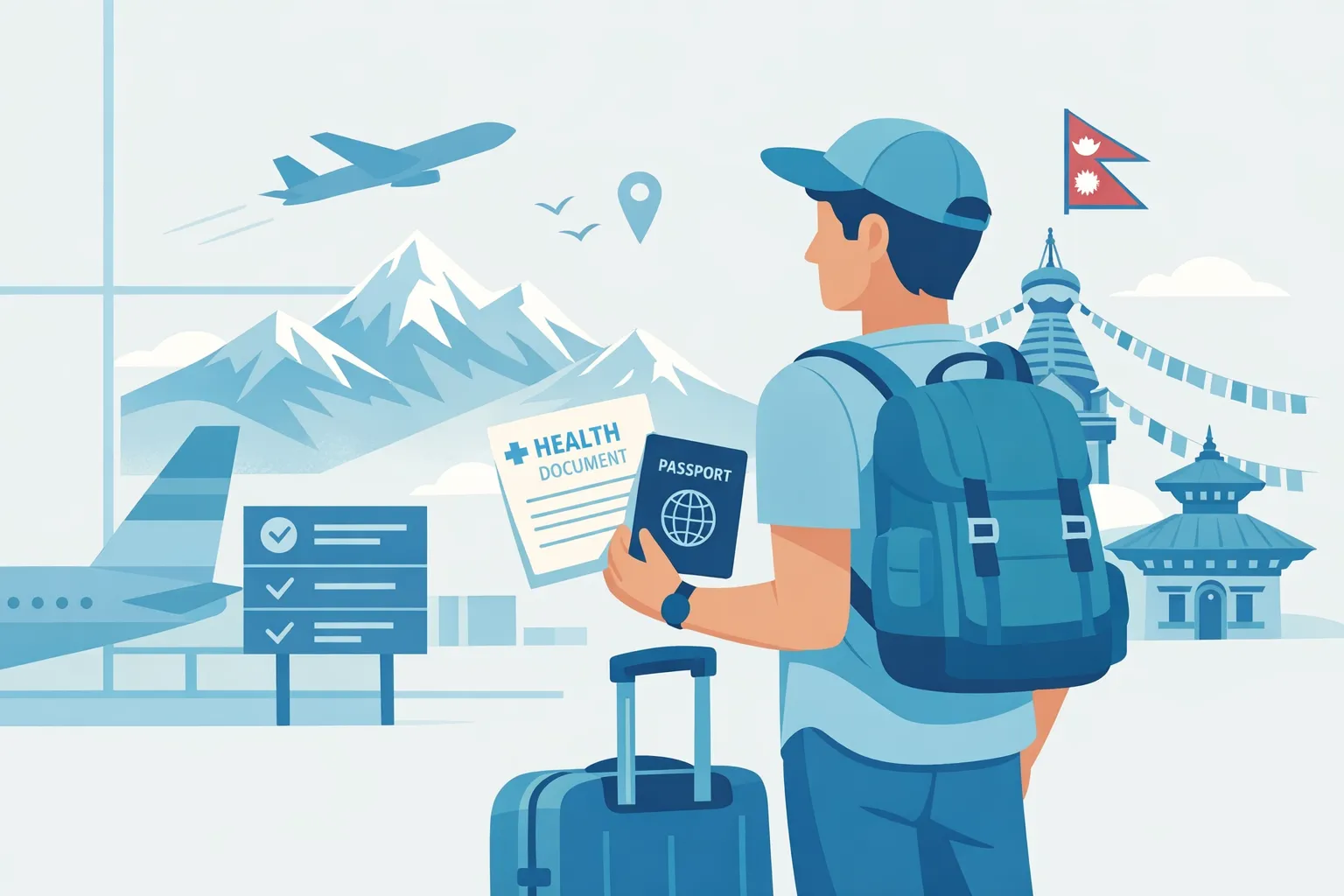
To enter Nepal, travelers are required to present a valid passport and, if applicable, a visa. Additionally, vaccination certificates for diseases like yellow fever may be necessary, depending on prior travel destinations. For those with chronic conditions, carrying a health summary and medication list is advisable. This ensures preparedness for health-related inquiries and facilitates seamless entry procedures.
Traveling with a chronic condition can be daunting, especially when navigating international entry requirements. Ensuring you have the correct health documents is crucial for a smooth journey. While the general requirements for entering Nepal are straightforward, travelers with chronic conditions face unique challenges. Concerns about managing health needs, accessing medications, and communicating with healthcare providers in a foreign country can add layers of complexity to travel planning. Understanding the specific documentation required and recommended can alleviate stress and empower travelers.
By being proactive and organized, you can focus on the enriching experiences Nepal offers, from its stunning landscapes to its vibrant culture. Remember, thorough preparation is key to enjoying a hassle-free trip. For further information on vaccinations and health advice, consult resources like the World Health Organization (WHO) or the Centers for Disease Control and Prevention (CDC). These organizations provide up-to-date travel health information, ensuring you are well-informed before your departure.
What travellers with this condition need to know
Traveling to Nepal can be a rewarding experience, but for individuals with chronic conditions, understanding potential health risks is crucial to ensure a safe journey. Below are some key risks to consider, along with guidance on how to manage them effectively.
Altitude Sickness
Nepal is renowned for its breathtaking mountain ranges, including the Himalayas. However, the high altitudes pose a significant risk of altitude sickness, especially for travelers with respiratory or cardiovascular conditions. Altitude sickness can manifest as headaches, dizziness, and shortness of breath. These symptoms can be exacerbated for those with underlying health issues. The Centers for Disease Control and Prevention (CDC) recommends gradual acclimatization to prevent altitude sickness. This involves ascending slowly and allowing time for your body to adjust to higher elevations. Learn more about altitude sickness prevention from the CDC.
Infectious Diseases
Nepal is situated in a region where certain infectious diseases are prevalent. Travelers with chronic conditions may have a compromised immune system, making them more susceptible to infections such as typhoid, hepatitis A, and Japanese encephalitis. The CDC advises vaccinations against these diseases before traveling to Nepal, particularly if your itinerary includes rural areas. It’s also important to practice safe food and water precautions, such as drinking bottled or boiled water and eating foods that are thoroughly cooked. Refer to the CDC travel health notice for Nepal for detailed recommendations.
Access to Medical Care
Access to medical care in Nepal can vary significantly, with limited facilities available in rural and high-altitude areas. For travelers with chronic conditions, it is vital to plan for medical contingencies. Ensure you carry a comprehensive health summary and sufficient medication supplies, keeping them in their original packaging for ease of access. Additionally, purchasing travel insurance that covers medical evacuation is advisable, as it can be challenging to secure immediate care in remote areas. The CDC provides further insights on accessing healthcare while traveling.
By understanding these risks and preparing accordingly, travelers with chronic conditions can enjoy their trip to Nepal with confidence and peace of mind.
Before you travel: a practical checklist
- Consult your healthcare provider at least six weeks before departure to assess your chronic condition's stability and update any necessary prescriptions. This time frame allows adequate preparation and adjustments to your treatment plan.
- Obtain a comprehensive health summary from your doctor, detailing your chronic condition, current treatments, and emergency contact information. This document is essential for medical professionals in Nepal who may need to assist you.
- Ensure that your vaccinations are up to date according to the CDC's recommendations for travelers to Nepal, including routine vaccines and those for hepatitis A and B. Vaccinations are crucial in preventing diseases in areas where they are more prevalent. CDC Travel Health
- Check with your airline to see if they require any additional health documentation or specific forms related to COVID-19, as requirements can change frequently.
- Acquire an international certificate of vaccination if you are traveling from or transiting through a country with a risk of yellow fever. Although Nepal is not a yellow fever endemic country, proof of vaccination may be required based on your travel history.
- Research healthcare facilities in Nepal and identify those equipped to handle your specific health needs. Being informed about nearby medical centers can save crucial time in an emergency.
- Review your health insurance policy to ensure it covers international travel, including medical evacuation, which can be vital if your condition requires specialized care not available locally.
- Stock a travel health kit with all necessary medications, including extras in case of delays. Remember to include a list of generic names for each medication, as brand names may vary abroad.
- Verify any visa requirements related to health, as some countries may have specific entry rules for individuals with certain medical conditions.
- Confirm that you have all necessary documentation for any medical devices you need to travel with, such as CPAP machines, to prevent complications at customs.
During your trip: managing it abroad
Managing your chronic condition while traveling in Nepal requires careful planning and proactive measures. Here are some practical strategies to ensure your health needs are met during your stay:
- Medication Management: Ensure you have enough medication for the entire duration of your trip, plus an extra week’s supply in case of unexpected delays. Keep medications in their original packaging with clear labels. For prescriptions requiring refrigeration, such as insulin, ensure the temperature remains between 2°C and 8°C (35.6°F and 46.4°F). Use insulated pouches or portable coolers to maintain these conditions.
- Dosing Intervals: Adjust your dosage schedule to accommodate time zone changes. For example, if you take medication every 8 hours, set alarms on your phone to maintain this interval, regardless of local time. Consult your healthcare provider for specific recommendations tailored to your travel itinerary.
- Local Medical Facilities: Familiarize yourself with nearby hospitals or clinics in the areas you plan to visit. The ISTM provides a list of travel clinics worldwide. Consider registering with a local clinic upon arrival to expedite care if needed.
- Emergency Thresholds: Recognize when to seek medical attention. For instance, if you experience a fever above 38°C (100.4°F), severe pain, or any worsening of your chronic condition's symptoms, seek immediate medical care. The CDC offers guidance on recognizing symptoms that necessitate urgent attention (cdc.gov).
- Communicating with Pharmacists and Medical Personnel: If you need assistance, clearly convey your requirements. For example, to a pharmacist, you might say, "I need this medication in [specific dose] for [condition]. Can you confirm if it requires a prescription here?" For flight attendants, "I have a chronic condition and might need [specific assistance] during the flight."
- Travel Insurance: Ensure your travel insurance covers chronic condition management and has provisions for emergency medical evacuation if necessary. This is particularly vital in remote areas where specialized care may not be readily available.
By implementing these strategies, travelers with chronic conditions can navigate their journey through Nepal with confidence and peace of mind. Stay informed and prepared, and your adventure will be both safe and enjoyable.
How this changes by destination and situation
| Situation | What Specifically Changes |
|---|---|
| Heat | High temperatures can exacerbate certain chronic conditions, such as cardiovascular or respiratory diseases. It is essential to stay hydrated, use sun protection, and avoid strenuous activities during the hottest parts of the day. For more guidance, consult the WHO travel and health resources. |
| Altitude | Nepal's high altitudes can pose challenges for individuals with chronic heart or lung conditions. Symptoms of altitude sickness may include headaches, nausea, and shortness of breath. It is crucial to acclimatize gradually and monitor your health closely. The CDC Travelers' Health provides tips on managing altitude-related health issues. |
| Long-haul flight | Long flights can increase the risk of deep vein thrombosis (DVT), especially for those with certain chronic conditions. Compression stockings and regular movement during the flight can help mitigate this risk. For detailed advice, visit the CDC destination pages. |
| Cruise | Cruise travel can limit access to healthcare facilities. It's vital to bring sufficient medication and a detailed health summary. The International Society of Travel Medicine (ISTM) offers comprehensive resources for cruise travelers. |
| Limited healthcare infrastructure | In remote areas of Nepal, healthcare facilities may be limited. Travelers with chronic conditions should have a robust plan for medication management and know the location of the nearest medical facilities. The ECDC topics A-Z provide useful information on accessing healthcare abroad. |
| Time-zone shift | Adjusting to a new time zone can affect medication schedules, particularly for conditions requiring precise dosing. Gradual adaptation strategies can minimize disruptions. Refer to the WHO fact sheet index for more insights on managing time-zone shifts. |
In an emergency: what first responders need to know
In an emergency, first responders need quick access to essential health information, especially for travelers with chronic conditions. Within thirty seconds, responders should know the following critical details:
- Medical Condition and History: Clearly state your chronic condition(s). This helps responders understand the specific medical needs and potential complications.
- Medication Details: List any medications you are taking, including dosages and any recent changes to your regimen. This information is crucial to avoid adverse reactions or interactions.
- Allergies: Highlight any known allergies, especially to medications, foods, or environmental triggers.
- Emergency Contacts: Provide local and home country emergency contact numbers, including a healthcare provider familiar with your condition.
This information should be stored in several accessible formats:
- HealthPass App: Use HealthPass to store and translate your medical information. This ensures that even in the event of a language barrier, responders can access and understand your health details.
- Physical Health Card: Carry a multilingual health card in your wallet or passport holder. This should include translations in English and Nepali to bridge any communication gaps.
- Wearable Medical ID: Consider wearing a medical alert bracelet or necklace that indicates your condition. It should direct responders to your health card or app for more information.
Proactively sharing this information can significantly enhance the quality of care you receive in an emergency. For further guidance, refer to the World Health Organization or Centers for Disease Control and Prevention for more on emergency preparedness for travelers with chronic conditions.
How HealthPass helps
HealthPass is a valuable tool for travelers with chronic conditions planning a trip to Nepal. It offers secure access to your health records, which can be vital in ensuring continuity of care. Having digital access to your medical history and medication list can expedite consultations with local healthcare providers if needed.
The app also aids in trip planning by providing up-to-date information on destination-specific health requirements, such as mandatory vaccinations. This helps you stay informed and compliant with Nepal's entry regulations, reducing travel stress.
For emergencies, HealthPass provides an emergency card feature. This card includes critical information about your chronic condition, allergies, and emergency contacts, ensuring first responders can deliver appropriate care quickly. This feature can be lifesaving in situations where immediate medical attention is required.
Additionally, HealthPass supports you by outlining destination requirements, including potential health risks and necessary precautions. This preparation ensures you are well-equipped to manage your condition while enjoying your journey. By consolidating these essential travel health resources, HealthPass empowers travelers to experience Nepal with confidence and peace of mind.
Start your free HealthPass account — it takes a minute and costs nothing.
Frequently asked questions
Q: Do I need a COVID-19 vaccination certificate to enter Nepal?
A: Yes, travelers may need to present a COVID-19 vaccination certificate upon entry to Nepal. Requirements can vary, so check the latest guidelines from the Nepalese government or consult the World Health Organization for updates on travel regulations.
Q: What vaccinations are required for traveling to Nepal?
A: Required vaccinations may include yellow fever if traveling from an affected country. It's also recommended to be up-to-date with routine vaccines and consider vaccinations for hepatitis A, typhoid, and rabies. Visit the Centers for Disease Control and Prevention for detailed recommendations.
Q: Do I need to carry a medical certificate for my chronic condition?
A: While not mandatory, carrying a medical certificate detailing your chronic condition can be beneficial. It helps in emergencies and facilitates smoother interactions with healthcare providers abroad. Consult your doctor for a comprehensive summary before traveling.
Q: Is health insurance mandatory for entering Nepal?
A: Health insurance is not mandatory for entry, but it's highly recommended. Travel insurance that includes medical coverage will protect you financially and ensure access to quality care in case of illness or injury. Check International Society of Travel Medicine for insurance advice.
Q: How can I manage medication needs while in Nepal?
A: Carry enough medication for your entire stay, plus a few days extra. Keep medications in their original packaging, along with a copy of your prescription. For safety and continuity of care, consider storing your medication list digitally with HealthPass.
Q: What should I do if I lose my medications in Nepal?
A: If you lose your medications, visit a local pharmacy with your prescription or medical summary. Contact your insurance provider for assistance. HealthPass can provide digital access to your prescriptions and facilitate quick replacements. For more guidance, consult the European Centre for Disease Prevention and Control.
What this guide does not cover
While this guide provides extensive information on necessary health documents and practical strategies for travelers with chronic conditions entering Nepal, it does not cover specific medical advice tailored to individual circumstances. Each condition and its management can vary significantly, so personalized advice from a healthcare professional is essential. Additionally, the guide does not detail the latest entry requirements related to pandemics or public health emergencies, which can change rapidly. For up-to-date information, consult reliable sources such as the World Health Organization or the Centers for Disease Control and Prevention.
Keep this checklist, your medications and your documents in one place you can open at a border, a pharmacy or an emergency room.
This article provides general information and is not a substitute for professional medical advice. Travelers with chronic conditions should consult their healthcare provider for personalized advice. For the most current travel health recommendations for entering Nepal, refer to official sources like the World Health Organization and the Centers for Disease Control and Prevention.
Keep your medications, allergies and vaccinations with you abroad: a travel medical records app with an emergency card a doctor can read in five languages, or print a free emergency card in their language.