Essential Health Documents You Need to Enter Laos
Travel rules change. HealthPass does not update blog posts after they are published, so please check the current requirements before you travel.
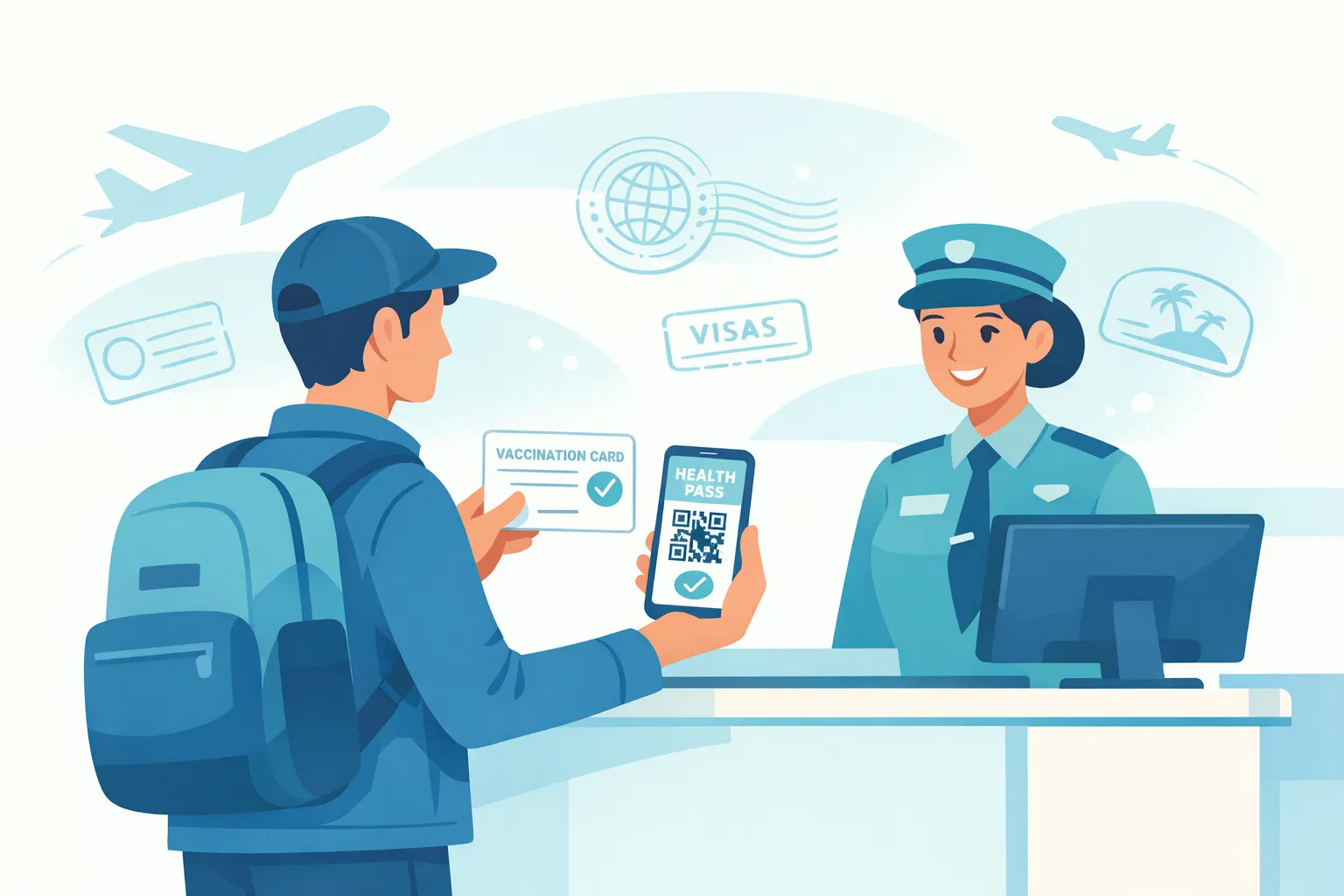
To enter Laos, travelers with chronic conditions should carry a valid passport, a visa (if required), and any relevant medical documentation, such as a physician's letter detailing their condition and prescribed medications. Additionally, proof of vaccinations, particularly against COVID-19, may be necessary. Check the latest requirements with local authorities or official government websites.
Traveling with a chronic condition often involves additional planning and preparation to ensure a safe and smooth journey. When it comes to visiting Laos, understanding the necessary health documents can be crucial. These documents not only facilitate your entry into the country but also ensure that you are prepared for any health-related issues that might arise during your trip.
For those managing a chronic condition, traveling can present unique challenges. Concerns about access to necessary medications, healthcare facilities, and medical support can be daunting. However, with the right preparation and documentation, you can mitigate these concerns and focus on enjoying your travel experience.
It is essential to stay informed about the latest health advisories and entry requirements, which can vary based on your condition and the current global health situation. Keep in mind that health regulations may change, especially in response to emerging health threats like pandemics. Reliable sources such as the World Health Organization (WHO) and the Centers for Disease Control and Prevention (CDC) can provide up-to-date information to help ensure your travel plans proceed smoothly and safely.
What travellers with this condition need to know
Risk of Infectious Diseases
Travelers with chronic conditions should be particularly aware of the risk of infectious diseases when entering Laos. Diseases such as malaria and dengue fever are prevalent in the region, posing significant health risks. According to the CDC, malaria is present throughout the country, and travelers are advised to take preventive measures such as antimalarial medication and using insect repellent to reduce the risk of mosquito bites. For more details, visit the CDC's travel page for Laos.
Access to Medical Facilities
Another important consideration is the limited access to advanced medical facilities in Laos. Travelers with chronic conditions should plan for the possibility that the local healthcare system may not be equipped to handle complex medical needs. The CDC advises that travelers ensure they have adequate health insurance that covers medical evacuation, which may be necessary in case of a severe health issue. It’s prudent to consult with your healthcare provider before traveling to ensure that your condition is stable and to discuss necessary precautions.
Medication Availability and Regulations
Medication availability can be another concern. Certain medications may not be available in Laos, or they may be available under different names or formulations. Travelers should carry a sufficient supply of their medications, along with a copy of their prescriptions and a letter from their physician. It’s important to check with the Laotian consulate or embassy regarding the legality of bringing specific medications into the country. The CDC suggests checking with local resources or contacting a healthcare provider to ensure compliance with local regulations and to avoid any legal issues.
For travelers with chronic conditions, planning is crucial to ensure a safe and enjoyable trip to Laos. It’s advisable to stay informed about potential health risks and to prepare accordingly. For further details and updates, regularly consult authoritative sources such as the CDC travel advisories.
Before you travel: a practical checklist
- Consult your healthcare provider at least 4 to 6 weeks before your trip to ensure you receive all necessary vaccinations and health advice tailored to your chronic condition. This timing allows for any additional treatments or adjustments to medications.
- Verify current vaccination requirements or recommendations for Laos, including for COVID-19 and other diseases, through the CDC's travel health page to ensure you are compliant with entry regulations.
- Secure a letter from your physician detailing your chronic condition, treatment plan, and any specific needs. This document is crucial in case you require medical assistance while abroad.
- Ensure your travel insurance policy covers your chronic condition and any potential medical needs during your stay in Laos. This coverage is essential for accessing care without financial stress.
- Prepare a list of all medications you are taking, including generic names, dosages, and reasons for prescription. This list is vital for customs and if you need to replace lost or damaged medications.
- Confirm with your airline and the Laotian embassy regarding the transport of medications, especially if you require syringes or other medical devices, to avoid issues at customs.
- Research and note down the locations of hospitals and clinics in your destination that are equipped to handle your specific medical needs. This information can be life-saving in an emergency.
- Consider bringing a medical alert bracelet or card that identifies your chronic condition and any critical allergies. This can provide essential information to first responders.
- Ensure you have enough medication to last your entire trip, plus extra in case of delays. This precaution prevents interruptions in your treatment.
- Pack a first aid kit that includes any over-the-counter medications you may need, such as for pain relief or digestive issues, as availability can vary in Laos.
During your trip: managing it abroad
Traveling to Laos with a chronic condition requires proactive management to ensure your health and well-being throughout your stay. Here are some practical strategies to help you manage your condition effectively while abroad:
- Temperature Control for Medications: Laos has a tropical climate, which can affect medication stability. Ensure that medications are stored at the recommended temperatures, usually between 15°C and 30°C (59°F and 86°F). Use insulated pouches or portable coolers to maintain the correct temperature. Always check the medication packaging for specific storage instructions, and consult the CDC Travelers' Health for more advice.
- Dosing Intervals: Adjust your medication schedule to align with the local time zone to maintain the efficacy of your treatment. If you're unsure about how to adjust your schedule, consult your healthcare provider before you travel. For more information on managing medications abroad, refer to the International Society of Travel Medicine.
- Emergency Thresholds: Familiarize yourself with the symptoms that indicate you should seek medical attention immediately. For example, if you experience a persistent fever over 38°C (100.4°F), severe abdominal pain, or difficulty breathing, seek medical help right away. These symptoms could indicate a serious issue and require prompt attention. Always have a list of local medical facilities and their contact information handy.
- Communicating with Pharmacies and Health Professionals: Learn key phrases in the local language to communicate your needs effectively. A useful sentence to tell a pharmacist or medical professional is, "I have a chronic condition and need assistance with my medication." This can help ensure you receive the appropriate support and guidance. For comprehensive health advice, check the WHO travel and health resources.
- Carrying Documentation: Always carry a copy of your prescriptions, a physician's letter detailing your condition, and your HealthPass documentation. This will help local healthcare providers understand your medical history quickly and accurately.
By planning ahead and utilizing these strategies, you can manage your chronic condition effectively while enjoying your trip to Laos. For additional support on medication regulations, consult the INCB: each country's rules for carrying medicines.
How this changes by destination and situation
Traveling with a chronic condition requires adapting your preparation and management strategies to different environmental and situational factors. Understanding how these elements can affect your health helps ensure a safer journey. Here's how various scenarios can impact travelers with chronic conditions entering Laos:
| Situation | What Specifically Changes |
|---|---|
| Heat | Laos experiences high temperatures, which can exacerbate conditions like cardiovascular diseases and affect medication stability. Ensure medications are stored in a cool, dry place and stay hydrated to mitigate heat-related health issues. WHO |
| Altitude | Traveling to high-altitude areas can affect respiratory and cardiovascular conditions. Prepare for gradual acclimatization and consult with a healthcare provider about any necessary medication adjustments. CDC |
| Long-haul Flight | Extended flights increase the risk of deep vein thrombosis (DVT), particularly for those with cardiovascular issues. Wear compression stockings and move around the cabin periodically to promote circulation. ISTM |
| Cruise | While a less common way to enter Laos, cruises require pre-planning for medical care availability. Verify onboard health services, and bring sufficient medication to cover delays. CDC |
| Limited Healthcare Infrastructure | Rural areas in Laos may have less access to healthcare facilities. Pack a comprehensive medical kit and ensure you have an emergency plan in place. Consider travel insurance that includes medical evacuation. WHO |
| Time-Zone Shift | Managing medication schedules across time zones can be challenging. Adjust your medication routine gradually in consultation with your healthcare provider to maintain therapeutic levels. CDC |
Preparation tailored to these scenarios will help you maintain control over your chronic condition while experiencing the rich cultural tapestry of Laos.
In an emergency: what first responders need to know
In an emergency situation, it is crucial for first responders to have immediate access to key medical information about travelers with chronic conditions. This can significantly influence the speed and effectiveness of medical intervention. The most essential information includes the individual's specific chronic condition, any critical allergies, current medications, and emergency contact details. This information should ideally be written in both English and the local language, Lao, to bridge any language barriers and ensure clarity for local medical personnel.
Travelers should carry a medical information card or medical alert bracelet that is easily accessible. The card should be stored in a wallet or purse and include details such as the traveler’s condition, current treatment plan, blood type, and any specific instructions for care. A medical alert bracelet serves as a visible sign that can prompt first responders to look for more detailed information. It’s also advisable to keep digital copies of these details on a smartphone or a cloud-based document service, ensuring that they can be retrieved quickly if needed.
Additionally, travelers should consider downloading and setting up a medical ID feature on their smartphone. Most smartphones have built-in emergency features that can be accessed without unlocking the phone, allowing first responders to view critical health information immediately. This feature can also include emergency contact numbers that responders can call directly.
By preparing these documents and taking advantage of technology, travelers with chronic conditions can help ensure that first responders in Laos have the necessary information to provide prompt and effective care in emergencies. For further guidelines on managing chronic conditions while traveling, consult resources from the World Health Organization and the Centers for Disease Control and Prevention.
How HealthPass helps
HealthPass simplifies your travel preparations by organizing essential health records in one accessible platform. This includes storing your physician’s letter and vaccination certificates, ensuring you have all necessary documents for entry into Laos. This is particularly beneficial for travelers with chronic conditions, as it reduces the risk of forgetting critical paperwork.
When it comes to trip planning, HealthPass provides detailed information on destination-specific health requirements, allowing you to prepare effectively for travel to Laos. It guides you through necessary vaccinations and health precautions, aligned with recommendations from authoritative sources like the CDC and WHO.
In case of an emergency, HealthPass offers an emergency card feature that first responders can access quickly. This card includes crucial information about your chronic condition, current medications, and emergency contacts, which can be vital for prompt medical attention.
With its comprehensive features, HealthPass not only safeguards your health documents but also empowers you to focus on enjoying your trip, knowing that you are fully prepared for any health-related eventuality in Laos.
Create your emergency card — it takes a minute and costs nothing.
Frequently asked questions
Q: Do I need a special visa for entering Laos with a chronic condition?
A: No special visa is required for travelers with chronic conditions entering Laos. However, it's essential to check visa requirements based on your nationality and ensure that all medical documentation is up-to-date. Consult the official Lao government website for the latest entry requirements.
Q: What vaccinations are required for travel to Laos?
A: The World Health Organization recommends vaccinations for hepatitis A, hepatitis B, typhoid, and rabies, among others, when traveling to Laos. Additionally, COVID-19 vaccination may be required. Consult the WHO for a comprehensive list of recommended vaccinations.
Q: Can I bring my prescription medications into Laos?
A: Yes, you can bring prescription medications into Laos, but they should be in their original packaging and accompanied by a physician’s letter. This letter should detail the medication, dosage, and your condition. Check Laos's specific regulations on medication importation before departure.
Q: What should I do if I lose my medical documents in Laos?
A: If you lose your medical documents in Laos, contact your healthcare provider to send digital copies. Having digital backups on platforms like HealthPass ensures you maintain access to essential information. For added security, consider carrying a photocopy of critical documents separately from the originals.
Q: Are there hospitals in Laos that can handle chronic conditions?
A: Yes, major cities in Laos, like Vientiane, have hospitals capable of managing chronic conditions. However, healthcare services may not be as extensive as in other countries. It's advisable to have comprehensive travel insurance that includes medical evacuation if needed.
Q: Will my health insurance cover me while I'm in Laos?
A: Coverage depends on your specific health insurance policy. Check with your provider to ensure your plan covers international travel and chronic condition management in Laos. Consider purchasing additional travel insurance if necessary, focusing on policies that provide coverage for chronic conditions and medical evacuation.
What this guide does not cover
This guide does not cover specific medical advice tailored to individual chronic conditions, as these vary significantly among travelers. For personalized guidance, consult your healthcare provider who can offer advice based on your unique health situation. Additionally, while we provide a general overview of entry requirements for Laos, always verify the latest entry guidelines with official sources like the World Health Organization or relevant government health departments, as regulations can change rapidly. This ensures that you have the most current information and can make informed decisions about your travel plans.
If something happens abroad, the people treating you need your conditions, medications and allergies in seconds — in a language they read.
While this guide aims to provide comprehensive information for travelers with chronic conditions, it does not replace professional medical advice. Always consult your healthcare provider for personalized recommendations. For authoritative travel health information, refer to trusted sources such as the World Health Organization or the Centers for Disease Control and Prevention.
Keep your medications, allergies and vaccinations with you abroad: a travel medical records app with an emergency card a doctor can read in five languages, or print a free emergency card in their language.