Essential Health Documents Needed for Entry into Hong Kong
Travel rules change. HealthPass does not update blog posts after they are published, so please check the current requirements before you travel.
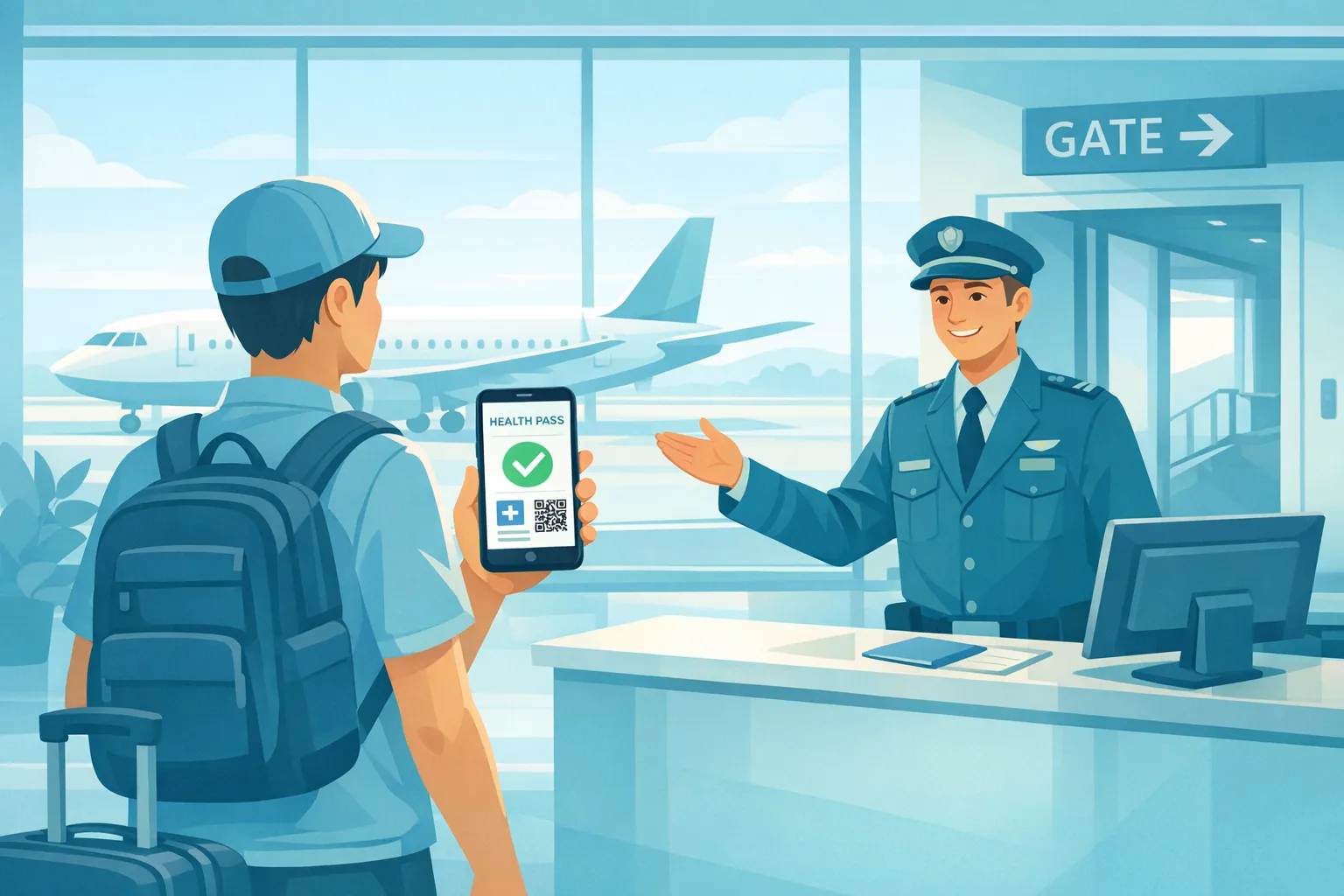
Travelers entering Hong Kong are not required to present specific health documents solely for entry, unless under special circumstances such as health emergencies or official travel advisories. However, having comprehensive health documentation is advisable, especially for those with chronic conditions, to ensure a smooth journey and access to necessary healthcare services if needed.
The key challenge for travelers with chronic conditions lies in understanding what health documentation is necessary to facilitate smooth entry and access to healthcare while abroad. Managing a chronic condition can complicate travel arrangements, but with the right preparation, you can mitigate potential issues. The World Health Organization (WHO) and Centers for Disease Control and Prevention (CDC) emphasize the importance of having a clear record of your medical history and current treatment plan as part of your travel preparations. This is essential not only for entry but also in case you need medical care while in Hong Kong.
Carrying a letter from your healthcare provider detailing your condition, treatment, and any medications you are taking can be invaluable. This letter should include generic names for any medications, as brand names can vary internationally. Furthermore, it is wise to have a copy of your latest prescriptions and any relevant insurance information. Remember, being well-prepared with the necessary health documentation empowers you to travel with confidence, knowing you are equipped to handle any health-related situations that may arise during your trip.
Make your free emergency medical card — in five languages a doctor abroad can read. No sign-up.
What travellers with this condition need to know
Traveling with a chronic condition requires careful preparation to minimize health risks and ensure a smooth journey. While Hong Kong does not mandate specific health documents for entry, understanding and managing potential risks associated with your condition is crucial. Here are key considerations:
Risk of Infection
Individuals with chronic conditions often have compromised immune systems, making them more susceptible to infections. While Hong Kong is a highly urbanized destination with excellent healthcare facilities, travelers should be aware of the risk of infectious diseases common in urban settings, such as influenza and respiratory infections. The CDC advises maintaining up-to-date vaccinations, including the seasonal flu vaccine, to mitigate these risks. It's prudent to check with your healthcare provider for any additional recommended vaccinations specific to your condition.
Managing Medication
Travelers with chronic conditions should plan for medication management. Hong Kong's climate can vary, and the humid subtropical conditions may affect medication storage, especially those requiring temperature control. Ensure you pack medications in their original packaging along with necessary documentation, such as prescriptions or a letter from your healthcare provider, to facilitate customs processes if questioned. The CDC also suggests carrying a sufficient supply to cover unexpected delays. Confirm with local pharmacies in Hong Kong if your medication is available, should you need a refill during your stay.
Air Quality Concerns
Hong Kong occasionally experiences air quality issues, which can exacerbate certain chronic conditions, particularly respiratory and cardiovascular diseases. According to the CDC, travelers should monitor air quality forecasts and take preventive measures such as limiting outdoor activities during high pollution days. Bringing necessary equipment, like masks or portable air purifiers, can help mitigate these risks. Consult with your healthcare provider for personalized advice on managing your condition in environments with varying air quality levels.
For travelers with chronic conditions, staying informed and prepared is key to a successful trip to Hong Kong. Always consult reliable sources and your healthcare provider for the latest travel health advisories and personalized medical advice.
Before you travel: a practical checklist
- Consult with your healthcare provider at least 4-6 weeks before departure to discuss your travel plans and receive any necessary medical advice tailored to your condition; this timeframe allows for adjustments to your treatment plan if needed.
- Ensure your prescriptions are filled for the duration of your trip plus an additional week, in case of travel delays, to maintain your health regimen without interruption.
- Obtain a letter from your doctor detailing your medical condition, medications, and any necessary medical devices; this can be crucial for customs or healthcare providers in Hong Kong.
- Check the CDC travel page for Hong Kong for any health recommendations or required vaccinations before travel, especially if you have a compromised immune system.
- Translate your medical documents into Chinese if possible, as this may facilitate easier communication with local healthcare providers in an emergency.
- Review your travel insurance policy to ensure it covers pre-existing conditions and healthcare needs in Hong Kong, providing peace of mind and financial security.
- Prepare a personal health passport that includes a summary of your medical history, allergies, and emergency contacts, to present in case of unforeseen medical issues.
- Investigate the healthcare facilities in Hong Kong, identifying those with English-speaking staff and capabilities to handle your specific health needs.
- Plan your itinerary around your health needs, ensuring you schedule downtime to manage fatigue or other condition-related symptoms.
- Notify your airline in advance if you require any special accommodations, such as assistance with boarding or specific seating arrangements, to ensure a comfortable journey.
- Familiarize yourself with the local emergency numbers and procedures in Hong Kong, as prompt access to medical services can be critical.
During your trip: managing it abroad
Once you're in Hong Kong, managing your chronic condition effectively involves staying vigilant and having a clear plan. Here’s how you can do it:
- Monitor your condition: Keep track of your symptoms and vital signs daily. For instance, if you have diabetes, ensure your blood glucose levels remain within the target range specified by your healthcare provider. If your blood sugar consistently exceeds 250 mg/dL, seek medical attention immediately. The CDC provides guidelines on managing chronic conditions while traveling.
- Maintain your medication schedule: Use a travel-sized pill organizer to keep your medications sorted by day and time. Set reminders on your phone to alert you when it’s time to take your medication, especially if you cross time zones. For medications requiring refrigeration, check that your hotel provides a mini-refrigerator or use a portable cooler.
- Understand local healthcare options: Familiarize yourself with the location of nearby hospitals and clinics. In Hong Kong, quality healthcare is widely available, but knowing where to go can save precious time in an emergency.
- Communicate effectively: If you need assistance, such as with medication or finding a healthcare facility, knowing the right phrases can be crucial. For instance, if you need to purchase medication, you might say to a pharmacist, “I need this prescription filled. Can you help me with it?” Keep a translated card with your medical condition and medication needs handy.
- Know when to seek help: Have a clear understanding of the symptoms or thresholds that necessitate medical attention. For example, if you experience chest pain lasting more than a few minutes or if you have difficulty breathing, seek immediate care. The ISTM suggests knowing your personal health red flags and having a plan for rapid access to care.
By staying proactive and prepared, you can enjoy your time in Hong Kong while effectively managing your chronic condition. Always carry a copy of your health documents and a list of medications, and ensure you have access to emergency contacts. This approach will not only help you manage your health but also give you peace of mind as you explore the vibrant city.
How this changes by destination and situation
| Situation | Specific Changes |
|---|---|
| Heat | In Hong Kong, summer temperatures can exceed 30°C (86°F) with high humidity. If your chronic condition is sensitive to heat, consider carrying extra hydration and cooling aids. Monitor your condition closely to avoid heat-related complications. CDC Travelers' Health |
| Altitude | While Hong Kong is not at high altitude, nearby destinations may be. If traveling to such areas, be aware that altitude can exacerbate conditions like cardiovascular diseases. Acclimatization strategies should be discussed with your healthcare provider. International Society of Travel Medicine |
| Long-haul Flight | Flights to Hong Kong from many regions can be long. Extended periods of immobility can increase risks of deep vein thrombosis (DVT), especially in those with certain chronic conditions. Consider wearing compression stockings and doing in-seat exercises. CDC Travelers' Health |
| Cruise | If arriving by cruise, note that healthcare facilities on-board may have limitations. Carry all necessary medications and a detailed health history. Be prepared for potential quarantine protocols in case of infectious outbreaks. ECDC topics A-Z |
| Limited Healthcare Infrastructure | While Hong Kong generally has excellent healthcare, excursions to remote areas may not. Prepare for limited access to medical care by carrying a comprehensive medical kit and having a plan for emergency medical evacuation if necessary. WHO travel and health |
| Time-zone Shift | Adjusting to Hong Kong’s time zone can impact medication schedules, especially for conditions like diabetes. Plan for gradual adjustment and consult your healthcare provider on managing medication timing. CDC Travelers' Health |
In an emergency: what first responders need to know
In the unfortunate event of a medical emergency while traveling in Hong Kong, it's crucial that first responders can quickly access vital information about your chronic condition. This information should be easily accessible within thirty seconds to ensure prompt and appropriate medical care.
Key Information for First Responders:
- Medical Condition: Clearly state your chronic condition, such as diabetes, asthma, or heart disease.
- Current Medications: Include a list of your current medications, dosages, and frequency.
- Allergies: Note any allergies, particularly to medications or foods.
- Emergency Contacts: Provide contact information for a family member or friend who can be reached in an emergency.
- Doctor's Information: Include contact details for your primary healthcare provider.
This critical information should be stored in a place that is easily accessible, such as a medical ID card in your wallet, a dedicated medical alert bracelet, or a digital health app like HealthPass on your smartphone. Ensure that any digital device used to store this information is easily accessible and unlocked in an emergency.
Language barriers can pose a challenge in emergency situations. To address this, consider having your health information translated into Chinese, the predominant language in Hong Kong. This translation should accompany your English documentation to facilitate understanding by local first responders who may not speak English fluently.
For more guidance on preparing for international travel with a chronic condition, consult resources from reputable health organizations such as the International Society of Travel Medicine (ISTM) and the Centers for Disease Control and Prevention (CDC).
How HealthPass helps
HealthPass is designed to ease the travel experience for individuals with chronic conditions by integrating crucial health management tools. Firstly, health records within HealthPass allow you to store and organize your medical history securely. This feature ensures that your health information, including medications and treatment plans, is readily available, saving you from carrying physical documents. In a situation where quick access to health data is necessary, this can be invaluable.
Additionally, the trip planning feature assists in coordinating medical needs with travel itineraries. By pre-emptively identifying healthcare facilities near your accommodation in Hong Kong, HealthPass helps ensure you are prepared for any health contingencies that may arise.
For understanding entry requirements, HealthPass provides updated information on destination requirements, empowering you to comply with any evolving health advisories or regulations from authorities like the WHO and CDC. While specific health documents aren't required for Hong Kong, staying informed is crucial.
Lastly, the emergency card feature enables you to create a digital card displaying vital health information. This can be crucial in emergencies, allowing first responders to access essential details swiftly, aligning with the ISTM's recommendations for emergency preparedness.
Start your free HealthPass account — it takes a minute and costs nothing.
Frequently asked questions
Q: Do I need a medical certificate to enter Hong Kong?
A: Generally, you do not need a medical certificate to enter Hong Kong if you have a chronic condition. However, it's advisable to carry one for personal safety, detailing your condition and treatment. This can assist in emergencies or if healthcare services are needed abroad.
Q: What health documents should I carry if I have a chronic condition?
A: Carry a comprehensive medical summary, including a list of current medications and dosages, any allergies, your healthcare provider's contact information, and your HealthPass profile. This documentation can help ensure you receive appropriate care if needed. For more information, visit the CDC website.
Q: Can I bring my medication to Hong Kong?
A: Yes, you can bring personal medication into Hong Kong. Ensure it is in original packaging with clear labels and accompanied by a prescription or a doctor's note. Check with Hong Kong customs regulations to confirm any specific requirements for controlled substances.
Q: What should I do if I lose my medication while in Hong Kong?
A: If you lose your medication, contact a local healthcare provider immediately. Having a copy of your prescription and your HealthPass profile can expedite the process of getting a replacement. Always keep your healthcare provider's contact details accessible for guidance.
Q: Are there any vaccines required for travel to Hong Kong?
A: No specific vaccines are required for entry into Hong Kong. However, the WHO recommends being up-to-date with routine vaccinations. Depending on your health status, additional vaccines may be advised. Consult your healthcare provider in advance of your trip.
Q: How can I manage my chronic condition while traveling?
A: Managing a chronic condition while traveling involves careful planning. Ensure you have a travel health plan and carry necessary medications. Utilize tools like HealthPass to organize medical information. Familiarize yourself with local healthcare services in Hong Kong in case of urgent needs.
What this guide does not cover
While this guide offers extensive advice for travelers with chronic conditions, it does not replace personalized medical advice. Each chronic condition is unique, and travel needs can vary significantly from one individual to another. For personalized recommendations, you should consult your healthcare provider, ideally a travel medicine specialist certified by the International Society of Travel Medicine (ISTM). They can offer tailored advice based on your specific health status and destination. Additionally, this guide does not cover entry requirements related to infectious diseases, which can change rapidly. For the most current information, visit the Centers for Disease Control and Prevention (CDC) or World Health Organization (WHO) websites.
Keep this checklist, your medications and your documents in one place you can open at a border, a pharmacy or an emergency room.
This guide is not a substitute for professional medical advice, diagnosis, or treatment. Always seek the advice of your physician or other qualified health provider with any questions you may have regarding your condition prior to traveling. For more information on travel health, visit the World Health Organization at who.int.
Keep your medications, allergies and vaccinations with you abroad: a travel medical records app with an emergency card a doctor can read in five languages, or print a free emergency card in their language.