Essential Health Documents Needed for Entry into Denmark
Travel rules change. HealthPass does not update blog posts after they are published, so please check the current requirements before you travel.
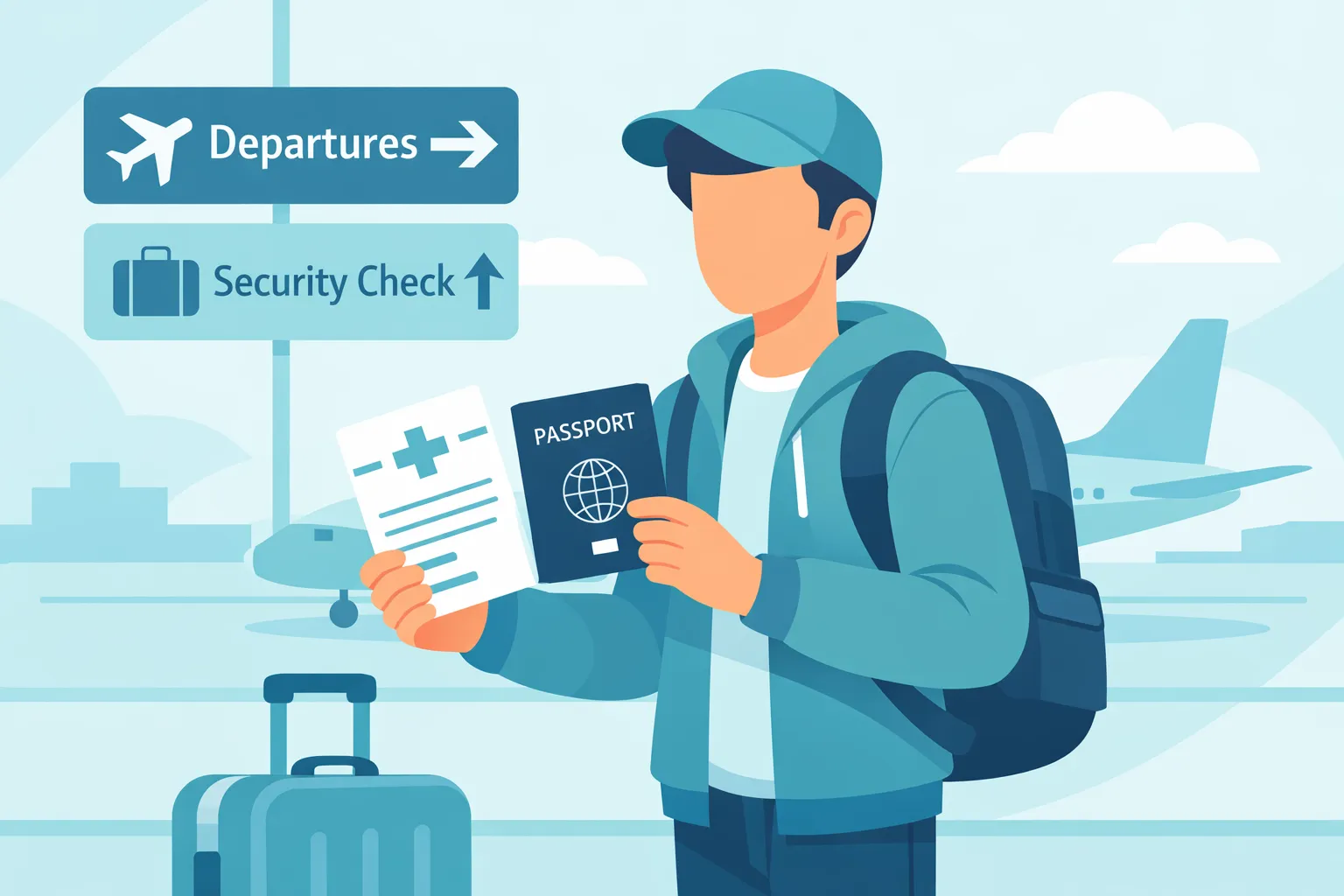
Travelers entering Denmark do not require specific health documents related to chronic conditions. However, carrying comprehensive medical records, including a summary of your condition and treatments, is advisable for ease of healthcare access abroad. Ensuring these documents are up-to-date and translated into English can facilitate smoother interactions with healthcare providers.
If you have a chronic condition, you may be concerned about managing your health needs while traveling to Denmark. The stress of navigating foreign healthcare systems, potential language barriers, and the fear of a health crisis may feel daunting. However, with proper preparation, you can enjoy a worry-free journey.
Begin by gathering essential health information such as a detailed medical history, medication list, and treatment plans. The CDC recommends keeping these documents on hand, particularly if your condition requires ongoing monitoring or treatment adjustments. This preparation ensures continuity of care and empowers you to manage your health independently.
It’s vital to understand that while Denmark's healthcare system is robust, it may differ from your home country. Familiarizing yourself with the local healthcare protocol can be beneficial. The WHO advises travelers to have their physician's contact information and insurance details readily available, which can expedite care in emergencies.
Ultimately, planning and being well-informed can transform potential challenges into manageable situations, allowing you to focus on enjoying your travel experience. Your health should never be a barrier to exploring new destinations, and with the right preparation, it doesn’t have to be.
Make your free emergency medical card — in five languages a doctor abroad can read. No sign-up.
What travellers with this condition need to know
Risk of Infection
Travellers with chronic conditions should be aware of the heightened risk of infections. Chronic conditions can compromise the immune system, making it easier to contract illnesses such as respiratory infections or the flu while traveling. The CDC advises that all travelers to Denmark ensure they are up-to-date with routine vaccines, including measles, mumps, rubella (MMR) and diphtheria-tetanus-pertussis (DTP). For those with chronic conditions, getting a flu vaccine is particularly important before travel to prevent complications.
Medication Accessibility
Access to medications is another critical concern for travelers with chronic conditions. While Denmark has a robust healthcare system, the availability of specific medications may vary. The CDC recommends that travelers bring an ample supply of their medications, ideally in their original packaging along with copies of their prescriptions. This can prevent disruptions in treatment due to potential delays or the unavailability of particular medications abroad. It's also prudent to check Denmark's regulations on carrying medications, which can be verified through the country’s embassies or consulates.
Exacerbation of Chronic Conditions
Travel stress and changes in environment can exacerbate chronic conditions. Factors such as changes in climate, diet, and routine may lead to flare-ups. For instance, those with respiratory conditions should be aware of any pollen or air quality issues in Denmark. While Denmark generally has good air quality, travelers can monitor local environmental conditions through resources like local health departments or weather services. The CDC suggests maintaining a routine as close to the one at home as possible to mitigate these risks.
For comprehensive, personalized guidance, travelers should consult with their healthcare providers prior to departure. Providers can offer specific advice tailored to individual health needs, including any additional vaccinations or preventive measures that may be necessary. Additionally, the CDC's travel health notices are a valuable resource for staying informed about current health risks in Denmark and other destinations.
Before you travel: a practical checklist
- Consult with your healthcare provider at least six weeks before your trip to discuss travel plans and ensure your chronic condition is well-managed. This allows time for any necessary adjustments in treatment or prescriptions.
- Obtain a detailed medical summary from your doctor, including your diagnosis, treatment plan, and a list of medications. This ensures that healthcare providers abroad have accurate information in case of emergency care needs.
- Check the current health advisories and vaccination recommendations for Denmark on the CDC website (cdc.gov). This helps you stay informed about any required or recommended vaccines.
- Ensure your routine vaccinations are up to date, as recommended by the CDC, to protect against preventable diseases while traveling internationally.
- Prepare a translated version of your medical documents if you do not speak Danish, to facilitate clear communication with healthcare providers in Denmark.
- Verify your health insurance coverage abroad, including coverage for your chronic condition, to avoid unexpected expenses in case of medical care needs.
- Carry an extra supply of your medications, ideally enough for the duration of your trip plus an additional week, in case of travel delays. Keep them in their original packaging with clear labels.
- Have a letter from your physician detailing your prescription medications and why they are necessary, which can be useful if questioned by customs officials.
- Research the location of medical facilities near your accommodation in Denmark that can handle your specific healthcare needs, ensuring prompt access if required.
- Inform your travel companions about your chronic condition and what to do in case of an emergency, providing them with relevant contact information for your healthcare provider.
During your trip: managing it abroad
Traveling with a chronic condition to Denmark requires careful management to ensure a smooth and enjoyable experience. Being proactive about your health needs can significantly mitigate potential complications. Here are some practical strategies to help manage your condition while traveling:
- Medication Management: Maintain a consistent medication schedule by setting alarms on your phone. If changing time zones, adjust your dosing gradually to maintain therapeutic levels. Carry medications in their original packaging along with a copy of your prescriptions. If you need a refill, the exact sentence to say to a pharmacist is: "Can you help me refill this medication with the same active ingredient?"
- Temperature and Medication Storage: Certain medications require specific storage conditions. For instance, insulin should be kept between 2°C and 8°C. Always verify storage requirements with your pharmacist. If your medication requires refrigeration and you are flying, inform the cabin crew by saying: "I need to store my medication in a refrigerated space. Could you assist with this?"
- Hydration and Nutrition: Stay hydrated by drinking at least 2 liters of water daily, especially if your condition requires it. If dietary restrictions apply, research local cuisine in advance to identify suitable options. Denmark offers a range of fresh produce and health-conscious meals.
- Recognizing Symptoms: Be aware of symptoms that might indicate a need for medical attention. For instance, if you experience a fever above 38°C, shortness of breath, or persistent pain, seek medical help promptly. The CDC advises that such symptoms may require immediate intervention (cdc.gov).
- Communication: Language barriers can be a challenge. Consider carrying a phrasebook or downloading a translation app. Knowing a few key phrases in Danish, like "Jeg har en kronisk sygdom" (I have a chronic illness), can be beneficial in emergencies.
By following these guidelines, you can manage your chronic condition effectively while enjoying your time in Denmark. Remember to always have your HealthPass accessible, as it provides a comprehensive view of your health status, ensuring seamless communication with healthcare providers abroad.
How this changes by destination and situation
Traveling with a chronic condition requires adaptability to diverse environments. Here’s how different situations might affect your health management while in Denmark or traveling elsewhere.
| Situation | What Changes |
|---|---|
| Heat | High temperatures can exacerbate symptoms of certain chronic conditions, such as cardiovascular diseases. Stay hydrated and seek shaded areas. For more on managing in hot climates, consult the CDC Travelers' Health. |
| Altitude | If traveling to regions with higher altitudes, oxygen levels may affect those with respiratory or cardiovascular conditions. It's crucial to monitor symptoms and adjust physical activities accordingly. Learn more from the WHO travel and health. |
| Long-haul flight | Extended periods of immobility can increase the risk of deep vein thrombosis, especially for individuals with circulatory issues. Regular movement and hydration are essential. For more tips, visit the WHO fact sheet index. |
| Cruise | Cruise ships can have limited medical facilities, which may not cater to all chronic conditions. Ensure you carry sufficient medication and have a detailed medical summary. Resources are available at the International Society of Travel Medicine. |
| Limited healthcare infrastructure | Access to specialized healthcare may be limited in rural or less developed areas. Keep emergency contacts and a list of local medical facilities handy. Check the ECDC topics A-Z for further guidance. |
| Time-zone shift | Adjusting medication schedules across time zones can be challenging. Plan dosing times in advance to maintain efficacy and minimize side effects. For detailed advice, refer to the INCB. |
In an emergency: what first responders need to know
In the event of a medical emergency while traveling in Denmark, it is crucial for first responders to have immediate access to essential information about your chronic condition. This can significantly influence the treatment you receive and improve outcomes. Here’s what you need to ensure is readily available:
- Medical Summary: Carry a concise medical summary that includes your diagnosis, current medications, allergies, and any specific emergency protocols. This should be easily accessible, ideally in both English and Danish, to overcome language barriers. A translation app can also be useful in such situations.
- Emergency Contact Information: Include contact details for your primary healthcare provider and a family member or friend who is familiar with your health history. This information should be stored in your phone under “ICE” (In Case of Emergency) and printed alongside your medical summary.
- Identification of Condition: Wearing a medical alert bracelet or necklace that clearly states your condition, such as “Diabetes” or “Epilepsy,” can quickly inform first responders of critical health information.
- Health Insurance Details: Keep a copy of your travel insurance policy or card in your wallet, specifying coverage for emergencies related to your chronic condition. This can facilitate a seamless process in receiving prompt care.
Being prepared with these documents ensures that first responders can act swiftly and appropriately. According to the CDC, having comprehensive health information available can prevent critical delays in emergency situations. Remember, your ability to communicate this vital information might be impaired during an emergency, so having it prominently displayed or easily accessible is imperative.
How HealthPass helps
HealthPass empowers travelers with chronic conditions by streamlining health documentation for a stress-free journey to Denmark. First, HealthPass enables you to securely store and manage your health records. This ensures that your comprehensive medical history, including details of your chronic condition, is readily accessible should you need medical assistance abroad. This feature saves you from the hassle of carrying multiple paper documents and guarantees quick access for healthcare providers.
The trip planning tool in HealthPass helps you stay informed about Denmark’s healthcare infrastructure and any specific considerations for travelers with chronic conditions. This can include nearby medical facilities or pharmacies, which aids in preparing for any unforeseen health needs during your stay.
HealthPass also updates you on destination requirements, providing clarity on what health-related documentation is advisable when entering Denmark. This feature ensures you are well-prepared and compliant with local expectations.
Finally, the HealthPass emergency card offers an invaluable resource in crises. It contains essential information about your chronic condition, treatments, and emergency contacts. This card can be quickly accessed by first responders, ensuring they have the critical information needed to provide effective care.
Create your emergency card — it takes a minute and costs nothing.
Frequently asked questions
Q: Do I need a specific health certificate to enter Denmark with a chronic condition?
A: No specific health certificate is required to enter Denmark if you have a chronic condition. However, carrying comprehensive medical documentation, such as a detailed summary of your condition and current treatments, is highly recommended to facilitate any necessary healthcare interactions while abroad.
Q: Can I bring my medications into Denmark?
A: Yes, you can bring your medications into Denmark, but it's essential to carry them in their original packaging along with a copy of your prescription. Ensure that your medications are legal in Denmark and check the Danish Medicines Agency website for any specific regulations or restrictions.
Q: Should I carry a letter from my doctor when traveling to Denmark?
A: Yes, carrying a letter from your doctor is advisable. The letter should outline your chronic condition, current treatment plan, and any medications you are taking. This can be invaluable in case you need to consult a healthcare provider while in Denmark.
Q: What vaccinations are recommended for travelers with chronic conditions going to Denmark?
A: While there are no mandatory vaccinations for Denmark, travelers with chronic conditions should ensure they are up-to-date with routine vaccines, including influenza and pneumococcal vaccines. Consult with your healthcare provider for personalized advice. For more information, visit the WHO website.
Q: What should I do if I run out of medication while in Denmark?
A: If you run out of medication in Denmark, visit a local healthcare provider with your medical documents and prescription copies. They can assist in obtaining a local prescription. The European Centre for Disease Prevention and Control (ECDC) offers further guidance on accessing healthcare in Europe.
Q: Is travel insurance necessary for someone with a chronic condition traveling to Denmark?
A: Yes, travel insurance is highly recommended for anyone with a chronic condition. Ensure your policy covers pre-existing conditions and any potential medical needs while abroad. Consult the CDC for guidance on selecting the right travel insurance plan for your needs.
What this guide does not cover
This guide does not cover the specific vaccination requirements or recommendations for travelers with chronic conditions entering Denmark. Such requirements can vary based on individual health circumstances and current health advisories. For comprehensive, personalized advice about vaccinations, travelers should consult their healthcare provider or a travel medicine specialist. Additionally, authoritative sources such as the World Health Organization (WHO) and the Centers for Disease Control and Prevention (CDC) offer updated travel health notices and vaccination guidelines specific to destinations worldwide. Engaging with these resources ensures your travel plans align with the latest health advisories.
If something happens abroad, the people treating you need your conditions, medications and allergies in seconds — in a language they read.
While this guide offers insights into managing chronic conditions during travel, it does not substitute professional medical advice. Always consult with your healthcare provider for personalized recommendations. For further information on chronic conditions and travel, visit the World Health Organization at who.int or the Centers for Disease Control and Prevention at cdc.gov.
Keep your medications, allergies and vaccinations with you abroad: a travel medical records app with an emergency card a doctor can read in five languages, or print a free emergency card in their language.