Essential Health Documents for Entering Switzerland
Travel rules change. HealthPass does not update blog posts after they are published, so please check the current requirements before you travel.
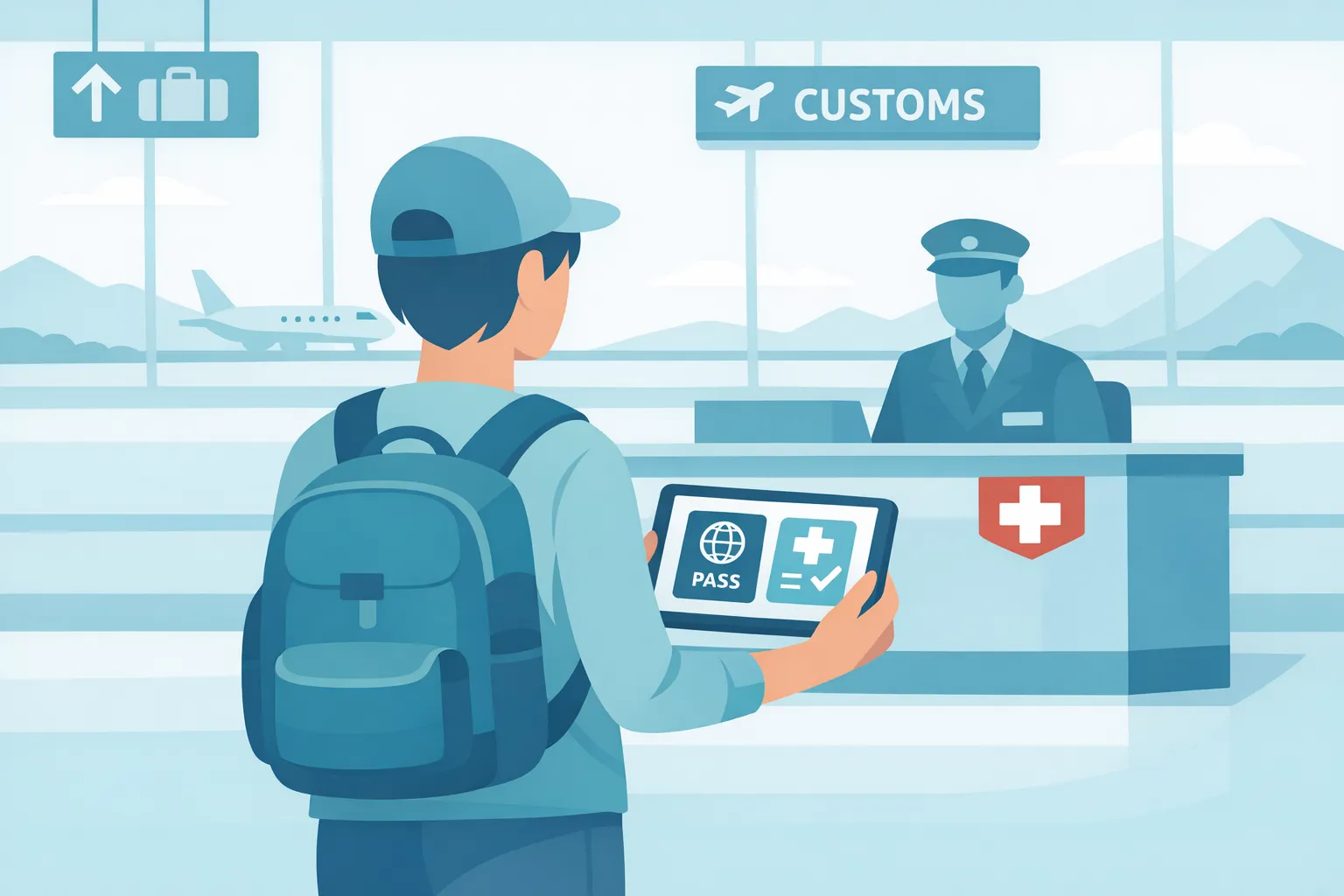
Travelers entering Switzerland are not required to present specific health documents related to chronic conditions. However, having comprehensive medical documentation can facilitate a smoother journey. Travelers with chronic conditions often face unique challenges, such as managing medication supplies, anticipating potential health issues, and navigating foreign healthcare systems. Understanding the health documentation necessary for entering Switzerland can help alleviate these concerns.
For individuals with chronic conditions, preparation is key. While Switzerland does not mandate specific health documents upon entry, carrying certain documents can be invaluable. These may include a detailed medical history, a list of current medications with dosages, and a letter from a healthcare provider outlining the condition and any special medical needs. Such documentation can be crucial in emergency situations, ensuring that healthcare professionals can provide appropriate care promptly.
The World Health Organization (WHO) advises travelers to have their medical information readily accessible, especially those with pre-existing health conditions. This recommendation is not only relevant for entry into Switzerland but for any travel destination. Additionally, the Centers for Disease Control and Prevention (CDC) recommends that travelers with chronic conditions discuss their travel plans with their healthcare provider to ensure they are adequately prepared for potential health challenges abroad (CDC, WHO).
By understanding what is required and recommended, travelers with chronic conditions can confidently embark on their Swiss adventure, knowing they are prepared and well-informed.
Make your free emergency medical card — in five languages a doctor abroad can read. No sign-up.
What travellers with this condition need to know
Travelers with chronic conditions planning a trip to Switzerland should be aware of specific health risks and understand how their conditions might be impacted by the travel environment. Awareness and preparation are key to managing health effectively while abroad.
Altitude Effects
Switzerland's beautiful landscapes include high-altitude regions, such as the Alps. Altitude can pose specific risks for individuals with chronic heart or respiratory conditions. At higher altitudes, the air contains less oxygen, which can exacerbate symptoms in individuals with conditions like chronic obstructive pulmonary disease (COPD) or heart failure. Symptoms may include shortness of breath, increased heart rate, and fatigue. It is advisable to consult a healthcare provider before travel to assess any potential risks and discuss possible preventive measures. For more details, visit the CDC's travel health page for Switzerland.
Temperature Variations
Switzerland experiences significant temperature variations, which can affect those with chronic conditions. Cold weather can be particularly challenging for people with arthritis or Raynaud's disease, as it may exacerbate joint pain or cause vascular spasms. On the other hand, warmer temperatures may increase the risk of dehydration, which can impact individuals with kidney conditions or those on diuretics. It is important to monitor weather forecasts and pack appropriate clothing to manage these conditions effectively. Additional information on managing health in various climates can be found on the WHO travel and health page.
Medication Management
Travelers with chronic conditions often require regular medication. Switzerland has specific regulations regarding the importation of medications, and it is crucial to carry a sufficient supply along with the appropriate documentation, such as a doctor's letter or prescription. For more information on country-specific regulations for carrying medicines, travelers can refer to the INCB's country regulations page. Ensuring that medications are clearly labeled with the traveler's name and dosage instructions can prevent complications at customs.
To ensure a safe and enjoyable trip, travelers should proactively manage their health by understanding these risk factors and seeking appropriate advice from healthcare professionals. Being well-prepared allows for a fulfilling travel experience, even with chronic conditions.
Before you travel: a practical checklist
- Consult with your healthcare provider at least 4 to 6 weeks before your trip to ensure your chronic condition is well-managed and to discuss any travel-related concerns specific to your health. Early consultation allows time for any necessary adjustments to your treatment plan.
- Obtain a letter from your doctor detailing your medical history, diagnosis, current medications, and any allergies. This letter will be invaluable if you need medical care while in Switzerland.
- Check the CDC's travel health notices for Switzerland to be informed about any health advisories or vaccination recommendations that may be relevant to your condition.
- Ensure you have enough medication to last the entire duration of your stay, plus extra in case of delays. This is crucial as some medications might not be readily available or may differ internationally.
- Keep your medications in their original labeled containers and carry a copy of your prescriptions. This helps with customs checks and in case you need to refill your prescriptions abroad.
- Review your travel health insurance to confirm coverage for pre-existing conditions while in Switzerland. This ensures that you can access necessary healthcare services without financial strain.
- Research and note the locations of healthcare facilities near your accommodation in Switzerland, especially those that specialize in your chronic condition, to ensure quick access to care if needed.
- Prepare a list of emergency contacts, including family members and your healthcare provider, and keep this list easily accessible.
- Ensure your travel companions are informed about your condition and know what to do in case of an emergency. This awareness can be critical in ensuring prompt and effective assistance.
- Consider wearing a medical alert bracelet indicating your chronic condition. In emergencies, this can provide immediate knowledge to first responders when every second counts.
During your trip: managing it abroad
Traveling with a chronic condition requires thoughtful management, especially once you arrive in Switzerland. Here are some practical strategies to help you maintain your health while enjoying your journey:
- Temperature Control for Medications: Ensure that medications requiring refrigeration, such as insulin, are stored between 2°C and 8°C. If in doubt, ask your hotel for a mini-fridge or use a portable cooler. Always carry a thermometer to monitor temperatures.
- Medication Timing: Adjust your medication schedule to account for time zone changes. For example, if a medication is taken every 8 hours, maintain that interval to ensure efficacy, even if it means setting alarms to remind you.
- Recognizing Symptoms: Be aware of thresholds that necessitate medical attention. For instance, if experiencing persistent dizziness, chest pain, or a sudden increase in symptoms, it’s crucial to seek medical help immediately. Use the phrase, “I need to see a doctor,” which is understood in many languages.
- Pharmacy Assistance: When visiting a pharmacy, clearly state your needs. For example, say, “I need this medication in 500 mg tablet form,” and show your prescription to avoid language barriers. Pharmacists in Switzerland are well-trained and can assist with medication queries.
- Communicating During Travel: Inform cabin crew of your condition and medication requirements at the start of your flight. You can say, “I have a chronic condition and may need assistance with medication,” to ensure they are prepared to help if needed.
- Emergency Contacts: Have a list of local emergency numbers and healthcare facilities in Switzerland, such as hospitals and clinics, that are near your accommodation. This information is available on the CDC destination pages and can be critical in an emergency.
Staying informed and prepared allows you to manage your chronic condition effectively while traveling. For more comprehensive guidance, including understanding the healthcare system in Switzerland, visit the WHO travel and health page.
How this changes by destination and situation
Travelers with chronic conditions need to be particularly aware of how different travel situations can impact their health. Here’s a breakdown of common travel scenarios and their implications:
| Situation | What Changes |
|---|---|
| Heat | High temperatures can exacerbate certain chronic conditions, such as cardiovascular or respiratory disorders. Ensure adequate hydration and consider scheduling outdoor activities during cooler parts of the day. Refer to WHO's resources on managing health in hot climates for more information: WHO travel and health. |
| Altitude | Traveling to high-altitude areas can affect individuals with cardiac or respiratory conditions. Symptoms of altitude sickness can include headaches and shortness of breath. Consult with your healthcare provider on preventive measures before your trip. See more at CDC's travel health page: CDC Travelers' Health. |
| Long-Haul Flight | Extended periods of immobility may increase the risk of deep vein thrombosis. Travelers with circulatory conditions should consider compression stockings and regular movement during flights. For guidelines, visit CDC Travelers' Health. |
| Cruise | Cruise ship environments can present unique challenges, including motion sickness and limited medical facilities. Ensure you have ample medication and know the ship's medical capabilities. The ISTM provides further insights: ISTM. |
| Limited Healthcare Infrastructure | In areas with limited healthcare access, self-management and preparedness are crucial. Carry a detailed health summary and ensure you have sufficient medication. For more on healthcare access, explore ECDC resources: ECDC topics A-Z. |
| Time-Zone Shift | Adjusting to a new time zone can disrupt medication schedules and sleep patterns. Plan an adapted medication routine with your healthcare provider before departure. For general guidance on managing health during travel, visit WHO travel and health. |
In an emergency: what first responders need to know
In the event of an emergency, it's crucial that first responders have immediate access to essential health information about travelers with chronic conditions. The first 30 seconds can be critical, and the information should be concise and easily accessible to aid in effective treatment.
Key information includes:
- Medical Condition: A brief description of your chronic condition(s).
- Medications: A list of current medications, including dosages and any known allergies.
- Emergency Contacts: Contact details for your primary healthcare provider and an emergency contact person.
- Treatment Protocols: Any specific treatment protocols or considerations relevant to your condition.
This vital information should be kept in a clearly labeled health document, such as a medical alert card or bracelet. Carry this document on your person at all times, ideally in multiple languages to bridge any language barriers that might occur in Switzerland. A digital version of your health information can also be stored on your smartphone for quick access.
According to the CDC, having a personal health record can significantly improve the quality of care you receive in an emergency situation by ensuring that first responders are well-informed from the outset. This is particularly important in international settings where language and healthcare protocols may differ.
By taking these precautions, you empower yourself and the medical professionals who may assist you, ensuring that you receive the most appropriate care possible during your stay in Switzerland.
How HealthPass helps
HealthPass offers a suite of capabilities that streamline travel planning and enhance safety for travelers with chronic conditions. The platform's health records feature allows users to securely store and easily access all their medical documentation, including details about their chronic condition, medications, and treatment plans. This ensures that all necessary information is at your fingertips, reducing stress and potential complications at border crossings or during medical consultations abroad.
For planning your trip, HealthPass provides a trip planning tool that integrates your health needs with travel logistics. This ensures you are prepared for Switzerland’s healthcare system and have the contingency plans in place if your condition requires attention.
Understanding entry requirements is simplified with HealthPass’s destination requirements feature. This feature offers tailored information about health-related entry stipulations, helping you to comply with Swiss regulations and avoid unexpected issues at customs.
In emergencies, the emergency card feature is invaluable. It provides first responders with quick access to your critical medical information, ensuring timely and appropriate treatment. This can be a life-saving tool, offering peace of mind that your health details are readily available if needed.
Start your free HealthPass account — it takes a minute and costs nothing.
Frequently asked questions
Q: Do I need any specific health documents for entering Switzerland if I have a chronic condition?
A: No specific health documents are required to enter Switzerland, but carrying comprehensive medical records can be beneficial. This includes a letter from your doctor detailing your condition and medication needs. For more guidance, refer to the World Health Organization's recommendations on travel health.
Q: How can I ensure my medications are allowed in Switzerland?
A: Check the Swiss Customs Administration website for information on medication importation rules. Always carry medications in their original packaging along with a prescription or doctor's letter to avoid complications at customs.
Q: Are there any vaccinations required for entering Switzerland?
A: Switzerland does not require specific vaccinations for entry unless you are arriving from a yellow fever endemic area. For the latest updates, consult the World Health Organization’s website on vaccination requirements.
Q: What should I do if my medication is lost or runs out while in Switzerland?
A: Visit a local pharmacy or hospital with your prescription or doctor’s letter. Swiss health facilities are well-equipped and can assist in sourcing your medication. For chronic conditions, having a detailed medication list is crucial.
Q: How do I access medical care in Switzerland if needed?
A: Switzerland has an excellent healthcare system. For immediate care, visit a hospital or clinic. Carry your health insurance details, as healthcare can be costly without it. The CDC advises international travelers to have comprehensive health insurance.
Q: Can I use my home health insurance in Switzerland?
A: This depends on your insurance policy. Many international travelers opt for additional travel insurance that covers healthcare abroad. Check with your insurer about coverage specifics and consider supplemental insurance if necessary. The CDC offers advice on travel insurance considerations.
What this guide does not cover
This guide does not cover personal medical advice tailored to individual health conditions. While we provide general guidance, specific recommendations should always come from your healthcare provider, who understands your unique medical history and needs. Additionally, this guide does not address the health documentation requirements for other countries that you might visit en route to or from Switzerland. For detailed travel health advice, consult reliable sources such as the World Health Organization (WHO) or the Centers for Disease Control and Prevention (CDC), which offer extensive resources on travel health and safety.
Keep this checklist, your medications and your documents in one place you can open at a border, a pharmacy or an emergency room.
Travelers are advised to consult official health organizations such as the World Health Organization (WHO) and Centers for Disease Control and Prevention (CDC) for guidance on managing chronic conditions while traveling. Always rely on professional medical advice personalized to your condition. Visit WHO and CDC for more information.
Keep your medications, allergies and vaccinations with you abroad: a travel medical records app with an emergency card a doctor can read in five languages, or print a free emergency card in their language.