Essential Health Documents Needed for Entering Belgium
Travel rules change. HealthPass does not update blog posts after they are published, so please check the current requirements before you travel.
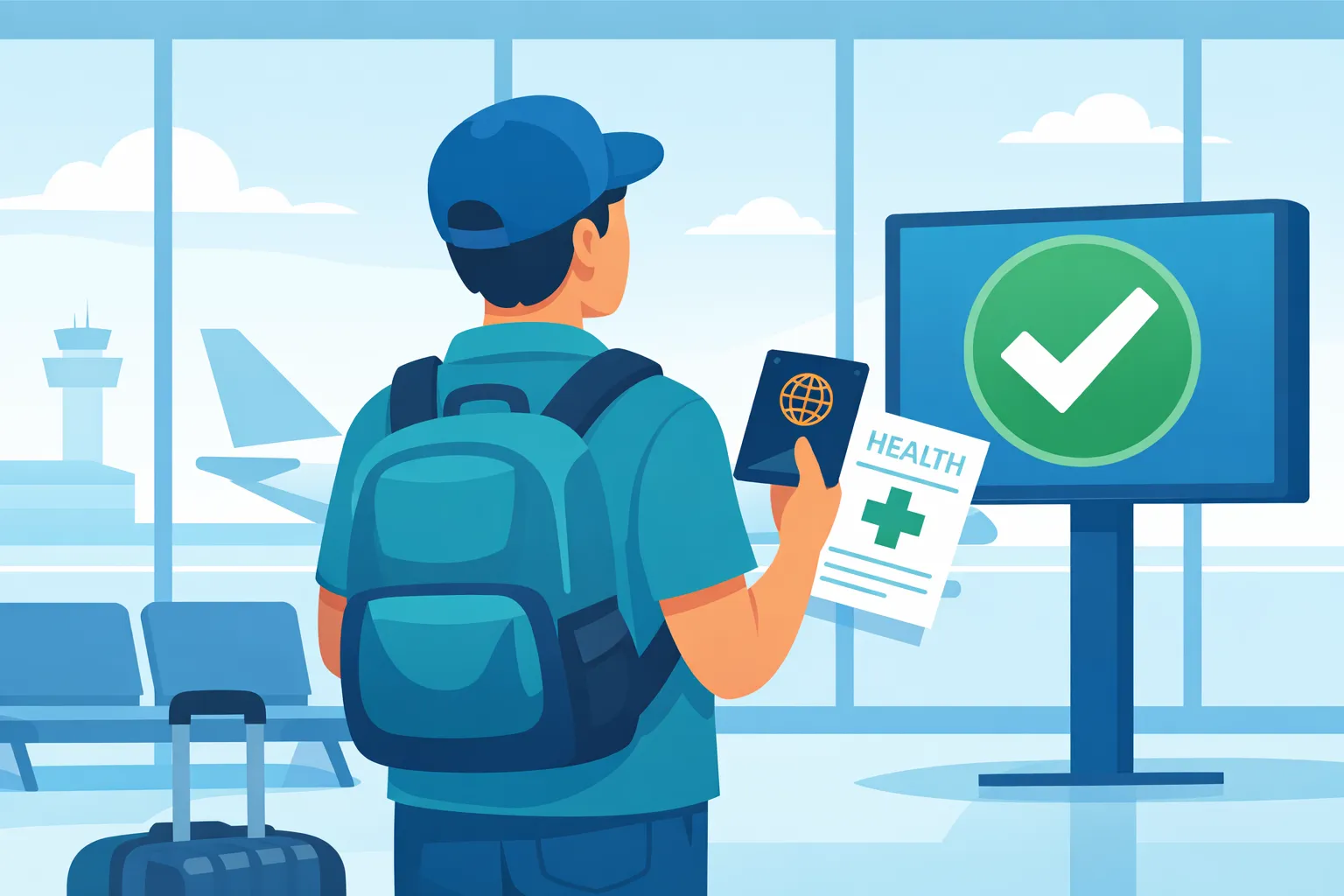
To enter Belgium, travelers must have a valid passport, a Schengen visa (if required), and health insurance coverage. For those with chronic conditions, carrying a comprehensive medical summary and necessary medications is crucial. Ensuring you have the appropriate health documents will facilitate a smooth entry and provide peace of mind during your travels.
Traveling with a chronic condition requires careful preparation, and maintaining the right documentation is an essential part of this process. While Belgium does not impose specific health document requirements beyond those generally necessary for entry, having complete and accessible health records can greatly ease any potential medical interactions you may encounter during your stay.
The World Health Organization (WHO) emphasizes the importance of carrying a detailed medical summary, including information on your condition, current medications, and any special requirements. This is particularly important if you have a condition that may require medical attention while abroad, such as diabetes or heart disease. Additionally, the Centers for Disease Control and Prevention (CDC) advises that travelers with chronic conditions should have adequate health insurance that covers medical expenses in Belgium.
By organizing these documents in advance, you can ensure that you are fully prepared for your journey, allowing you to focus on enjoying your trip rather than worrying about potential health issues. Remember, a little preparation goes a long way in ensuring a safe and enjoyable travel experience.
Make your free emergency medical card — in five languages a doctor abroad can read. No sign-up.
What travellers with this condition need to know
Understanding Medication Regulations
Travelers with chronic conditions must be aware that Belgium, like many countries, has specific regulations regarding the importation of medications. It's essential to carry a copy of your prescription and ensure that your medications are clearly labeled with your name, the prescribing physician's details, and the medication's name. The CDC's travel page for Belgium does not specify particular restrictions but advises travelers to confirm with Belgian authorities about any medications that may be controlled substances. You should contact the Belgian embassy or consulate for the most current regulations regarding your specific medications.
Managing Chronic Conditions During Travel
Traveling can pose unique challenges for individuals with chronic conditions, particularly regarding changes in routine and environment. For instance, those with diabetes might face issues related to meal timing and insulin storage. It's crucial to manage these risks by planning your meals and ensuring you have a reliable means to store insulin at the correct temperature. The CDC emphasizes the importance of continuous monitoring and adjustment of your management plan to suit travel demands. Always keep your health documents and medication accessible as you navigate airports, customs, and other checkpoints.
Potential Health Risks in Belgium
While Belgium is generally considered a low-risk destination for health issues, travelers should still be cognizant of potential risks that might exacerbate their chronic conditions. For example, urban areas may expose individuals to higher levels of air pollution, which can impact respiratory conditions such as asthma. The CDC advises monitoring air quality reports and adjusting your plans accordingly. Furthermore, understanding that medical facilities in Belgium meet high standards will reassure travelers needing medical attention during their stay. Nonetheless, being prepared with health documents and understanding the local healthcare system can significantly mitigate risks.
Travelers with chronic conditions should regularly check the CDC's travel health notices and consult their healthcare provider for personalized advice. This proactive approach ensures that any specific concerns related to the destination are addressed, providing peace of mind and a safe journey.
Before you travel: a practical checklist
- Obtain a letter from your healthcare provider detailing your chronic condition and treatment plan, as this can assist medical professionals in Belgium if needed.
- Ensure your health insurance includes international coverage, as this is a requirement for entering Belgium and will protect you against unexpected medical costs abroad.
- Check with the Belgian embassy or consulate regarding any specific entry requirements related to your condition, as regulations can change and vary by nationality.
- Schedule a medical appointment at least 4 weeks before your departure to discuss your travel plans and ensure your condition is stable for travel.
- Carry a sufficient supply of your medication, packed in your carry-on luggage, along with a copy of your prescriptions to comply with Belgian medication regulations.
- Research the location of hospitals and clinics near your accommodation in Belgium to ensure you have quick access to care if needed.
- Consider obtaining a translated version of your medical documents in French or Dutch, as these are the official languages of Belgium.
- Register with your country’s embassy or consulate in Belgium to receive important updates and assistance if an emergency arises.
- Ensure your vaccinations are up-to-date as per CDC recommendations, as this will help protect you from preventable diseases while traveling CDC.
- Pack a travel first-aid kit with essential medical supplies tailored to your condition, as this can help manage minor health issues and provide peace of mind.
During your trip: managing it abroad
Managing a chronic condition while traveling in Belgium requires proactive strategies to ensure your health and safety. Here are some practical tips to help you navigate your trip:
- Temperature-sensitive medications: If your medication requires refrigeration, ensure it's stored between 2°C and 8°C. Many hotels can provide a refrigerator upon request. If you're flying, inform the airline in advance and request access to an onboard refrigerator. You can say, “Excuse me, I need to store my medication at a temperature between 2°C and 8°C. Could you assist me with this?”
- Dosing intervals and time zones: Belgium operates on Central European Time (CET). Adjust your medication schedule gradually by 1-2 hours each day to align with the local time. This minimizes disruption to your treatment plan. Consult with your healthcare provider for personalized advice.
- Pharmacy access: Pharmacists in Belgium are well-trained and can assist with medication-related inquiries. If you need help, use this phrase: “Bonjour, pourriez-vous m'aider avec une question concernant mes médicaments? Je prends [name of medication] pour [condition].” This translates to, “Hello, could you help me with a question about my medication? I am taking [name of medication] for [condition].”
- Recognizing medical emergencies: Know the signs that require immediate medical attention. For instance, if you experience chest pain lasting more than 5 minutes, severe shortness of breath, or a sudden change in vision, seek medical help immediately. In Belgium, dial 112 for emergency services.
- Travel insurance and medical facilities: Make sure your health insurance covers medical services in Belgium. Familiarize yourself with local healthcare facilities in your area. The World Health Organization provides resources on accessing healthcare globally. Visit their main page at WHO for more information.
- Language assistance: While many healthcare professionals in Belgium speak English, having a basic understanding of medical terms in French or Dutch can be beneficial. Consider carrying a translation app or phrasebook for ease of communication.
By planning ahead and utilizing local resources, you can effectively manage your chronic condition in Belgium. Remember, preparation is key for a safe and enjoyable travel experience.
How this changes by destination and situation
Traveling with a chronic condition requires special attention to how different environments and situations can affect your health. Here's how your needs may change based on specific travel scenarios:
| Situation | What Specifically Changes |
|---|---|
| Heat | High temperatures can exacerbate certain conditions like cardiovascular diseases and diabetes. It's crucial to stay hydrated and cool. Be aware of heat waves in Belgium and plan activities during cooler parts of the day. ECDC Topics A-Z |
| Altitude | While Belgium is generally low-lying, trips to nearby areas with higher altitudes may impact respiratory or cardiovascular conditions. Monitor symptoms closely and consult with healthcare providers if planning excursions. WHO Travel and Health |
| Long-haul flight | Long flights can increase the risk of blood clots, especially for individuals with certain chronic conditions. Compression stockings and movement exercises are recommended during the flight. CDC Travelers' Health |
| Cruise | On a cruise, medical facilities may be limited. Ensure you have an ample supply of medications and understand the ship's medical capabilities. International Society of Travel Medicine |
| Limited healthcare infrastructure | While Belgium has a robust healthcare system, remote areas may have less access. Carry necessary medications and a medical summary at all times. WHO Fact Sheets |
By understanding these factors, you can better prepare and adapt your health management strategies to ensure a safe and enjoyable trip to Belgium.
In an emergency: what first responders need to know
In an emergency, first responders need quick and easy access to critical health information. For travelers with chronic conditions, having a concise medical summary readily accessible is essential. This summary should include your diagnosis, medications (including dosages), allergies, and any necessary emergency procedures. Ideally, this information is translated into French or Dutch, Belgium’s official languages, to overcome potential language barriers.
Store this vital information in multiple accessible locations. A printed copy should be kept in your wallet or purse, clearly marked as a medical alert for quick identification. Additionally, consider wearing a medical ID bracelet or necklace, which can immediately inform responders of your condition and direct them to more detailed information.
For tech-savvy travelers, storing your medical summary on your smartphone is another effective approach. Many smartphones allow you to set emergency medical information that can be accessed from the lock screen. This feature provides a quick and efficient way for first responders to access your health details without needing to unlock your phone.
Furthermore, utilizing digital health apps, like HealthPass, can also be beneficial. These apps can securely store and translate your medical information, making it accessible in emergencies.
While Belgium is known for its high-quality healthcare system, first responders may not speak English fluently. Therefore, having your medical summary translated and clearly marked is invaluable. For more detailed guidance on preparing for medical emergencies abroad, consult resources from the CDC Travelers' Health and the WHO travel and health.
How HealthPass helps
HealthPass provides travelers with chronic conditions a streamlined way to manage essential health documentation, ensuring a smooth entry into Belgium. The app offers comprehensive health records storage, allowing you to securely upload and access your medical history, medication lists, and physician letters. This feature saves you from carrying physical copies and ensures that your critical health information is always at your fingertips.
For trip planning, HealthPass consolidates destination-specific health requirements, including Belgium’s entry regulations. This ensures you have all necessary documents, like proof of health insurance and medication prescriptions, ready for inspection. By staying informed through HealthPass, you can avoid unexpected delays at the border.
In case of an emergency, HealthPass provides an emergency card feature, which displays vital health details like your diagnosis, medications, and emergency contacts. This card can be shown to first responders, facilitating timely and appropriate medical care. According to the WHO, quick access to accurate health information can be critical in emergencies.
Moreover, HealthPass alerts you to any updates in travel advisories or health regulations, keeping you prepared and compliant throughout your journey. These capabilities collectively ease the burden of travel preparation, allowing you to focus on enjoying your time in Belgium.
Create your emergency card — it takes a minute and costs nothing.
Frequently asked questions
Q: Do I need to carry my medical summary in English?
A: Yes, carrying your medical summary in English is recommended to ensure clarity for healthcare professionals in Belgium. This document should include details about your chronic condition, medications, and any specific care instructions. For more guidance, you can refer to the ISTM for international travel health advice.
Q: Can I bring my medication into Belgium without a prescription?
A: No, you must carry a copy of your prescription when bringing medications into Belgium. It should clearly state the medication name, dosage, and your physician's contact information. The WHO advises checking specific medication import regulations before travel.
Q: How can I ensure my medication is stored correctly during my trip?
A: Ensure your accommodation has a refrigerator if your medication requires it. Carry a portable cooler for transit. The CDC suggests using temperature-monitoring devices for precise storage conditions during travel.
Q: What should I do if I run out of medication in Belgium?
A: Visit a local pharmacy with your prescription and medical summary. They can guide you on obtaining your medication. The ECDC provides resources on accessing healthcare services in European countries.
Q: Is it necessary to have travel insurance with health coverage?
A: Yes, having travel insurance that includes health coverage is mandatory for entering Belgium. It ensures you have access to necessary healthcare services if needed. The WHO advises travelers to verify the specifics of their insurance policy.
Q: How can I prepare for a medical emergency while traveling in Belgium?
A: Keep a concise medical summary and emergency contacts readily accessible. Ensure your travel companions are aware of your condition. According to the ISTM, having this information accessible can expedite care in emergencies.
What this guide does not cover
This guide does not cover the specific entry requirements related to COVID-19, which can frequently change based on global health advisories. For the most up-to-date information regarding COVID-19 travel restrictions and health protocols in Belgium, travelers should consult the official website of the World Health Organization (WHO) or the European Centre for Disease Prevention and Control (ECDC). These sources provide comprehensive and current guidance on vaccination requirements, testing protocols, and quarantine measures. Always verify details with these trusted authorities to ensure compliance and safeguard your health while traveling.
If something happens abroad, the people treating you need your conditions, medications and allergies in seconds — in a language they read.
This guide is designed to assist travelers with chronic conditions in preparing for their journey to Belgium. It is not a substitute for professional medical advice. Always consult with your healthcare provider for personalized recommendations. For reliable travel health information, visit the World Health Organization or the Centers for Disease Control and Prevention websites.
Keep your medications, allergies and vaccinations with you abroad: a travel medical records app with an emergency card a doctor can read in five languages, or print a free emergency card in their language.