What Health Documents You Need to Enter Chile
Travel rules change. HealthPass does not update blog posts after they are published, so please check the current requirements before you travel.
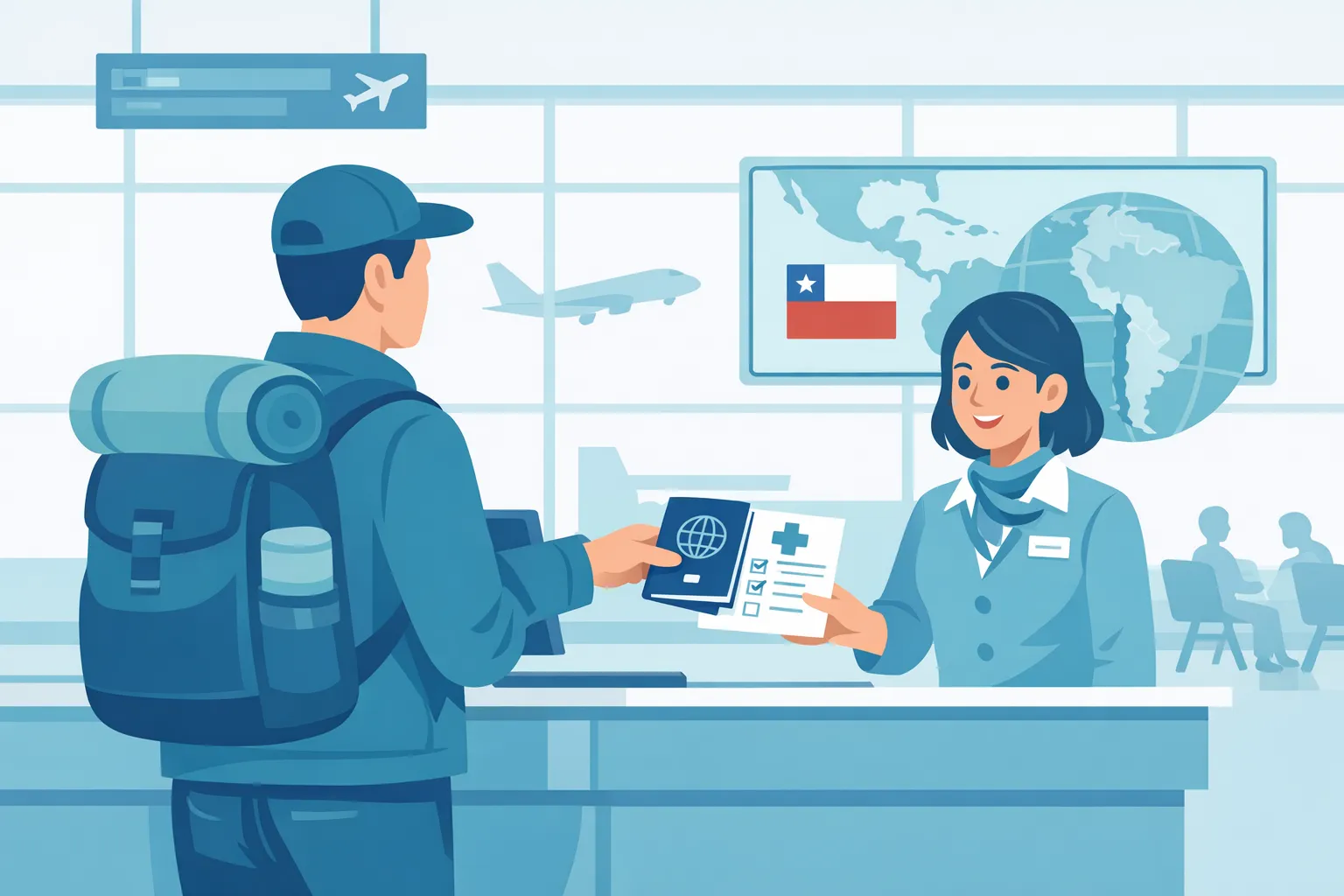
To enter Chile, travelers generally need a valid passport and may need a visa, depending on their nationality. No specific health documents are required for entry, but travelers with chronic conditions should carry relevant medical documentation.
For travelers managing chronic conditions, the journey to Chile can be both exciting and daunting. While the adventure of exploring a new culture and landscape beckons, ensuring that your health needs are met while navigating entry requirements adds another layer to your travel preparation. It’s not just about having the right documents; it’s about ensuring you’re equipped to manage your health effectively while away from home.
The World Health Organization (WHO) recommends that individuals with chronic conditions have a thoughtful plan in place when traveling internationally. This includes having detailed medical documentation, such as a letter from your healthcare provider outlining your condition, treatment plan, and any medications you require. These documents can be vital in emergencies or when visiting healthcare providers abroad. Having these papers translated into Spanish can also facilitate communication and ensure better understanding of your needs in local healthcare settings.
Moreover, it’s crucial to research any health advisories specific to Chile. The Centers for Disease Control and Prevention (CDC) offers travel health notices that can inform you about any potential health risks in the region, so you can take appropriate precautions. By being well-prepared, you can focus on enjoying your trip while managing your chronic condition with confidence.
What travellers with this condition need to know
When planning a trip to Chile, travelers with chronic conditions should be aware of certain health risks and how these may affect them. While Chile is known for its high-quality healthcare system, understanding specific health challenges can empower you to manage your condition effectively while abroad. According to the CDC, there are no mandatory vaccinations for entry into Chile, but travelers should ensure routine vaccinations are up to date. Below, we outline key risks and considerations for travelers with chronic conditions.
Altitude Sickness
Many regions in Chile, especially in the Andes or areas like San Pedro de Atacama, are at high altitudes, which can exacerbate certain chronic conditions like cardiovascular and respiratory diseases. Altitude sickness, also known as acute mountain sickness (AMS), can occur at elevations above 2,500 meters (8,200 feet). Symptoms include headache, nausea, dizziness, and fatigue. Travelers with heart or lung conditions should consult their healthcare provider before traveling to high-altitude areas to discuss appropriate measures and medications that can help mitigate these risks. For further information, refer to the CDC's guidance on traveling to Chile.
Food and Water Safety
While Chile generally maintains high standards of food and water safety, travelers with gastrointestinal conditions or compromised immune systems should exercise precaution. Consuming contaminated food or water can lead to traveler's diarrhea, which may worsen existing health conditions. It is advisable to drink bottled or boiled water and avoid raw or undercooked foods. The CDC recommends frequent handwashing and using hand sanitizers containing at least 60% alcohol to prevent infections. More detailed advice on food and water safety can be found on the CDC travel page for Chile.
Environmental Allergens
Chile's diverse climate can expose travelers to various environmental allergens, from pollen in the spring to dust in arid regions. Those with asthma or severe allergies should carry prescribed medications, including inhalers or epinephrine auto-injectors. It's important to research the specific allergens prevalent in different regions of Chile and consult with a healthcare provider to adjust treatment plans if necessary. The CDC travel page for Chile provides additional context for managing allergies while traveling.
Before you travel: a practical checklist
- Consult your healthcare provider at least 6-8 weeks before traveling to discuss your chronic condition and any adjustments needed for your trip.
- Ensure you have a letter from your doctor detailing your medical condition, treatment plan, and any medications you are taking; this will be essential in case you need medical care in Chile.
- Check the CDC's health recommendations for Chile to understand any specific vaccinations or health advisories that may apply to you.
- Confirm that your medications are legal in Chile and carry them in their original packaging along with a copy of your prescription.
- Purchase adequate travel health insurance that covers your specific chronic condition and any potential medical emergencies abroad.
- Prepare a list of local healthcare providers in Chile who can treat your specific condition and ensure you have their contact information readily available.
- Check if any altitude or climate-related factors in Chile could affect your condition and plan accordingly with appropriate medications or interventions.
- Register with your embassy or consulate in Chile to receive updates about local health advisories or emergencies.
- Prepare a travel health kit that includes all necessary medications, medical devices, and a first-aid kit tailored to your condition.
- Ensure you have access to a translation app or carry a medical phrasebook if you do not speak Spanish, to facilitate communication in case of a medical necessity.
- Notify your airline about your condition if special accommodations are needed during your flight to Chile.
- Research any dietary or lifestyle modifications you may need to make while in Chile, and plan where necessary to maintain your health regimen.
During your trip: managing it abroad
Traveling with a chronic condition in Chile requires some planning and vigilance, but with the right strategies, you can enjoy your trip smoothly. Here are some practical tips for managing your health condition while abroad:
- Medication Management: Keep your medications in their original packaging with your name and prescription details visible. This is crucial for customs and for any medical consultations you may need. Ensure you have enough medication to last the entire trip, plus a little extra in case of delays. Remember to store medications at the recommended temperature, usually between 20°C and 25°C (68°F and 77°F), unless otherwise specified by your doctor.
- Dosing Reminders: Set alarms on your phone to remind you to take your medication, especially if you're changing time zones. This helps maintain consistent dosing intervals and prevents missed doses, which can be critical for managing chronic conditions.
- Recognizing Symptoms: Be aware of symptoms that indicate you need immediate medical attention. For instance, if you experience sudden chest pain, difficulty breathing, or a persistent high fever over 38°C (100.4°F), seek medical help without delay. State clearly to any medical personnel, "I have a chronic condition and require immediate assistance."
- Pharmacy Visits: If you need to visit a pharmacy, prepare a simple sentence in Spanish. For example, "Tengo una condición médica crónica y necesito este medicamento," which translates to "I have a chronic medical condition and need this medication." This can help you communicate effectively with local pharmacists.
- Emergency Contacts: Have a list of emergency contacts in Chile, including the nearest hospital and your embassy. The ISTM (International Society of Travel Medicine) can be a resource for finding local medical services.
- Hydration and Nutrition: Stay hydrated and adhere to a diet that supports your condition. Chilean cuisine offers a variety of fresh fruits and vegetables that can help maintain your health during your stay.
By following these guidelines, you can manage your chronic condition effectively while enjoying your time in Chile. Always remain proactive about your health and aware of your body's signals.
How this changes by destination and situation
| Situation | What Changes |
|---|---|
| Heat | In Chile, especially in regions like the Atacama Desert, extreme heat can exacerbate conditions such as cardiovascular disease or respiratory issues. It is crucial to stay hydrated and avoid overexertion. Always have your medication easily accessible and consider wearing a medical alert bracelet. |
| Altitude | High-altitude areas such as the Andes can pose challenges for those with chronic conditions. Altitude sickness can worsen symptoms of heart or lung conditions. Gradual acclimatization is recommended, along with consulting a healthcare provider for preventative medication. More information can be found on the CDC website. |
| Long-haul flight | Long flights to Chile may increase the risk of deep vein thrombosis (DVT), especially for those with circulatory issues. Wearing compression stockings and walking periodically can help mitigate risks. Ensure you keep your medication within reach in your carry-on luggage. |
| Cruise | While cruising along Chile's extensive coastline, access to specialized medical care might be limited. Carry a comprehensive medical kit and sufficient medication supply. Inform the cruise medical team about your condition for immediate support if needed. |
| Limited healthcare infrastructure | In remote areas of Chile, healthcare facilities might be sparse. Plan accordingly by identifying the nearest medical facilities before traveling. It's advisable to have travel insurance that covers medical evacuation. Refer to the WHO website for further guidance. |
| Time-zone shift | Jet lag from significant time-zone shifts can disrupt medication schedules. Adjust your routine gradually before departure and use alarms to remind you of your medication times. Consult your healthcare provider for personalized advice. |
In an emergency: what first responders need to know
In case of an emergency, first responders need immediate access to critical information about your chronic condition. Within the first thirty seconds, they should know your medical diagnosis, any allergies, ongoing treatments, and current medications. This information is vital for ensuring you receive the appropriate care without delay.
To facilitate this, carry a medical ID card or bracelet at all times, which clearly states your condition and any critical medical needs. This should be in an internationally recognized format and include symbols understood by healthcare professionals worldwide. Additionally, maintain a printed summary of your medical history, including emergency contact details and your healthcare provider’s information. Store this in a clearly marked section of your wallet or bag.
Language barriers can complicate emergency situations. To overcome this, your medical documentation should be translated into Spanish, the official language of Chile. Including both the original and translated versions ensures that local first responders can quickly comprehend your needs. Services like HealthPass can assist in providing translations and other crucial documentation.
Moreover, consider using a smartphone app like HealthPass to store digital copies of these documents. Many first responders are equipped with smartphones and can access this information if you are unable to communicate. Keeping your documents up-to-date and easily accessible through both physical and digital means can be lifesaving in critical situations.
By preparing these documents and translations, you empower first responders to make informed decisions swiftly. For more information on preparing for emergencies while traveling, consult resources like the World Health Organization and the Centers for Disease Control and Prevention.
How HealthPass helps
HealthPass is designed to support travelers with chronic conditions, making your journey to Chile smoother and safer. One of its essential features is the ability to store and access your health records digitally. This ensures that all your important medical information, such as diagnosis and treatment plans, is readily available at any time, avoiding the need to carry bulky paper documents.
Trip planning is another critical capability of HealthPass. It provides tailored recommendations based on your chronic condition, ensuring you are aware of any health advisories or specific medications needed for your stay in Chile. This feature saves you time in researching and planning your medical needs before departure.
HealthPass also offers up-to-date information on destination requirements, ensuring you are compliant with any health regulations specific to Chile. This reduces the stress of navigating international travel rules and keeps you informed about any changes that might affect your travel.
Finally, the emergency card feature of HealthPass is crucial for quick access to vital health information. In an emergency, first responders can quickly view essential details about your health condition, which could be lifesaving. This capability enhances your safety and peace of mind while traveling abroad.
Start your free HealthPass account — it takes a minute and costs nothing.
Frequently asked questions
Q: Do I need a Yellow Fever vaccination to enter Chile?
A: Generally, a Yellow Fever vaccination is not required for entry into Chile. However, if you are traveling from a country with a risk of Yellow Fever, you may need to present a vaccination certificate. Check the World Health Organization for the latest vaccination requirements.
Q: Can I bring prescription medication into Chile?
A: Yes, you can bring prescription medications into Chile, but they should be in their original packaging and accompanied by a doctor's letter detailing your condition and treatment. Visit the Centers for Disease Control and Prevention (CDC) for guidelines on traveling with medications.
Q: Are there any health forms required for travelers with chronic conditions?
A: Chile does not require specific health forms for travelers with chronic conditions. However, carrying documentation of your medical history and current treatment can be beneficial. This is especially important for emergencies while abroad.
Q: What should I do if I need medical attention in Chile?
A: If you require medical attention in Chile, head to the nearest hospital or healthcare facility. Chile has a reputable healthcare system, and many professionals speak English. For emergencies, dial 131 for an ambulance. Always have your medical documents handy for efficient care.
Q: How can I ensure my medical records are accessible during my trip?
A: Utilize digital health solutions like HealthPass to store your medical records securely. This ensures you can access your information anytime, anywhere, providing peace of mind. Keeping physical copies of essential documents is also recommended.
Q: Is travel insurance necessary for my trip to Chile?
A: Travel insurance is highly recommended, especially for travelers with chronic conditions. It covers medical emergencies, treatment costs, and potential evacuation if required. Ensure your policy covers your specific health needs. Review options on trusted platforms like the International Society of Travel Medicine (ISTM).
What this guide does not cover
This guide does not cover all possible health scenarios or the specific requirements of every chronic condition. It is designed to provide general advice for travelers with chronic conditions entering Chile. For personalized medical advice, you should consult your healthcare provider, who can offer guidance based on your individual health needs and travel itinerary. Additionally, for the most current and comprehensive entry requirements, including any potential changes due to health emergencies or pandemics, refer to official sources such as the World Health Organization (WHO) or the Centers for Disease Control and Prevention (CDC).
Keep this checklist, your medications and your documents in one place you can open at a border, a pharmacy or an emergency room.
This guide provides general advice for travelers with chronic conditions and is not a substitute for professional medical consultation. Always consult your healthcare provider for personalized advice. For comprehensive health guidelines, visit the World Health Organization or Centers for Disease Control and Prevention websites before traveling.
Keep your medications, allergies and vaccinations with you abroad: a travel medical records app with an emergency card a doctor can read in five languages, or print a free emergency card in their language.