How to Safely Travel with Severe Food Allergies
Travel rules change. HealthPass does not update blog posts after they are published, so please check the current requirements before you travel.
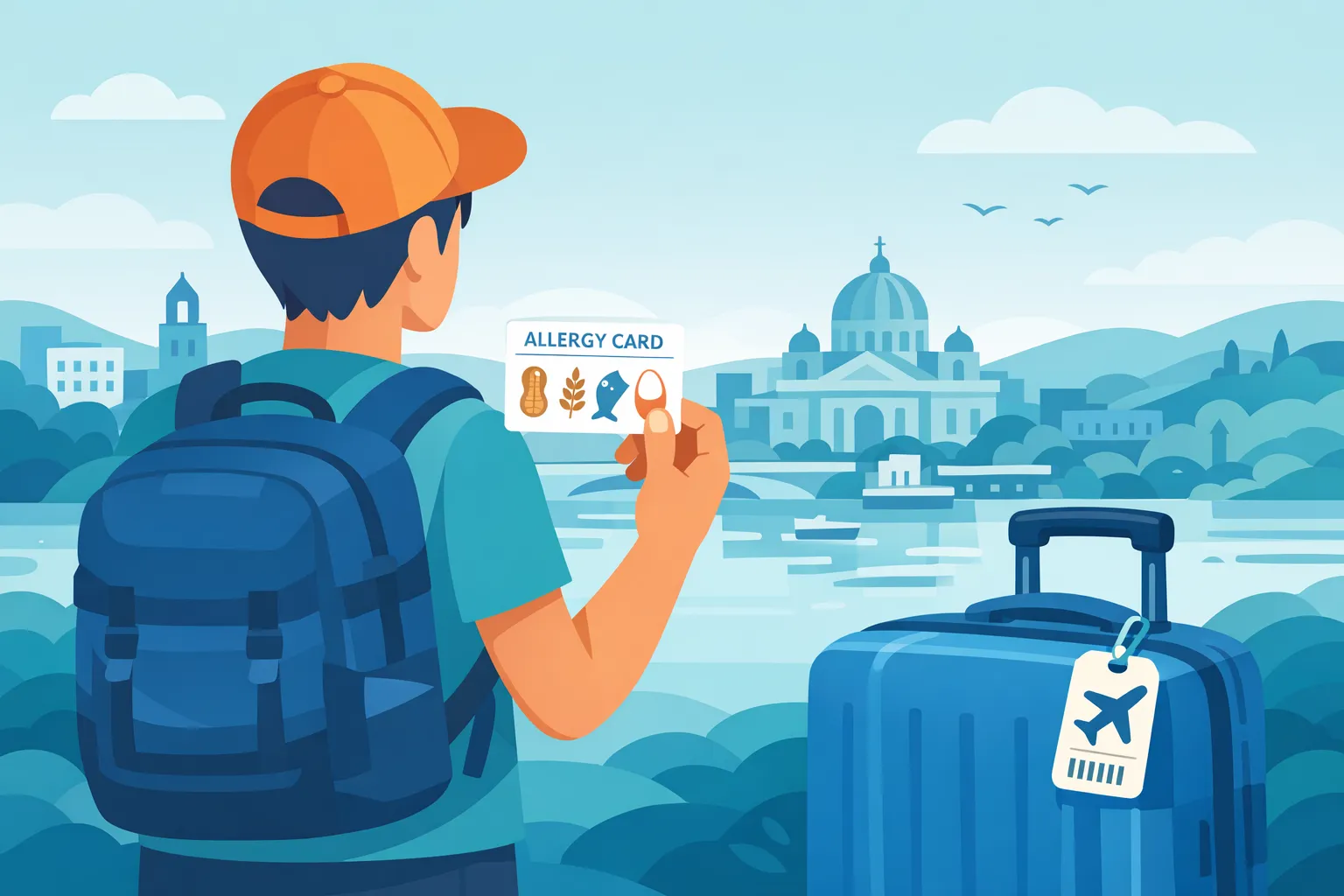
To safely travel with severe food allergies, meticulously plan your trip, carry essential medications, and communicate your dietary needs clearly. For many, the prospect of traveling with severe food allergies can be daunting. Concerns about language barriers, unfamiliar cuisines, and the availability of emergency care are real and valid. The key is to transform these concerns into an action plan that empowers you to travel with confidence and enjoy your journey.
Having a severe food allergy shouldn't deter you from exploring the world. However, it does require additional preparation and vigilance. The World Health Organization (WHO) emphasizes the importance of managing food allergies through informed decision-making and preparedness. This entails knowing your allergens, being able to communicate them effectively, and having a strategy for emergencies.
Understanding how to navigate different cultural contexts, restaurant environments, and even airline meals is crucial. For instance, some countries might not have stringent labeling laws, and cross-contamination can be a common issue. The Centers for Disease Control and Prevention (CDC) provides resources that can guide you in recognizing allergen labeling and handling food safely abroad.
By equipping yourself with knowledge and the right tools, you can mitigate risks and focus on the enriching experiences travel offers. This guide will walk you through each step of the journey, providing you with the practical advice you need to travel safely and confidently, no matter your destination.
Make your free emergency medical card — in five languages a doctor abroad can read. No sign-up.
What travellers with this condition need to know
Risk of Anaphylaxis
For travelers with severe food allergies, the most significant risk is anaphylaxis, a potentially life-threatening reaction that can occur rapidly after exposure to an allergen. Anaphylaxis can cause a sudden drop in blood pressure, narrowing of the airways, and swelling of the throat, which can lead to difficulty breathing. According to the Centers for Disease Control and Prevention (CDC), anaphylaxis requires immediate medical attention and prompt administration of epinephrine is crucial source.
Cross-Contamination During Meal Preparation
Another critical risk is cross-contamination, which can occur in restaurant kitchens, street food stalls, and even during meal preparation in hotels or on airplanes. Cross-contamination happens when an allergen inadvertently comes into contact with your food, potentially triggering a severe allergic reaction. The World Health Organization (WHO) emphasizes the importance of understanding food labeling and communication with food handlers to minimize this risk source. Travelers should be proactive in asking about ingredients and informing chefs and servers about their allergies.
Varying Food Allergy Awareness by Region
Awareness and understanding of food allergies can vary significantly by region, affecting the availability of allergen-free foods and medical resources. In some countries, food labeling standards may not be as stringent, making it challenging for travelers to identify safe options. The International Society of Travel Medicine (ISTM) suggests researching destination-specific information on food allergy management and healthcare facilities before traveling source. This knowledge can empower travelers to make informed choices, reducing the risk of accidental exposure.
Travelers with severe food allergies must remain vigilant, informed, and prepared to manage their condition effectively while abroad. By understanding the risks associated with anaphylaxis, cross-contamination, and regional differences in food allergy awareness, individuals can take proactive steps to ensure their safety and enjoy a worry-free travel experience.
Before you travel: a practical checklist
- Consult with your healthcare provider at least six weeks before departure to ensure you have an up-to-date action plan for managing your allergies. This is crucial for understanding your condition and potential triggers while traveling.
- Obtain a medical alert bracelet or necklace in the local language of your destination. This can save precious time in emergencies by informing first responders of your allergies.
- Research the local cuisine and common ingredients of your destination four weeks prior to traveling. Understanding what dishes to avoid can help prevent accidental exposure to allergens.
- Contact your airline at least two weeks before your flight to discuss your allergy needs and confirm their policies on allergen-free meals and onboard safety measures.
- Pack an adequate supply of medications, including epinephrine auto-injectors, and keep them in your carry-on luggage. The CDC advises having at least two auto-injectors readily available in case of an emergency (www.cdc.gov).
- Learn and practice essential phrases in the local language related to your food allergies, such as "I am allergic to..." This empowers you to communicate your needs clearly in restaurants and markets.
- Secure a letter from your doctor detailing your allergies and the need for carrying medications like auto-injectors. This can be vital for passing through security checks smoothly.
- Purchase travel insurance that covers medical emergencies related to your allergies. Confirm coverage details with your insurer to ensure you are protected in case of an anaphylactic reaction abroad.
- Book accommodations with kitchen facilities if possible, allowing you to prepare safe meals and reduce the risk of allergen exposure.
- Identify nearby hospitals and emergency services at your destination before departure. Knowing where to go in an emergency can provide peace of mind and speed up response times.
- Inform travel companions about your allergy management plan. Their support can be invaluable in ensuring you have a safe and enjoyable trip.
During your trip: managing it abroad
Traveling with severe food allergies can be daunting, but with the right strategies, you can manage your condition effectively while abroad. First and foremost, always carry at least two epinephrine auto-injectors. According to the CDC, having more than one dose on hand is critical because a second dose may be needed if symptoms do not improve within 5 to 15 minutes after the first injection.
When dining out, clearly communicate your allergies to restaurant staff. Use translation cards if language barriers exist, detailing the specific allergens you must avoid. Consider showing staff a printed card that states, “I have a severe allergy to [specific allergen]. Does this dish contain it?” This direct approach helps ensure that your message is understood.
When traveling by air, notify airline staff about your allergies at least 48 hours before your flight. Upon boarding, communicate your needs to the cabin crew and ask if they can make an announcement requesting fellow passengers to avoid consuming allergens near you. Always keep your auto-injectors in your carry-on luggage, as extreme temperatures in checked baggage may compromise their effectiveness.
Be aware of cross-contamination risks, especially in buffets or street food markets. Opt for freshly prepared meals where you can verify the ingredients. If staying in accommodations with kitchen facilities, consider preparing your own meals to minimize risks.
In case of an allergic reaction, it's crucial to act promptly. Administer epinephrine as soon as symptoms appear and seek immediate medical attention. According to the WHO, seek emergency care if you experience difficulty breathing, swelling of the tongue or throat, or a persistent drop in blood pressure.
If you need to visit a pharmacy abroad, know how to ask for what you need. A useful phrase is, “I have a severe allergy and need an epinephrine auto-injector.” This can ensure you receive the correct medication without delay.
Lastly, equip yourself with a detailed medical alert bracelet that includes your allergens and emergency contact information. This is invaluable in situations where you may be unable to communicate for yourself.
How this changes by destination and situation
Traveling with severe food allergies requires adaptability, as different environments and circumstances can impact how you manage your condition. Here's how various situations can affect travelers with severe food allergies:
| Situation | What Specifically Changes |
|---|---|
| Heat | High temperatures can affect the stability of medications like epinephrine. Ensure your auto-injectors are stored in a cool, insulated case to maintain efficacy. Additionally, heat can exacerbate allergic reactions, so stay hydrated and cool. |
| Altitude | At high altitudes, the symptoms of an allergic reaction may be more pronounced due to lower oxygen levels. Be prepared with a clear action plan and ensure you have quick access to medications. |
| Long-haul flight | Airlines may have different policies regarding allergen-free meals. Notify the airline of your allergies well in advance and consider bringing your own snacks. Airplane cabins are confined spaces, increasing the risk of accidental exposure to allergens. |
| Cruise | Cruises offer varied dining options, but communication is key. Inform the cruise line of your allergies before booking. Onboard medical facilities may be limited, so carry sufficient medications and a detailed emergency plan. |
| Limited healthcare infrastructure | In destinations with limited healthcare infrastructure, access to emergency medical care and medications might be challenging. Research the availability of healthcare facilities ahead of time and ensure you have comprehensive travel insurance. |
| Time-zone shift | Adjusting to a new time zone can affect medication schedules. Plan how to manage your medication timing to maintain its effectiveness and avoid missed doses. |
Being aware of how these factors can influence your travel experience allows you to take proactive steps to ensure your safety and enjoyment. For more comprehensive information, consider visiting resources from the CDC and WHO.
In an emergency: what first responders need to know
In the event of an allergic reaction, first responders must quickly identify the situation to provide effective treatment. For travelers with severe food allergies, clear communication is crucial. Ensure that you carry an easily accessible medical alert card or bracelet, which should detail your specific allergies, any prescribed medications like epinephrine, and emergency contacts. This information should be prominently displayed and written in both English and the local language of your destination.
First responders need to be aware that anaphylaxis requires immediate intervention. According to the CDC, an epinephrine auto-injector is the primary treatment for anaphylaxis, and the first dose should be administered as soon as symptoms are recognized. If you are unable to communicate during an emergency, your medical alert information can guide responders in administering epinephrine promptly.
Language barriers can complicate communication during emergencies. To mitigate this, prepare a translated emergency card that includes phrases like "I have a severe allergy" and "I need epinephrine," along with the local emergency services number. The International Society of Travel Medicine (ISTM) advises carrying a translation app or phrasebook to aid in such critical situations.
It's also beneficial to inform travel companions about your condition and how to use your auto-injector, as they may be the first to assist until professional help arrives. Empowering those around you with the necessary information can significantly improve the response to an allergic reaction.
By taking these precautions, you can ensure that first responders have the essential information they need to act swiftly and effectively, regardless of language barriers or location.
How HealthPass helps
HealthPass is a valuable tool for travelers with severe food allergies, providing features designed to make your journey both safe and manageable. With the HealthPass platform, you can store and access your health records securely, ensuring you have your allergy action plan and medical history readily available at all times. This is particularly useful when consulting with healthcare providers abroad.
When planning your trip, HealthPass helps you understand specific destination requirements related to food allergies. This includes identifying local allergen labeling practices and food safety regulations, which can help you make informed dining choices and reduce the risk of exposure to allergens.
To prepare for emergencies, HealthPass offers an emergency card feature. This digital card contains critical information about your allergies, the necessary emergency treatments, and contact details for your healthcare provider. The card can be easily shown to first responders, facilitating rapid and accurate medical assistance.
Lastly, HealthPass aids in trip planning by allowing you to identify allergy-friendly accommodations and restaurants at your destination, thereby minimizing unexpected exposures and ensuring a more enjoyable travel experience.
Create your emergency card — it takes a minute and costs nothing.
Frequently asked questions
Q: How can I communicate my food allergies in a foreign language?
A: Learning key phrases in the local language can be crucial. Use translation apps or carry allergy cards that state your allergies clearly in the native language. The WHO recommends such practical steps to improve communication and safety while traveling. This ensures that restaurant staff and others understand your needs. WHO
Q: Can I bring my own food on international flights?
A: Yes, you can usually bring your own food, but check with the airline about specific restrictions. Many airlines allow you to carry food items in your hand luggage, especially if they relate to medical conditions like food allergies. Always inform the airline ahead of time about your dietary requirements.
Q: What should I do if I accidentally ingest an allergen abroad?
A: Immediately use your epinephrine auto-injector and seek emergency medical assistance. The CDC emphasizes the importance of carrying multiple doses of epinephrine, as symptoms can recur. Make sure to inform local health providers about your allergies and the treatment you've administered. CDC
Q: How can I ensure hotel kitchens understand my food allergies?
A: Before booking, contact the hotel to discuss your dietary needs. When you arrive, speak directly with the kitchen staff or chef. Providing written information about your allergies can help minimize misunderstandings. Many hotels are experienced with accommodating dietary restrictions and will strive to meet your needs.
Q: Are travel insurance policies available for those with food allergies?
A: Yes, specialized travel insurance policies can cover medical emergencies related to food allergies. It's crucial to read the policy details to ensure that it includes coverage for allergy-related incidents. Discuss with your insurer any specific needs or concerns you may have related to your condition.
Q: Is it safe to eat street food if I have severe food allergies?
A: Eating street food can be risky due to cross-contamination and unknown ingredients. If you choose to try street food, communicate clearly with the vendor and observe food preparation practices. The ECDC advises caution and recommends sticking to packaged foods if you're uncertain about safety. ECDC
What this guide does not cover
This guide does not cover personalized medical advice for individuals with severe food allergies. While the information provided offers a comprehensive foundation for safe travel, individual circumstances and medical histories can vary significantly. For specific guidance tailored to your health needs, it is essential to consult directly with your healthcare provider or an allergist. They can offer personalized recommendations and ensure you have the most effective action plan before embarking on your journey. For more detailed insights into managing severe food allergies, consider visiting authoritative resources like the World Health Organization or the Centers for Disease Control and Prevention.
If something happens abroad, the people treating you need your conditions, medications and allergies in seconds — in a language they read.
This article is intended for informational purposes only and should not be considered a substitute for professional medical advice, diagnosis, or treatment. Always seek the guidance of your healthcare provider regarding any questions you may have about your medical condition or before making travel decisions. For further information, please visit the World Health Organization or Centers for Disease Control and Prevention.
Keep your medications, allergies and vaccinations with you abroad: a travel medical records app with an emergency card a doctor can read in five languages, or print a free emergency card in their language.