Navigating Your Travels Confidently with Type 2 Diabetes
Travel rules change. HealthPass does not update blog posts after they are published, so please check the current requirements before you travel.
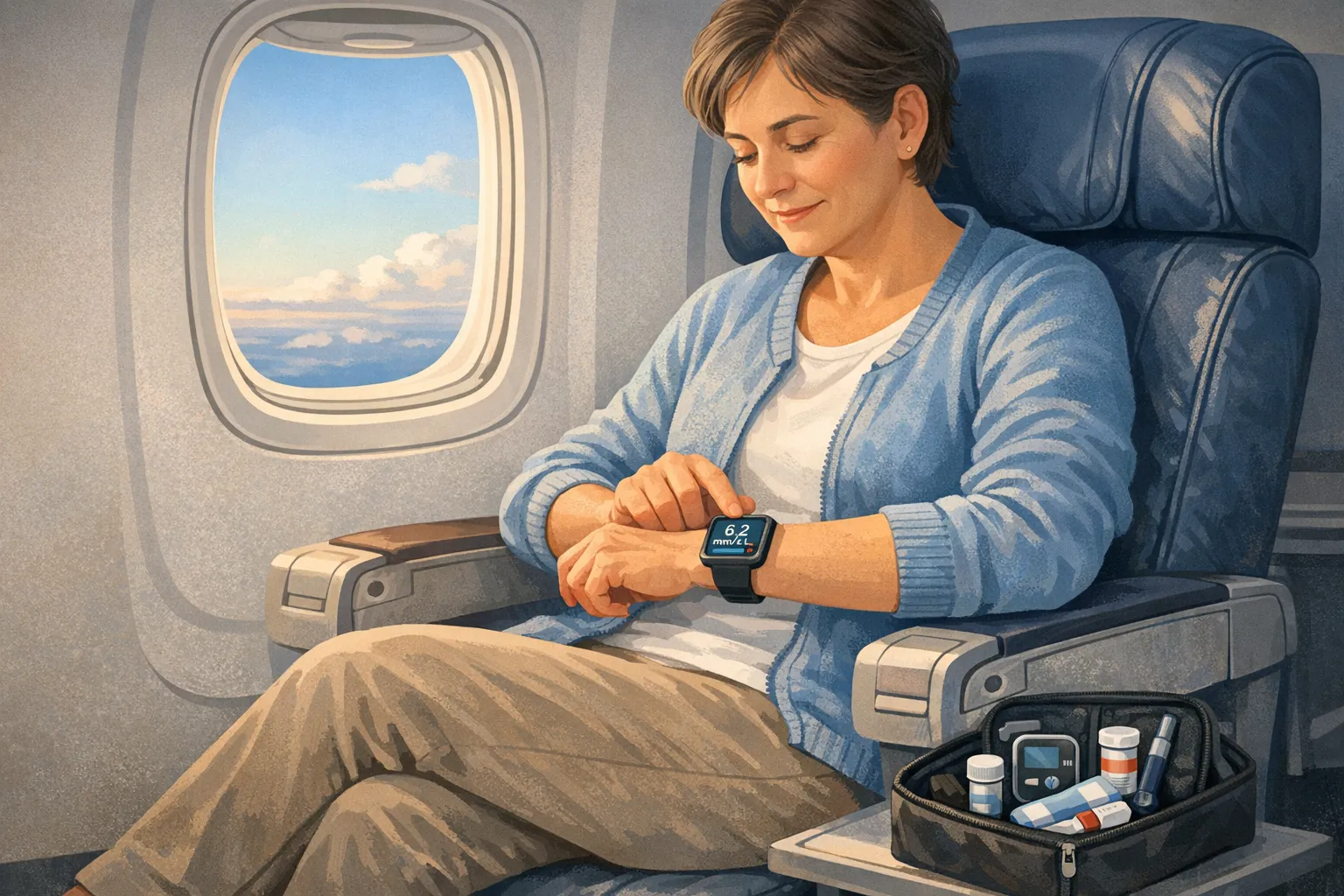
Traveling with Type 2 Diabetes is entirely possible with the right preparation and mindset. By understanding your health needs and planning ahead, you can confidently explore new destinations while managing your condition effectively. The key lies in being informed and proactive about your health management.
For individuals with Type 2 Diabetes, traveling can sometimes feel daunting due to the need for routine monitoring and medication management. Concerns about meal planning, changes in activity levels, and the availability of medical care in foreign countries can add layers of complexity to travel planning. However, with the right strategies and resources, these challenges can be overcome, allowing you to focus on enjoying your journey.
Understanding your condition and how it interacts with travel is crucial. This means knowing how different time zones might affect your medication schedule or how a change in diet could influence your blood sugar levels. According to the CDC, people with diabetes should ensure their travel plans include considerations for meals, medication, and emergency preparations.
By planning thoroughly and utilizing available resources, such as HealthPass, you can navigate your travels with the confidence that your health is managed effectively. This guide aims to equip you with the practical knowledge and tools needed to manage Type 2 Diabetes while traveling, ensuring your journey is as smooth and enjoyable as possible.
Make your free emergency medical card — in five languages a doctor abroad can read. No sign-up.
What travellers with this condition need to know
Blood Glucose Management
Traveling can disrupt your usual routine, making it more challenging to maintain stable blood glucose levels. Changes in time zones, irregular meal schedules, and varying levels of physical activity can all influence blood sugar control. According to the CDC, maintaining a regular eating schedule as much as possible and monitoring your blood sugar levels more frequently can help mitigate these risks. Additionally, certain medications for diabetes need to be taken at specific times, which can become complicated with long-haul flights crossing multiple time zones.
Increased Risk of Infection
Individuals with type 2 diabetes are generally at a higher risk for infections, particularly skin infections and urinary tract infections. Traveling can increase this risk due to exposure to new germs and bacteria. The WHO emphasizes the importance of good hygiene practices, such as regular handwashing and carrying hand sanitizers, to help reduce this risk. Furthermore, it's advisable to keep any cuts or wounds clean and covered to prevent infection.
Potential for Dehydration
Dehydration can be a concern for travelers with type 2 diabetes, especially in hot climates or at high altitudes where the air is drier. Dehydration can lead to elevated blood sugar levels and can exacerbate symptoms of diabetes. The CDC recommends drinking plenty of water and avoiding excessive alcohol and caffeine, which can contribute to dehydration. Monitoring your urine color can also be a simple way to check your hydration status; a pale yellow color typically indicates adequate hydration.
By being aware of these risks and taking proactive steps, travelers with type 2 diabetes can better manage their condition while exploring new destinations. It's always a good idea to consult with your healthcare provider before embarking on a trip to ensure you have a tailored plan that addresses your specific needs. Remember, the more you know and prepare, the more enjoyable and stress-free your travel can be.
Before you travel: a practical checklist
- Consult with your healthcare provider at least 4-6 weeks before your trip to discuss your travel plans and ensure that your diabetes management plan is suitable for your destination. This allows time for any necessary adjustments or prescriptions.
- Check vaccination requirements and recommendations for your destination on the WHO website. Certain vaccinations may be particularly important for individuals with chronic conditions like diabetes.
- Prepare an ample supply of your diabetes medications, including insulin, testing supplies, and oral medications. Carry enough to last the entire trip plus an additional week in case of delays.
- Request a letter from your doctor outlining your medical condition, medications, and any medical devices you use. This can be useful at customs or in case of a medical emergency.
- Research the availability of medical care at your destination. Identify hospitals or clinics that can provide diabetes-related care if needed, using resources like the International Society of Travel Medicine.
- Check your travel insurance policy to ensure it covers diabetes-related care abroad. This can prevent unexpected expenses and provide peace of mind.
- Organize your medications and supplies in a carry-on bag to avoid loss or damage if your checked luggage is delayed or lost.
- Pack a travel health kit including a glucose meter, test strips, lancets, and hypoallergenic antiseptic wipes. These tools are essential for maintaining your blood glucose levels.
- Familiarize yourself with local foods and meal options at your destination to help maintain your dietary plan and avoid unexpected spikes or drops in blood sugar levels.
- Ensure all medications and supplies are clearly labeled, particularly if they need to go through security checks. This can prevent delays and misunderstandings at airports.
During your trip: managing it abroad
Managing Type 2 Diabetes while traveling requires vigilance and adaptability to ensure your health remains stable. Here are practical steps to maintain control over your condition while abroad:
1. Monitor Blood Glucose Regularly
Travel can cause fluctuations in your blood glucose levels. Carry your glucometer and test strips to monitor your glucose levels at least every 4 hours. If your readings are consistently above 13.9 mmol/L (250 mg/dL) or below 3.9 mmol/L (70 mg/dL), seek medical attention promptly. The CDC emphasizes the importance of regular monitoring to prevent complications.
2. Maintain Medication and Insulin Schedule
Time zone changes can disrupt your medication schedule. Use your phone's alarm to remind you of dosing times. If you're unsure about adjusting your insulin schedule, consult a healthcare professional before your trip. It is crucial to store insulin between 2°C and 8°C (36°F and 46°F) to maintain its efficacy, according to the WHO.
3. Communicate Your Needs
Don't hesitate to communicate your needs to airline crew, hotel staff, or tour operators. A simple sentence like, "I have Type 2 Diabetes and need access to snacks and water," can ensure you receive the necessary support. Carry a diabetes alert card or wear a medical ID bracelet for emergencies.
4. Manage Diet and Exercise
While exploring new cuisines, aim for balanced meals and be mindful of portion sizes. Aim to maintain your usual level of physical activity; a brisk 30-minute walk each day can help manage blood sugar levels. The International Society of Travel Medicine (ISTM) suggests maintaining consistent meal and exercise routines to stabilize glucose levels.
5. Stay Hydrated
Dehydration can affect blood sugar control. Drink water regularly, especially in hot climates, and avoid excessive alcohol consumption as it can lead to hypoglycemia.
By staying proactive and informed, you can enjoy your travels with confidence, knowing that you are equipped to manage your Type 2 Diabetes effectively. Remember, preparation and communication are your best allies in ensuring a healthy and fulfilling journey.
How this changes by destination and situation
| Situation | What Specifically Changes |
|---|---|
| Heat | High temperatures can lead to dehydration, which may affect blood glucose levels. It's crucial to stay hydrated and monitor blood sugar more frequently. Consider wearing breathable clothing and carrying a cooling gel pack for insulin storage. WHO travel and health |
| Altitude | High altitudes can affect insulin sensitivity and glucose metabolism. Travelers should monitor their blood sugar closely and be aware of symptoms of altitude sickness, which can mimic hypoglycemia. CDC Travelers' Health |
| Long-haul flight | Extended periods of immobility can impact circulation and blood glucose levels. Stand and move regularly, and adjust insulin dosing to account for time zone changes. Ensure you have all necessary medications in your carry-on. International Society of Travel Medicine |
| Cruise | Food options may vary significantly, impacting dietary control. Seek out diabetic-friendly menus and ask for nutritional information when in doubt. Be mindful of excursions that require extra physical exertion. CDC Travelers' Health |
| Limited healthcare infrastructure | Access to diabetes care and medications might be limited. It's essential to carry a full supply of medications and a detailed medical history. Know the location of the nearest healthcare facilities. INCB: each country's rules for carrying medicines |
| Time-zone shift | Crossing time zones can disrupt medication schedules and meal times. Plan to adjust your medication timing gradually and monitor blood glucose carefully during the transition. WHO fact sheet index |
In an emergency: what first responders need to know
In an emergency, the swift and effective response from first responders can be vital for travelers with Type 2 Diabetes. Here’s what first responders need to know within the first crucial seconds:
- Medical Alert Identification: Ensure you wear a medical alert bracelet or necklace that clearly states "Type 2 Diabetes". This visible identifier is critical for immediate recognition.
- Emergency Health Information: Carry a card in your wallet or phone case with key health information. This should include your name, medical condition, medications, insulin types and dosages (if applicable), and emergency contacts.
- Hypoglycemia and Hyperglycemia: Make note of symptoms and first aid for both low and high blood sugar levels. This information can be life-saving during an emergency. The CDC provides comprehensive guidance on these conditions.
- Language Considerations: If traveling to a region with a different primary language, ensure your medical card is translated into the local language. This helps bridge any communication gaps and ensures responders understand your condition and needs quickly.
In situations where a language barrier exists, consider using a translation app on your smartphone to assist in communication with local medical personnel. Additionally, if you have a smartphone, use its health app to store your medical ID information, which can be accessed even from the lock screen.
By taking these proactive steps, you can ensure that first responders have the necessary information to provide effective care in an emergency. Always remember, preparedness is your strongest ally when traveling with Type 2 Diabetes.
How HealthPass helps
HealthPass serves as a comprehensive tool to support travelers with Type 2 Diabetes by seamlessly integrating essential health management capabilities into your travel plans. Here’s how it can assist you:
- Health Records: HealthPass allows you to securely store and access your medical records, including details of your diabetes management plan. This ensures that you have critical health information readily available, which is especially useful for consultations with healthcare providers abroad.
- Trip Planning: By incorporating your health needs into your travel itinerary, HealthPass helps you plan around your diabetes management. You can account for meal timings, medication schedules, and necessary rest periods, reducing the risk of disruptions to your blood glucose control.
- Destination Requirements: HealthPass provides updates on vaccination recommendations and health advisories for your destination, helping you prepare for any special requirements that may impact your diabetes management.
- Emergency Card: The HealthPass emergency card feature provides instant access to essential medical information, including your diabetes diagnosis, medication list, and emergency contacts. This can be vital in ensuring that first responders have the necessary information to provide appropriate care quickly.
By integrating these features, HealthPass empowers travelers with Type 2 Diabetes to manage their condition effectively, enhancing both safety and peace of mind during their journeys.
Start your free HealthPass account — it takes a minute and costs nothing.
Frequently asked questions
Q: Can I bring insulin and medications on a plane?
A: Yes, you can bring insulin and diabetes medications on a plane, but they should be in their original packaging with the prescription label. The Transportation Security Administration (TSA) allows medical supplies in both carry-on and checked baggage. Always carry a letter from your doctor explaining your condition and medications. Check airline policies for additional requirements.
Q: How can I manage jet lag with Type 2 Diabetes?
A: To manage jet lag, adjust your meal and medication schedule gradually before departure. Upon arrival, stick to the local time as quickly as possible. Monitor your blood glucose levels more frequently, as changes in sleep and eating patterns can affect them. The CDC offers tips on managing jet lag effectively.
Q: What should I eat while traveling with Type 2 Diabetes?
A: Opt for balanced meals that include whole grains, lean proteins, and plenty of vegetables. Carry healthy snacks like nuts or fruit to manage hunger between meals. Research local cuisine beforehand to make informed choices. The ISTM provides general dietary guidelines for travelers with diabetes.
Q: Can I drink alcohol while traveling with Type 2 Diabetes?
A: Moderate alcohol consumption may be acceptable, but it’s essential to monitor its effects on your blood sugar. Always eat while drinking and track your glucose levels. Staying hydrated with water is crucial. Consult your healthcare provider for personalized advice and visit CDC's guidelines on alcohol consumption for further details.
Q: What should I do if I forget my diabetes medication at home?
A: If you forget your medication, contact a local pharmacy or healthcare provider immediately. They can assist in obtaining a temporary supply. Always carry a list of your medications and prescriptions. The ISTM recommends knowing how to access medical care in your destination before you travel.
Q: How do I prepare for a medical emergency abroad?
A: Prepare by having a medical alert ID and a list of emergency contacts. Know the local emergency number and have travel insurance that covers diabetes-related emergencies. The WHO suggests researching healthcare facilities in your destination that can manage diabetes emergencies.
What this guide does not cover
While this guide offers comprehensive advice for managing Type 2 Diabetes while traveling, it does not cover personalized medical advice tailored to your unique health profile. Individualized treatment plans, medication adjustments, or specific dietary needs should be discussed with your healthcare provider, who can provide guidance based on your personal health condition. Additionally, this guide does not delve into the specific healthcare systems or medical facilities available in each destination. For this information, consult local health authorities or the World Health Organization (WHO) for current data and resources related to healthcare access in your travel destinations.
Keep this checklist, your medications and your documents in one place you can open at a border, a pharmacy or an emergency room.
This guide is intended for informational purposes only and should not replace professional medical advice. For personal health concerns, consult a healthcare provider familiar with your medical history, especially regarding managing Type 2 Diabetes while traveling. Refer to trusted sources like the CDC or WHO for further guidance on travel-related health recommendations.
Keep your medications, allergies and vaccinations with you abroad: a travel medical records app with an emergency card a doctor can read in five languages, or print a free emergency card in their language.