How to Use a Food Allergy Card for Dining at Restaurants Abroad
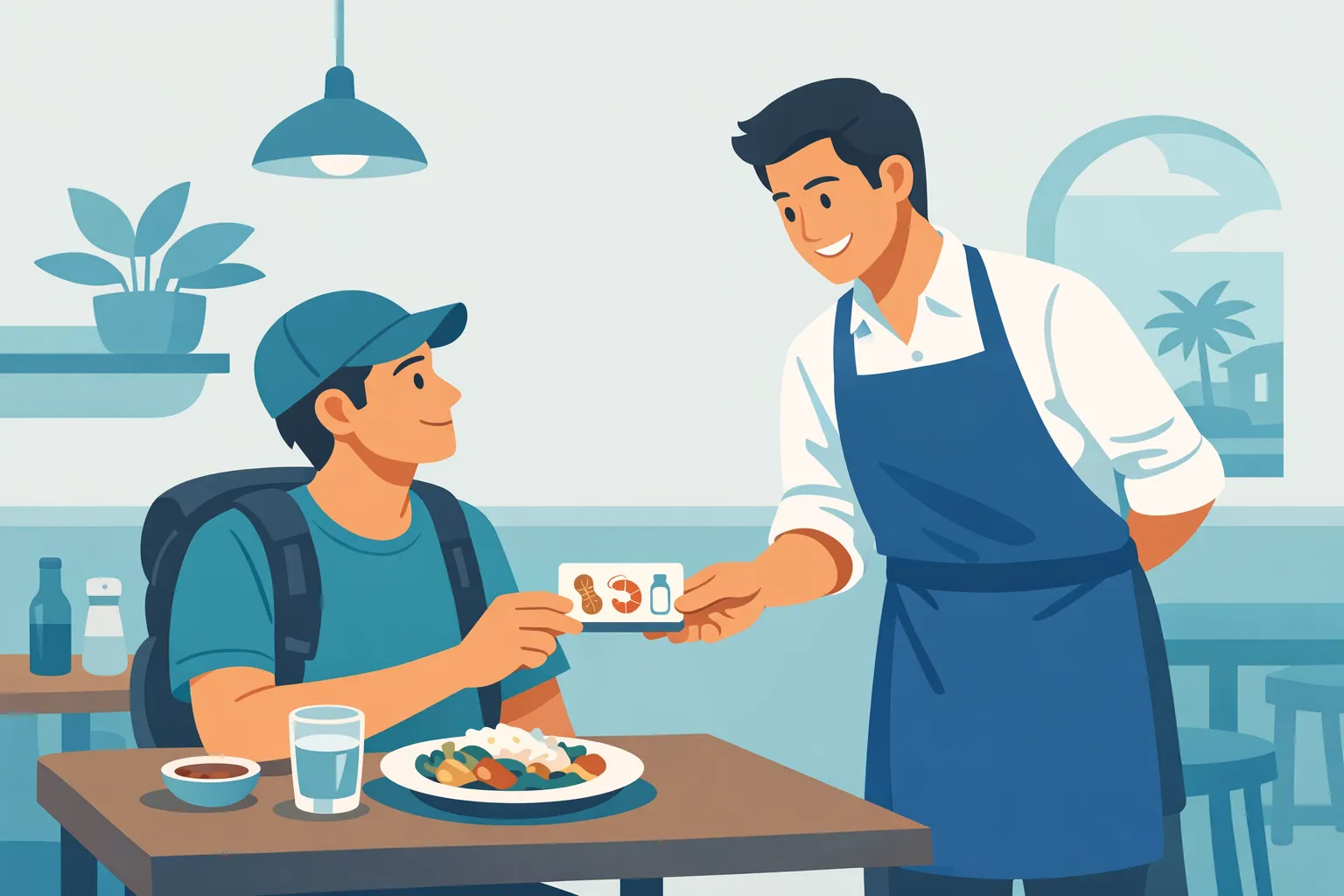
To use a food allergy card for dining at restaurants abroad, present it clearly to your server before ordering. Specify your allergies by showing the card, preferably in the local language, to ensure the kitchen understands your dietary needs. This proactive step helps prevent allergic reactions and allows you to enjoy your meal safely.
For travelers with food allergies, accurately communicating your dietary restrictions can be daunting, especially in a foreign language. The risk of cross-contamination or misunderstandings about ingredients is a genuine concern, and it can overshadow the excitement of trying new cuisines. According to the Centers for Disease Control and Prevention (CDC), food allergies are a significant health concern that require careful management, particularly when traveling.
Restaurants abroad may not always be familiar with the specific ingredients or preparation techniques that could trigger an allergic reaction. Language barriers can amplify this issue, making it challenging to ensure that your message is understood. A food allergy card is a practical tool designed to bridge this communication gap. These cards, often available in multiple languages, provide a concise and clear explanation of your allergies, minimizing the risk of miscommunication.
By using a food allergy card, you can empower yourself to dine with confidence while exploring new destinations. It allows you to focus on enjoying the cultural and culinary experiences your travels offer, knowing you have taken steps to prioritize your health and safety.
What travellers with this condition need to know
Understanding Cross-Contact Risks
One of the most critical risks for travelers with food allergies is cross-contact, which occurs when an allergen is inadvertently transferred to a food that is otherwise safe. This can happen through shared cooking utensils, surfaces, or even oil used for frying. According to the World Health Organization (WHO), cross-contact can pose significant hazards for those with severe food allergies, potentially leading to anaphylaxis, a severe, life-threatening allergic reaction. It is crucial to communicate clearly with restaurant staff to reduce these risks, particularly in environments where language barriers might exist.
Recognizing Hidden Ingredients
Another challenge when dining abroad is the presence of hidden ingredients. Many dishes, especially in international cuisines, may contain allergens not immediately obvious from their description. For example, sauces, dressings, or marinades can contain nuts, dairy, or gluten. The Centers for Disease Control and Prevention (CDC) underscores the importance of being aware of these hidden ingredients, as they are a common source of accidental allergen exposure. To mitigate this risk, travelers should use food allergy cards that detail their specific allergies in the local language and inquire about the ingredients used in their meals.
Preparation for Varying Allergen Transparency
The transparency and understanding of food allergies can vary greatly by destination. In some regions, food allergy awareness and labeling regulations may be less stringent than in others. It is advisable for travelers to research the food allergy norms and regulations in their destination country before departure. The Food Allergy Research & Education (FARE) organization provides travel tips that highlight the importance of understanding local dining customs and regulations. If specific information is not covered, travelers should consult local health authorities or trusted international travel forums to gather insights on managing food allergies in their chosen destination.
By understanding these risks and being proactive about communication, travelers with food allergies can enjoy culinary experiences across the globe with greater safety and confidence.
Before you travel: a practical checklist
- Begin by researching your destination at least eight weeks before departure to understand local cuisine, typical allergens, and the availability of allergy-safe dining options. This helps you plan meals and choose restaurants wisely.
- Contact your healthcare provider at least six weeks before your trip to discuss your travel plans and ensure you have a current allergy action plan and prescriptions for necessary medications.
- Order or create a food allergy card in the local language of your destination up to four weeks before you travel. This ensures clear communication of your dietary restrictions to restaurant staff.
- Pack enough of your prescribed allergy medications, such as antihistamines and epinephrine auto-injectors, to last the duration of your trip, plus extra in case of delays or emergencies.
- Verify that your medications are permitted in the countries you plan to visit by checking with the respective embassies or consulates. This prevents any legal issues at customs.
- Identify and list emergency contact numbers for each destination, including local emergency services and hospitals, to ensure quick access to medical help if needed.
- Research local health care facilities and locate hospitals near your accommodations that are equipped to handle severe allergic reactions. This preparation can be life-saving in an emergency.
- Download and familiarize yourself with the Food Allergy Research & Education (FARE) travel tips from Food Allergy Resource to stay informed about best practices for managing food allergies while abroad.
- Consider investing in travel insurance that covers medical emergencies related to allergic reactions. This provides financial protection and peace of mind.
- Communicate your dietary needs to airlines, hotels, and tour operators in advance to ensure they can accommodate your food allergies, reducing the risk of exposure during your travels.
During your trip: managing it abroad
Traveling with food allergies requires vigilance and proactive measures to ensure your safety and enjoyment. Here are some practical strategies to manage your food allergies effectively while dining at restaurants abroad:
- Communicate Clearly: Always present your food allergy card to the server before ordering. Ensure the card is in the local language to avoid misunderstandings. Politely verify that the server has communicated your needs to the chef.
- Ask About Ingredients: Inquire about the ingredients and preparation methods of dishes. Ask questions such as, "Does this dish contain [specific allergen]?" or "Is it cooked in the same oil or on the same surface as [specific allergen]?"
- Be Aware of Cross-Contact: Request that all utensils, surfaces, and cooking oil be cleaned before preparing your meal. This can minimize the risk of cross-contact with allergens, which the CDC notes is a significant risk for those with food allergies.
- Carry Medication: Always have your epinephrine auto-injector and any other prescribed medications accessible. The International Society of Travel Medicine (ISTM) recommends carrying at least two epinephrine auto-injectors due to the potential need for a second dose.
- Know the Symptoms: Familiarize yourself with the symptoms of an allergic reaction, such as hives, difficulty breathing, or swelling. If you experience any of these symptoms, use your auto-injector immediately and seek medical help. The WHO advises that immediate medical attention is crucial after using epinephrine.
- Emergency Phrases: Learn key phrases in the local language, such as "I am having an allergic reaction" or "I need a doctor now." These can be critical in conveying urgency to locals and getting the help you need promptly.
- Use Technology: Utilize translation apps or HealthPass to find nearby allergy-aware restaurants and navigate language barriers effectively.
By taking these proactive steps, you can reduce the risk of allergic reactions and enjoy your travel experiences with greater peace of mind. Always remember, preparation and communication are your best allies in managing food allergies while abroad.
How this changes by destination and situation
| Situation | What Specifically Changes |
|---|---|
| Heat | In warmer climates, food spoilage can occur more rapidly, increasing the risk of allergen exposure from food that is improperly stored. Ensure food is freshly prepared and inquire about storage practices. |
| Altitude | At high altitudes, the body's physiological response can amplify allergy symptoms. Ensure you have your allergy medications easily accessible and consider consulting with your healthcare provider about altitude-specific precautions. |
| Long-haul flight | Airline meals may not cater to specific allergies, and cross-contact is a common risk. Always inform the airline ahead of your flight about your allergy needs and carry your own safe snacks. The CDC provides guidelines for travelers with allergies on flights: cdc.gov. |
| Cruise | On a cruise, dining options may be limited, and kitchens serve many guests, increasing cross-contact risks. Communicate your needs to the cruise line in advance, and confirm with dining staff upon boarding. |
| Limited healthcare infrastructure | In areas with limited medical facilities, it is crucial to have an emergency plan and carry necessary medications, including an epinephrine auto-injector. The WHO provides advice on managing allergies in remote areas: who.int. |
| Time-zone shift | Adjusting to new time zones can disrupt medication schedules. Plan your medication timings in advance to maintain optimal protection against allergic reactions during meal times. |
In an emergency: what first responders need to know
In the event of an allergic reaction, first responders need immediate access to critical information about the traveler's allergies. Within the first thirty seconds, they should be aware of the specific allergens, any past severe reactions, and the presence of medication such as epinephrine auto-injectors. This information should be clearly documented and easily accessible.
A medical alert bracelet or necklace is an effective way to convey this information quickly. These should include key details such as the name of the allergen and any essential medical instructions. Another practical option is to carry a written emergency plan, ideally translated into the local language, that outlines necessary steps in case of an allergic reaction.
Ensure this documentation is stored in a place that is easy for strangers to find, such as a wallet or a dedicated section of your travel bag marked as "Medical Information." It's also advisable to have a digital copy stored on a smartphone app or on a cloud service that can be easily accessed.
A language barrier can complicate emergency situations, so having translations of your medical information is crucial. You can consider using translation apps or services to prepare accurate translations before you travel. Additionally, a food allergy card in the local language can be a vital tool for both preventative measures and emergencies.
For comprehensive guidance and resources, the World Health Organization (WHO) and the Centers for Disease Control and Prevention (CDC) offer valuable insights into managing food allergies while traveling. By preparing adequately, you empower yourself and those around you to respond effectively should an emergency arise.
How HealthPass helps
HealthPass offers a range of features that can significantly benefit travelers with food allergies. The app's health records function allows you to store and access detailed information about your allergies, including severity and emergency protocols. This ensures you have your medical history at your fingertips, which can be crucial if you need to explain your condition quickly.
For trip planning, HealthPass provides tools to research and organize details about your destination’s local cuisine and typical allergens. This capability helps you identify safe dining options in advance, saving you time and reducing anxiety while traveling.
HealthPass also keeps you informed about destination-specific requirements related to food allergies. Whether it's understanding the labeling laws or identifying emergency services, this information helps you navigate local customs effectively, ensuring your dietary restrictions are respected.
The emergency card feature is particularly valuable, offering a digital card that lists your allergies and emergency contacts. This card can be shown to restaurant staff or first responders to convey critical information quickly. According to the CDC, having such information available can significantly improve response times in emergencies (cdc.gov).
By integrating these capabilities, HealthPass empowers travelers with food allergies to manage their condition confidently and enjoy their journeys.
Start your free HealthPass account — it takes a minute and costs nothing.
Frequently asked questions
Q: What is a food allergy card and how does it help when traveling?
A: A food allergy card is a small, portable card that lists your specific food allergies, ideally in both your native language and the language of your destination. It helps communicate your dietary restrictions clearly to restaurant staff, reducing the risk of exposure to allergens. For more information, visit the CDC Food Safety page.
Q: Where can I get a food allergy card for my trip?
A: Food allergy cards can be purchased online or created with translation services. Some travel health apps, like HealthPass, offer customizable templates for food allergy cards. Make sure the card is translated accurately and covers all your specific allergies.
Q: How can I ensure the accuracy of the translation on my food allergy card?
A: To ensure accuracy, use professional translation services or apps that specialize in medical translations. Double-check with a native speaker or a local healthcare provider if possible. Accurate translation is crucial to effectively communicate your allergies abroad.
Q: Can a food allergy card replace verbal communication with restaurant staff?
A: No, a food allergy card should not replace verbal communication. Use the card as a supplement to verbal explanations. Discuss your allergies with the staff to ensure they fully understand the severity of your condition. For further details on managing food allergies, refer to the WHO Food Safety page.
Q: Are food allergy cards accepted everywhere in the world?
A: While many countries recognize and accept food allergy cards, acceptance can vary. It's essential to research your destination in advance and understand local practices. In regions with less awareness, verbal communication becomes even more crucial.
Q: How often should I update my food allergy card?
A: Update your food allergy card whenever there is a change in your allergies or if you travel to a new destination with a different language. Keeping your information current ensures you are always prepared to communicate your dietary needs effectively.
What this guide does not cover
While this guide provides comprehensive advice on using food allergy cards when dining abroad, it does not cover medical management strategies for food allergies, such as medication protocols or treatment plans. For personalized medical advice, travelers should consult their healthcare provider or an allergist, who can tailor recommendations based on their specific medical history and needs. Additionally, this guide does not address the nuances of food labeling laws or food preparation standards in various countries. For such information, travelers should refer to resources provided by the World Health Organization or local health authorities.
Keep this checklist, your medications and your documents in one place you can open at a border, a pharmacy or an emergency room.
Please note that this guide is for informational purposes only and is not a substitute for professional medical advice, diagnosis, or treatment. Always seek advice from your healthcare provider regarding your specific food allergies and health needs. For more information on managing food allergies, refer to the CDC's food safety resources.
Keep your medications, allergies and vaccinations with you abroad: a travel medical records app with an emergency card a doctor can read in five languages, or print a free emergency card in their language.