Managing Your CKD Diet and Fluid Limits When Traveling
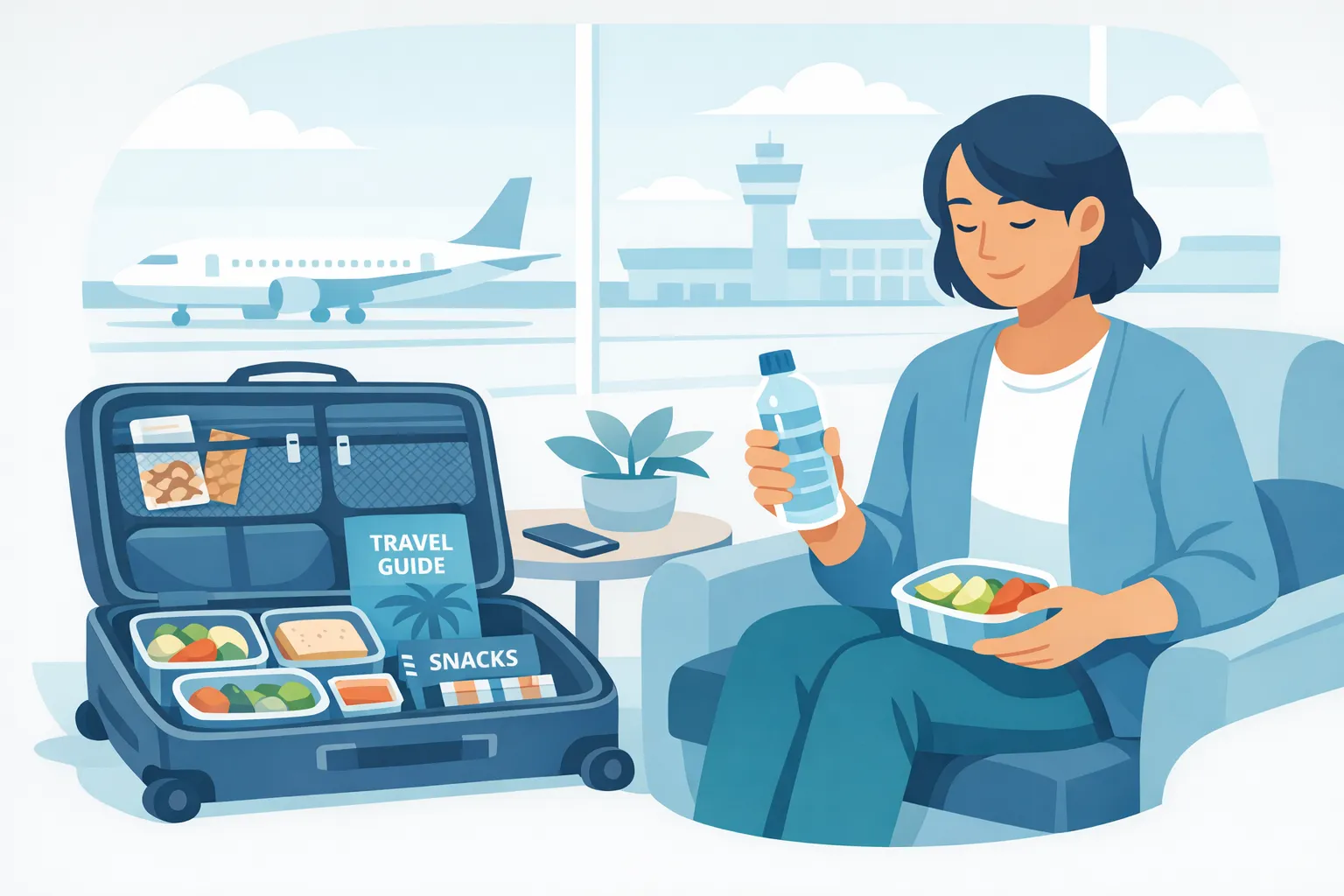
Managing your chronic kidney disease (CKD) diet and fluid limits while traveling involves careful planning, mindful food choices, and staying informed about your destination. Travelers with CKD often face challenges in adhering to dietary restrictions and fluid management due to unfamiliar foods, language barriers, and different healthcare systems. However, with the right strategies, you can maintain your health and enjoy your journey.
For many living with CKD, travel can feel daunting. The prospect of navigating new environments while adhering to strict dietary and fluid restrictions can seem overwhelming. You may worry about finding suitable meals, measuring fluid intake accurately, or understanding nutrition labels in a foreign language. Additionally, the stress of travel can sometimes trigger symptoms, making management even more crucial.
Yet, traveling with CKD doesn't have to be stressful. By preparing in advance and utilizing resources such as WHO and CDC guidelines, you can plan ahead to ensure your dietary needs are met wherever you go. This guide will provide practical advice and empower you with the knowledge needed to enjoy your travels without compromising your health. From pre-trip planning to on-the-ground strategies, we aim to make your journey as smooth as possible while keeping your well-being at the forefront.
What travellers with this condition need to know
Travelling with chronic kidney disease (CKD) requires awareness of the unique challenges posed by dietary and fluid restrictions. While the adventure of exploring new destinations is exciting, understanding the risks can help ensure a healthy and enjoyable trip. Below, we outline key risks and physiological considerations travelers with CKD should be aware of.
Fluid Overload
One significant risk for travelers with CKD is fluid overload, which occurs when the body retains more fluid than it can handle. This can lead to complications such as hypertension and edema. The kidneys of individuals with CKD have a reduced capacity to eliminate excess fluids, making careful fluid management crucial. While traveling, changes in climate or increased physical activity may increase thirst, tempting individuals to consume more fluids than recommended. The CDC advises individuals with CKD to consistently monitor their fluid intake to prevent adverse effects (CDC).
Electrolyte Imbalance
Another concern is electrolyte imbalance, particularly concerning sodium, potassium, and phosphorus levels. Foods high in these electrolytes can exacerbate CKD symptoms and lead to complications such as heart arrhythmias or muscle weakness. Travelers should be aware of local cuisines that may contain hidden sources of these electrolytes. For example, dishes in some regions may be high in salt or potassium. The National Kidney Foundation provides guidance on maintaining electrolyte balance while traveling (National Kidney Foundation).
Access to Medical Care
Access to appropriate medical care is another critical consideration for CKD travelers. The availability and quality of healthcare services can vary significantly across destinations. It is vital for travelers to research the local healthcare facilities and know how to access medical care if needed. The World Health Organization (WHO) recommends that travelers with chronic conditions, including CKD, carry a medical ID, a summary of their medical history, and a list of current medications (WHO).
Travelers with CKD should also consult their healthcare providers before departure to tailor their travel plans to their specific needs. It is essential to remain informed and prepared to navigate the dietary and fluid management challenges that may arise during travel.
Before you travel: a practical checklist
- Consult your healthcare provider at least 4-6 weeks before your trip to discuss your travel plans and ensure your CKD is stable enough for travel. This consultation is vital to address any specific health concerns and obtain medical clearance.
- Request a letter from your doctor outlining your CKD condition, current treatment plan, and any medications you are taking. This documentation can be crucial in case you need medical assistance abroad.
- Research the availability of dialysis facilities or nephrologists at your destination, especially if you are on dialysis. This ensures you have access to necessary treatments and can continue your care uninterrupted.
- Prepare a detailed list of your medications, including dosages and generic names, to avoid confusion in countries with different brand names or formulations.
- Check with your airline about the regulations for carrying medications and medical equipment, ensuring everything is permissible in your carry-on luggage to avoid loss or damage.
- Identify the local cuisine and typical ingredients of your destination to plan ahead and avoid foods high in potassium, phosphorus, or sodium that could exacerbate your condition. Consulting resources like the National Kidney Foundation can provide useful insights.
- Pack non-perishable CKD-friendly snacks, such as unsalted nuts or low-sodium crackers, to have healthy options available when local food choices are limited.
- Plan to maintain your fluid intake limits by bringing a reusable water bottle with clear measurements to help track your consumption accurately.
- Ensure you have travel insurance that covers pre-existing conditions, including CKD, to provide financial protection against unexpected medical expenses.
- Update your travel companions about your dietary and fluid restrictions so they can support you in making safe choices during meals and activities.
- Familiarize yourself with emergency contact numbers and healthcare facilities at your destination to quickly access help if needed.
During your trip: managing it abroad
While enjoying your travels, managing your CKD diet and fluid limits is crucial to avoid complications. Here are practical strategies to help you navigate dietary and fluid restrictions while abroad:
Stay Hydrated, But Not Over-Hydrated
Monitor your fluid intake closely. Most CKD patients should limit fluid intake to 1.5-2 liters per day, but consult your healthcare provider for personalized guidance. Use a water bottle with marked measurements to track your daily consumption. If you're flying, remember that airplane cabins can be dehydrating. Politely inform the cabin crew that you need to monitor your fluid intake: “I have a medical condition requiring careful fluid management; could I have a smaller glass, please?”
Adjust Meal Choices
Research local cuisine in advance to identify CKD-friendly options. Prioritize meals that are low in sodium, potassium, and phosphorus. Eating out? Opt for grilled or steamed dishes without sauces. Carry a card that explains your dietary restrictions in the local language to communicate with restaurant staff effectively. The ISTM recommends avoiding street food, which often contains high levels of salt and preservatives.
Medication and Supplements
Adhere to your medication schedule diligently. If crossing time zones, adjust your dosing intervals to maintain your usual regimen. Consult your doctor for guidance on adjusting your schedule safely. Store medications at a stable temperature, ideally below 25°C (77°F), and in their original packaging to avoid confusion. If you need to purchase medication abroad, present this sentence to a pharmacist: “I have chronic kidney disease and need to ensure this medication is safe for my condition.”
Monitoring and Emergency Care
Monitor for symptoms like swelling, shortness of breath, or fatigue, which can indicate fluid overload. The CDC advises seeking medical attention if these symptoms occur suddenly or worsen. Locate the nearest medical facility upon arrival at your destination, and keep your healthcare provider’s contact information handy for consultations if needed.
By implementing these strategies, you can manage your CKD diet and fluid limits effectively, ensuring a safe and enjoyable travel experience. For more detailed guidance, consult the WHO or CDC websites for resources on managing chronic conditions while traveling.
How this changes by destination and situation
Traveling with CKD requires adapting to various conditions that could impact your dietary and fluid management. Understanding how different environments and situations can alter your needs is crucial for maintaining your health. Here’s how certain factors may change your approach:
| Situation | Specific Changes |
|---|---|
| Heat | In hot climates, the risk of dehydration increases, requiring careful monitoring of fluid intake to balance CKD restrictions with staying hydrated. Adjusting your diet to include more hydrating foods like fruits and vegetables while monitoring sodium intake is essential. WHO guidance |
| Altitude | Higher altitudes can lead to increased urination and risk of dehydration. Travelers may need to adjust their fluid intake and be cautious of symptoms like dizziness or fatigue, which could be exacerbated by altitude. CDC advice |
| Long-haul flight | Flying can lead to dehydration due to low cabin humidity. It's crucial to manage fluid intake to avoid dehydration while adhering to CKD limits. Opt for non-caffeinated, low-sodium beverages. ECDC recommendations |
| Cruise | While cruises offer a variety of food, the risk of excessive sodium intake is high. It's important to make informed food choices and monitor fluid retention, especially during excursions in warmer climates. ISTM resources |
| Limited healthcare infrastructure | Destinations with limited healthcare facilities may pose challenges in managing CKD. Travelers should carry an adequate supply of medications and have a contingency plan in case of a health issue. WHO fact sheets |
| Time-zone shift | Adjusting to a new time zone can affect medication schedules and meal times. It's important to adapt your routine gradually to maintain consistency in diet and fluid management. CDC destination insights |
In an emergency: what first responders need to know
In any emergency situation, it is crucial for first responders to quickly access essential health information about travelers with chronic kidney disease (CKD). Within the first thirty seconds, responders need to know the traveler’s CKD status, current medications, dialysis schedule (if applicable), and emergency contacts. This information is pivotal for making informed decisions about immediate care, particularly if the patient is unable to communicate.
Travelers should carry a medical ID card or wear a medical alert bracelet that clearly states their CKD status. This card or bracelet should include key details such as the name of the diagnosing physician, emergency contact numbers, and any critical allergies. It’s advisable to carry this information in both English and the local language of the travel destination to bridge any potential language barriers. Google's Translate app or other translation tools can be useful in preparing these translations in advance. Additionally, carrying a concise letter from your healthcare provider summarizing your condition and required treatments can further aid responders.
First responders should be aware that CKD patients may have specific fluid intake restrictions, which can influence the type and amount of fluids administered during emergency care. Understanding these restrictions is vital to avoid exacerbating the patient's condition. The World Health Organization provides guidelines on managing noncommunicable diseases, including CKD, which can help inform emergency protocols.
In summary, ensuring that your medical ID is visible and comprehensive, and translating critical information can significantly enhance the effectiveness of emergency response, ultimately safeguarding your health while traveling abroad.
How HealthPass helps
HealthPass simplifies managing your chronic kidney disease (CKD) diet and fluid limits while traveling through its suite of tools designed for travelers with chronic conditions. With HealthPass, you can store your comprehensive health records, ensuring that all your CKD-related information is accessible in one secure place. This feature is invaluable if you need to share your medical history with healthcare providers abroad.
The trip planning feature in HealthPass allows you to organize and manage your travel itinerary, including setting reminders for medication intake and fluid limits tailored to your CKD needs. This helps you stay on track with your health regimen without missing out on the joys of travel.
HealthPass also keeps you informed about destination-specific health requirements. This includes insights into dietary restrictions and fluid availability, which can vary widely by region. Having this information at your fingertips helps you make informed decisions and adapt your diet and fluid intake accordingly.
In case of an emergency, HealthPass provides an emergency card that first responders can easily access. This card includes vital CKD-related information, such as your current treatment plan and emergency contacts, ensuring that you receive appropriate care swiftly. For more on managing CKD during travel, visit the CDC's chronic disease portal.
Create your emergency card — it takes a minute and costs nothing.
Frequently asked questions
Q: Can I travel with CKD without worsening my condition?
A: Yes, you can travel with CKD by planning ahead and managing your diet and fluid limits carefully. It's essential to consult with your healthcare provider before traveling and follow their dietary recommendations to maintain your health during your trip. CDC Kidney Health provides general guidance.
Q: How can I manage my CKD diet when eating out?
A: Opt for restaurants that offer customizable meals where you can control sodium, potassium, and phosphorus levels. Inform the staff about your dietary needs and choose dishes that are grilled, baked, or steamed. Always carry a list of CKD-friendly foods to help make informed choices. WHO Healthy Diet offers more insights.
Q: What should I do if local foods are high in sodium?
A: When local foods are high in sodium, prioritize fresh fruits and vegetables and avoid processed or packaged foods. Opt for dishes with less sauce and ask for dressings on the side. Always taste before adding extra salt and drink water to balance sodium intake. Visit CDC on Sodium for more tips.
Q: Is it safe to drink tap water abroad with CKD?
A: The safety of tap water varies by destination. In many countries, opt for bottled or filtered water to avoid contaminants that could affect your kidney function. Always check local health guidelines or consult with your healthcare provider about water safety at your destination. WHO Drinking Water provides global information.
Q: How do I handle fluid restrictions during long flights?
A: On long flights, manage fluid intake by drinking small amounts of water at regular intervals. Avoid alcohol and caffeine as they can lead to dehydration. Discuss your fluid management plan with your healthcare provider before flying to ensure you maintain balance. CDC Air Travel offers additional advice.
Q: What should I pack for my CKD dietary needs?
A: Pack CKD-friendly snacks like unsalted nuts, low-sodium crackers, and dried fruits. Carry a travel-sized water filter and any prescribed medications. Have a list of your dietary restrictions and emergency contacts. Preparing these items ensures you can manage your CKD effectively while traveling. CDC Kidney Disease Prevention provides more detailed guidance.
What this guide does not cover
This guide does not cover the management of acute kidney issues or non-dietary complications that may arise during travel, such as changes in medication requirements or emergency dialysis needs. For these concerns, it is essential to have an open dialogue with your healthcare provider prior to departure. They can provide personalized advice and emergency contact information for specialists at your destination. Additionally, consider reaching out to the International Society of Travel Medicine (ISTM) for expert recommendations on travel health clinics worldwide that can support travelers with chronic kidney disease.
If something happens abroad, the people treating you need your conditions, medications and allergies in seconds — in a language they read.
This guide is intended for informational purposes and should not replace professional medical advice. Always consult your healthcare provider to tailor dietary and fluid management plans specific to your chronic kidney disease (CKD) status. For further information, please visit the Centers for Disease Control and Prevention (CDC) website.
Keep your medications, allergies and vaccinations with you abroad: a travel medical records app with an emergency card a doctor can read in five languages, or print a free emergency card in their language.