Your Guide to Safe and Enjoyable Travel with Type 1 Diabetes
Travel rules change. HealthPass does not update blog posts after they are published, so please check the current requirements before you travel.
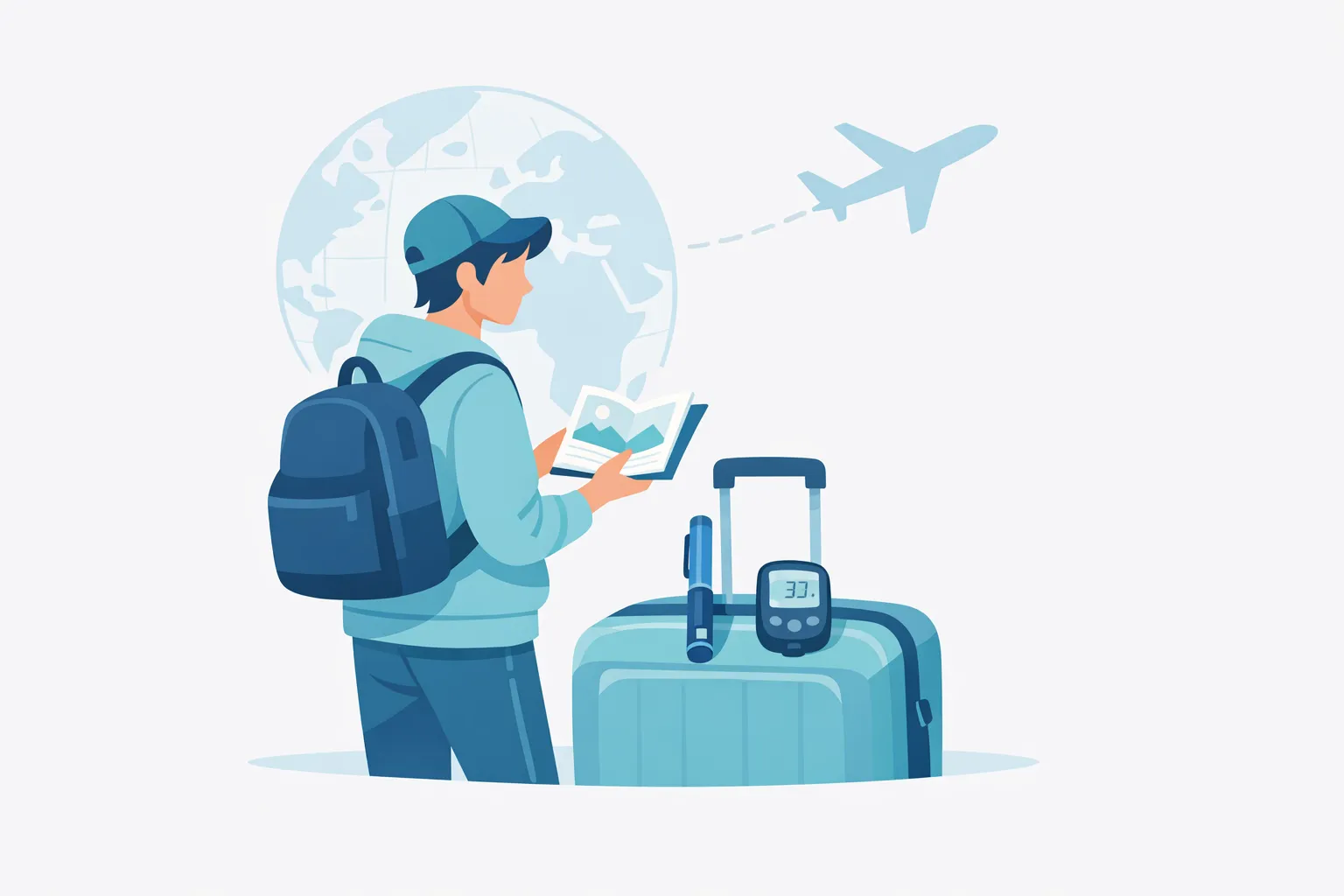
Traveling with Type 1 diabetes is entirely possible with proper preparation and awareness. By taking a few proactive steps, you can enjoy a worry-free journey, whether you're exploring urban landscapes or remote destinations. The key to successful travel is planning and understanding how to manage your diabetes effectively while on the move.
For travelers with Type 1 diabetes, the logistics of travel can pose unique challenges. Changes in time zones, varying meal schedules, and unfamiliar environments can all impact blood sugar levels. Moreover, the concern of managing insulin supplies and access to medical care abroad can be daunting. Yet, with the right knowledge and preparation, these challenges can be effectively managed, allowing you to focus on the adventure ahead.
Understanding your condition and how it interacts with different travel environments is crucial. According to the World Health Organization, maintaining consistent glucose control is essential for preventing complications. Traveling introduces variables like altered meal timing and physical activity levels, which require you to be adaptable and vigilant. Preparing a comprehensive travel plan that includes a checklist and emergency contact information can mitigate most concerns.
Stay informed and empowered to manage your diabetes with confidence. With a well-thought-out plan, you can ensure that your journey is not just safe, but also enriching and satisfying. Embrace the opportunity to explore new destinations while keeping your health a priority.
What travellers with this condition need to know
Traveling with Type 1 diabetes presents unique challenges, but with informed planning, these can be effectively managed. Understanding the risks associated with travel can empower you to have a safe and enjoyable journey. Here, we explore some key considerations for travelers with Type 1 diabetes.
Blood Glucose Variability
Travel can introduce a variety of factors that may influence blood glucose levels, including changes in time zones, diet, and activity levels. When crossing time zones, the schedule of insulin administration may need adjustment to maintain stable blood glucose levels. According to the CDC, travelers should closely monitor their blood glucose levels and adjust their insulin doses as needed to compensate for these changes. Additionally, awareness of how different foods and levels of physical activity can affect blood sugar is crucial while traveling.
Environmental Conditions
Different climates and altitudes can also impact insulin absorption and overall diabetes management. For instance, hot climates may increase insulin absorption, while cold conditions can slow it down. The WHO advises that travelers be mindful of environmental conditions that can affect their insulin and supplies. It's important to store insulin within the recommended temperature range to ensure its effectiveness. Furthermore, high altitudes may require adjustments to insulin dosages as they can affect blood glucose levels differently.
Illness and Infections
Travel can expose individuals to new environments and potential health risks, including infections, which can subsequently affect diabetes management. Illness can lead to fluctuations in blood glucose levels, necessitating careful monitoring and adjustment of insulin regimens. The CDC highlights the importance of being prepared for unexpected illnesses by carrying a sufficient supply of diabetes medications and supplies, as well as having a plan in place for accessing medical care if needed.
By understanding these risks and preparing accordingly, travelers with Type 1 diabetes can confidently navigate their journeys. Proper planning and knowledge are key to maintaining control over diabetes management while exploring the world.
Before you travel: a practical checklist
- Consult with your healthcare provider at least 4 to 6 weeks before departure to discuss your travel plans and ensure your diabetes management is optimized. This is crucial for adjusting your diabetes management plan if necessary.
- Obtain a letter from your doctor detailing your condition, medications, and any equipment you use, which can be essential for airport security and in case of emergencies.
- Ensure your vaccinations are up to date, as people with diabetes may be at higher risk for certain infections. Check the CDC's traveler's health page for specific recommendations: cdc.gov/travel.
- Research your destination for local healthcare facilities and diabetes care availability, which is vital in case you need medical assistance during your trip.
- Carry a sufficient supply of insulin and diabetes supplies to last the entire trip, plus an extra week's worth, to account for any unexpected delays or loss.
- Pack your supplies in your carry-on luggage to prevent loss or damage to your essential items in checked baggage.
- Invest in a medical ID bracelet that indicates you have Type 1 diabetes, which can be life-saving if you become incapacitated and need help from strangers or first responders.
- Familiarize yourself with the TSA's guidelines for traveling with medical supplies to ensure smooth passage through airport security. Visit the TSA website for details: tsa.gov/travel/security-screening/whatcanibring/medical.
- Prepare a list of carbohydrate counts for common foods in the local cuisine of your destination, as this will assist in managing your blood sugar levels effectively.
- Download a reliable health app that can track your glucose levels and provide reminders for medication, which can be invaluable for maintaining your routine away from home.
- Check your travel insurance policy to confirm it covers diabetes-related medical expenses abroad, giving you peace of mind in case of any unexpected health issues.
During your trip: managing it abroad
Successfully managing Type 1 diabetes while traveling involves staying vigilant about your health and making informed decisions. Here are practical strategies to help you maintain control over your condition during your travels:
Monitor Your Blood Sugar Regularly
Staying on top of your blood glucose levels is crucial. Check your blood sugar every 4 to 6 hours, especially if you're crossing time zones, which can disrupt your usual schedule. According to the CDC, being more vigilant with monitoring is essential to adjust insulin doses accordingly.
Manage Insulin Storage and Temperature
Insulin must be kept at the right temperature to remain effective. Store your insulin in an insulated travel case, ideally between 36°F (2°C) and 46°F (8°C). If refrigeration is unavailable, the WHO advises keeping insulin cool and out of direct sunlight.
Adjust Dosing and Meal Times
Traveling across different time zones may require adjusting your insulin dosing schedule. A general guideline is to make gradual changes of 1 to 2 hours per day in the days leading up to your travel. Consult with your healthcare provider for personalized advice. Remember to carry snacks to manage unexpected delays or meal changes.
Know When to Seek Medical Help
If you experience persistent high blood sugar levels above 240 mg/dL (13.3 mmol/L) despite corrective measures, or if you have symptoms of diabetic ketoacidosis (such as nausea, vomiting, or abdominal pain), seek medical attention immediately. The CDC recommends being aware of healthcare facilities near your travel destination.
Communicate with Local Pharmacists and Crew
If you require assistance, knowing how to communicate your needs is vital. You might say to a pharmacist, "I have Type 1 diabetes and need advice on managing my insulin here." To cabin crew, you could say, "I have Type 1 diabetes and may need help with meal timing during the flight."
By following these guidelines, you can effectively manage your Type 1 diabetes while enjoying the journey. Remember, preparation and awareness are your best tools for a safe and fulfilling travel experience.
How this changes by destination and situation
| Situation | What Specifically Changes |
|---|---|
| Heat | In hot climates, insulin absorption can increase, potentially leading to hypoglycemia. It's crucial to regularly check blood sugar levels and stay hydrated. Insulin and supplies should be kept cool, as high temperatures can degrade their effectiveness. The World Health Organization advises travelers to take precautions in extreme heat conditions to prevent heat-related illnesses. (WHO) |
| Altitude | At high altitudes, physical exertion and reduced oxygen can affect blood sugar levels. The body may also respond differently to insulin. Monitor your glucose more frequently and adjust insulin doses as needed. The Centers for Disease Control and Prevention highlight that travelers should be aware of altitude sickness symptoms and manage their condition accordingly. (CDC) |
| Long-haul Flight | Time-zone changes and prolonged inactivity can disrupt blood sugar management. It's important to adjust insulin and meal schedules according to your destination's time zone. The International Society of Travel Medicine recommends staying hydrated, moving around the cabin periodically, and planning for insulin administration across different time zones. (ISTM) |
| Cruise | Cruise ships may have limited medical facilities, and buffet-style dining can challenge meal planning. Carry sufficient diabetes supplies and snacks. Review the ship's medical capabilities and protocols for handling diabetes-related emergencies. The CDC advises travelers to be prepared for limited healthcare access in such settings. (CDC) |
| Limited Healthcare Infrastructure | In areas with limited healthcare, access to insulin and medical supplies may be challenging. It's crucial to carry a comprehensive supply of diabetes management tools. The WHO suggests researching healthcare facilities and preparing for self-management in remote areas. (WHO) |
In an emergency: what first responders need to know
In an emergency situation, clear and rapid communication about your Type 1 diabetes is crucial. First responders need to be aware of your condition within the first thirty seconds to provide appropriate care. Here’s what they should know:
- Medical Alert Identification: Wear a medical ID bracelet or necklace that clearly states "Type 1 Diabetes." This should be visible and indicate your insulin dependency.
- Emergency Contacts: Keep a card in your wallet or a note on your phone with emergency contact numbers, including your healthcare provider and a family member or friend who understands your condition.
- Insulin and Medication Information: Document the type of insulin you use and any other medications you take. This information should be easily accessible, preferably alongside your medical ID or in a clearly marked section of your bag.
- Glucose Supply Location: Indicate where you keep your glucose supplies. This includes glucose tablets or gel, which are essential for treating hypoglycemia quickly.
Language barriers can complicate communication in emergencies, especially if you are traveling in a country where you do not speak the language fluently. To mitigate this, consider carrying a card that briefly explains your condition in the local language. This card should include the phrase "Type 1 Diabetes" and instructions for administering glucose or insulin, if necessary. The CDC recommends using translation apps or services to prepare such materials before your trip.
By taking these steps, you ensure that first responders can access essential information swiftly, enabling them to provide the best possible care in an emergency.
How HealthPass helps
HealthPass offers several features that are invaluable for travelers managing Type 1 diabetes. First, the health records feature allows you to store and access your medical documentation digitally. This ensures that you have your critical health information readily available, saving you the hassle of carrying physical documents and ensuring that you can provide accurate information to healthcare providers if needed.
For trip planning, HealthPass assists by keeping track of your travel itinerary and aligning it with your diabetes management needs. This coordination helps in preparing for different time zones and meal planning, reducing the risk of unexpected blood sugar fluctuations.
When it comes to understanding destination requirements, HealthPass provides updated information about local health regulations and diabetes-specific considerations, such as access to medical supplies and emergency services. This knowledge allows you to prepare adequately, minimizing potential disruptions to your diabetes management routine.
In case of an emergency, the emergency card feature is crucial. It provides essential health information to first responders, such as your condition and emergency contacts, ensuring they can quickly provide the appropriate care. This feature enhances your safety by facilitating effective communication when it matters most.
Start your free HealthPass account — it takes a minute and costs nothing.
Frequently asked questions
Q: Can I bring my insulin on a plane?
A: Yes, you can bring insulin on a plane. The TSA and most international security agencies allow medications like insulin through security checkpoints. Always carry insulin in its original packaging with a prescription label, and keep it in your carry-on to prevent temperature fluctuations in checked baggage. For more, visit the TSA website.
Q: How do I manage blood sugar levels during long flights?
A: To manage blood sugar levels during long flights, monitor your glucose frequently and adjust your insulin as needed. Stay hydrated and opt for healthy snacks. Walking around the cabin periodically can help maintain circulation. Consult your healthcare provider for personalized advice based on your insulin regimen before traveling.
Q: What should I do if I run out of insulin while traveling?
A: If you run out of insulin while traveling, find a local pharmacy or hospital and present your doctor's note or prescription. HealthPass can help you store digital copies of these documents. You may also contact your home healthcare provider for guidance on securing insulin in your current location.
Q: Are there any foods to avoid when traveling with Type 1 diabetes?
A: While traveling, it's best to avoid foods high in sugar and refined carbohydrates, such as sugary drinks, pastries, and white bread. Opt for foods with complex carbohydrates, fiber, and protein to maintain stable blood sugar levels. Always carry quick-acting glucose sources, like glucose tablets, in case of hypoglycemia.
Q: How do I store insulin when traveling to hot climates?
A: In hot climates, insulin should be stored in a cool, insulated bag to maintain its efficacy. Avoid direct sunlight and extreme temperatures. Consider using cooling pouches or travel fridges designed for medication. The World Health Organization provides guidelines on proper insulin storage in different settings.
Q: Can I travel to high-altitude destinations with Type 1 diabetes?
A: Yes, you can travel to high-altitude destinations, but be aware that altitude can affect blood sugar levels and insulin sensitivity. Monitor your levels more frequently and adjust your insulin as necessary. Consult your healthcare provider before your trip for specific guidance tailored to high-altitude travel.
What this guide does not cover
While this guide provides comprehensive advice for traveling with Type 1 diabetes, it does not cover specific medical advice tailored to individual health circumstances. Each traveler’s condition is unique, and managing Type 1 diabetes while traveling can vary greatly depending on personal health factors, medications, and travel destinations. For personalized medical guidance, it is crucial to consult with your healthcare provider or an endocrinologist who understands your specific health needs. They can offer tailored advice and adjustments to your diabetes management plan. For further information, consult reputable sources such as the World Health Organization or the Centers for Disease Control and Prevention.
Keep this checklist, your medications and your documents in one place you can open at a border, a pharmacy or an emergency room.
This guide is for informational purposes only and does not replace professional medical advice. Consult your healthcare provider regarding travel plans, as individual needs may vary. For reliable health information, visit the World Health Organization or the Centers for Disease Control and Prevention. Traveling with diabetes requires personalized strategies based on your medical history.
Keep your medications, allergies and vaccinations with you abroad: a travel medical records app with an emergency card a doctor can read in five languages, or print a free emergency card in their language.