Empowering Tips for Traveling While Managing Kidney Disease
Travel rules change. HealthPass does not update blog posts after they are published, so please check the current requirements before you travel.
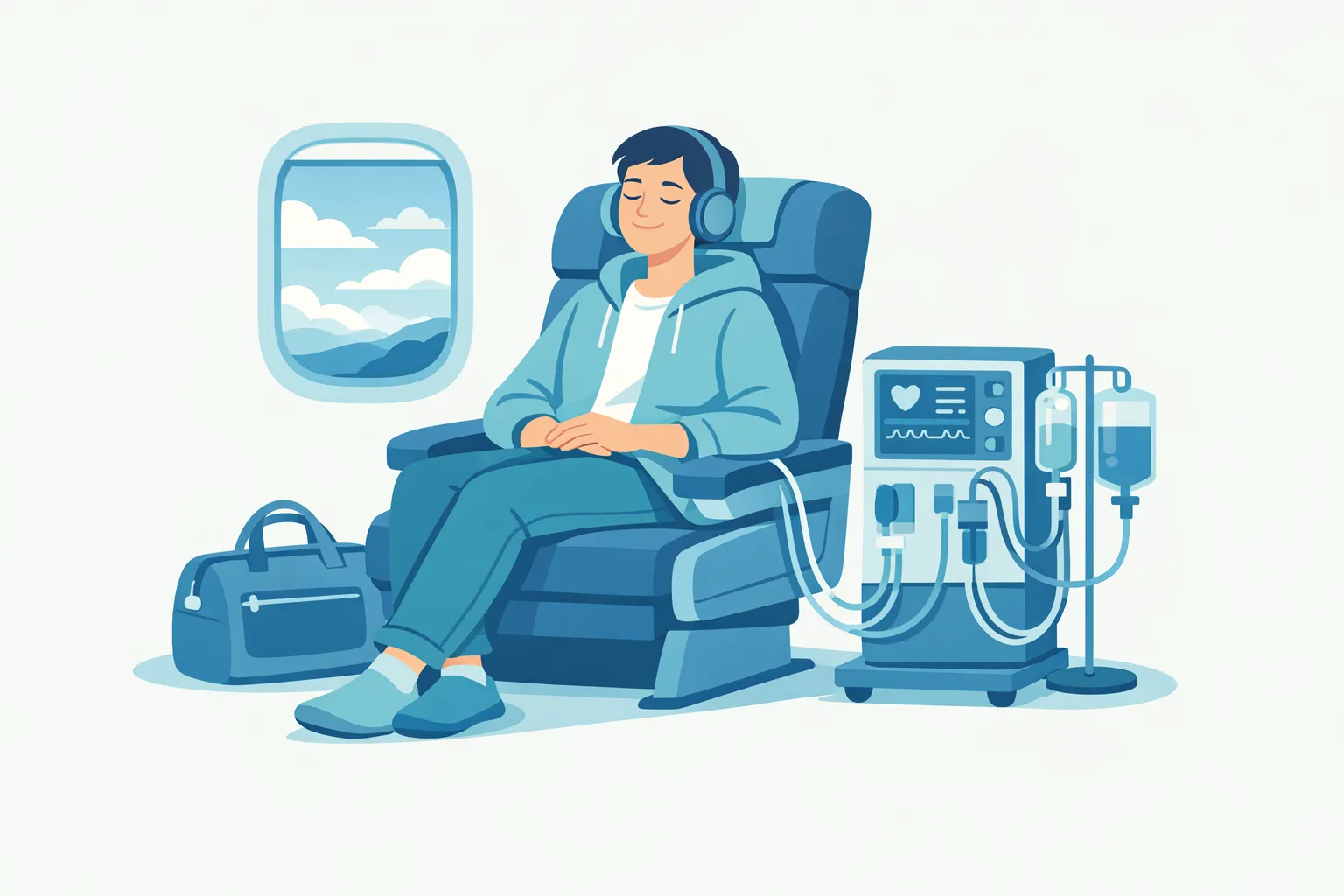
Traveling while managing kidney disease is entirely possible with the right preparation and knowledge. By understanding your condition and planning ahead, you can enjoy your travels while keeping your health a priority. Kidney disease presents unique challenges when traveling, but with the right strategies, you can mitigate risks and focus on the joys of your journey.
For individuals with kidney disease, travel can introduce concerns about accessing appropriate medical care, managing dialysis schedules, and ensuring safe food and water consumption. The unpredictability of travel can heighten these worries, making thorough preparation essential. According to the CDC, those with chronic kidney disease should be particularly mindful of their health when traveling, as changes in routine and environment can affect disease management.
Yet, with careful planning and a proactive approach, travelers with kidney disease can navigate these challenges. This guide aims to empower you with practical tips and resources to manage your condition effectively while traveling. Whether it's ensuring you have access to necessary medications, finding dialysis centers abroad, or understanding the health risks specific to your destination, being well-informed will help you travel with confidence.
Embrace the adventure without compromising your health by equipping yourself with the knowledge and tools necessary for a safe and fulfilling trip. With the right information and resources, traveling with kidney disease can be both manageable and rewarding.
What travellers with this condition need to know
Risk of Dehydration
Travelers with kidney disease are particularly vulnerable to dehydration, which can significantly affect kidney function. Kidney disease often impairs the body's ability to balance fluid levels, making it crucial to stay hydrated, especially in hot climates or during long flights. Dehydration can lead to increased blood pressure and further strain on the kidneys. Therefore, it's vital to monitor fluid intake and ensure regular hydration. For more information on how dehydration can impact health, visit the WHO travel and health page.
Medication Management
Traveling with kidney disease often involves managing a complex medication regimen. Different countries have varying regulations regarding carrying medications, which can be crucial for maintaining your treatment plan. It's important to carry an adequate supply of medications, along with copies of prescriptions and a letter from your healthcare provider. Ensure that the medications are stored properly, considering temperature and humidity, which can vary by destination. The INCB provides comprehensive information on the rules for carrying medicines across different countries.
Increased Risk of Infections
Individuals with kidney disease may have a compromised immune system, making them more susceptible to infections, particularly in unfamiliar environments. This risk is heightened in areas with poor sanitation or where certain infectious diseases are prevalent. It is advisable to be up-to-date with vaccinations and to practice good hygiene, such as frequent handwashing and drinking safe water. Additional information on travel-related health risks can be found on the CDC Travelers' Health site.
By understanding these risks and taking proactive measures, travelers with kidney disease can better manage their health while exploring new destinations. Always consult with your healthcare provider before traveling to discuss specific risks and strategies tailored to your individual health needs.
Before you travel: a practical checklist
- Consult with your nephrologist at least six to eight weeks before your travel date to review your health status and discuss your travel plans. This ensures any necessary adjustments to your treatment can be made in advance.
- Research medical facilities at your destination that offer dialysis, if required, and book your sessions in advance. This is crucial as availability can be limited, especially in less developed regions.
- Verify the availability of your medications at your destination. Some medications may not be available abroad, so plan to carry a sufficient supply with you.
- Obtain a letter from your doctor detailing your medical condition, medications, and any specific requirements. This can be invaluable in case of an emergency or if security checks require explanation.
- Check with your airline about their policies on carrying medication and medical equipment. Some airlines may require advance notice or specific documentation.
- Ensure you have comprehensive travel insurance that covers kidney disease and related services. Verify that your insurance covers dialysis and other treatments abroad.
- Stay updated on vaccination requirements and recommendations for your destination by consulting resources like the World Health Organization. Some vaccines may be contraindicated, so it’s important to discuss this with your healthcare provider.
- Pack a travel kit with essentials such as bottled water, snacks suitable for your dietary needs, and a first-aid kit. Staying hydrated and maintaining your diet is crucial for kidney health.
- Learn key phrases in the local language related to your condition and medical needs. This can facilitate communication in non-English speaking areas.
- Plan for rest and recovery time in your itinerary. Overexertion can affect your health, so include downtime to relax and recharge.
- Keep an emergency contact list, including your healthcare provider's details, readily accessible. This ensures quick access to support if needed during your travels.
During your trip: managing it abroad
Traveling with kidney disease requires careful management to ensure your well-being. Once you’ve arrived at your destination, continue to prioritize your health with practical strategies.
Hydration and Nutrition
Maintaining proper hydration is crucial. Aim for a consistent intake of fluids, aiming for about 1.5 to 2 liters of water per day, unless advised otherwise by your healthcare provider. Avoid excessive alcohol and caffeine, which can contribute to dehydration. Be mindful of local water safety and opt for bottled or boiled water when uncertain. For dietary needs, plan your meals to align with your renal diet. Consider carrying non-perishable snacks like low-sodium crackers or nuts to manage hunger while adhering to your dietary restrictions.
Medication Management
Ensure that you take your medication as prescribed, keeping track of dosing intervals to maintain efficacy. If crossing time zones, adjust your medication schedule accordingly. For instance, if you take your medication every 12 hours, gradually shift the timing over a couple of days before departure to align with the new time zone. Always store your medication at the recommended temperature, usually below 25°C (77°F), and use a cooler bag if necessary.
Temperature and Activity
Extreme temperatures can affect kidney function. If traveling in hot climates, reduce physical exertion during peak sunlight hours (typically 10 a.m. to 4 p.m.) and seek shade or air-conditioned environments. Monitor your body’s response to altitude if visiting high-altitude destinations, as this may impact oxygen levels and kidney function. Listen to your body and rest when needed.
When to Seek Medical Help
Be vigilant for symptoms that warrant medical attention, such as a sudden change in urine output, severe headache, or swelling in the legs and feet. These could indicate complications needing prompt care. Should you experience any of these symptoms, contact local medical services immediately. In an emergency, inform first responders of your condition: “I have kidney disease and need to see a doctor urgently.”
Communicating with Healthcare Providers
Carry a translated note, if applicable, detailing your medical condition, medications, and emergency contacts. This can be invaluable in non-English speaking countries. When visiting a pharmacy, you might say, “I need assistance with kidney disease medication,” to ensure they understand your requirements.
By actively managing your condition throughout your travels, you can focus on enjoying your journey while maintaining your health.
How this changes by destination and situation
Traveling with kidney disease requires adaptability, as conditions can vary significantly by destination and situation. Here’s how different scenarios might affect your management plan:
| Situation | What Changes |
|---|---|
| Heat | High temperatures can increase the risk of dehydration and heat exhaustion, which are particularly challenging for individuals with kidney disease. It's essential to drink plenty of fluids and avoid prolonged sun exposure. Adjust your activity levels to avoid overheating and seek shaded or air-conditioned environments when possible. |
| Altitude | At higher altitudes, oxygen levels are lower, which can exacerbate fatigue and reduce kidney function efficiency. It's crucial to acclimatize gradually and monitor symptoms like shortness of breath and unusual tiredness. Consult the World Health Organization (WHO) for more information on managing health at high altitudes. |
| Long-haul flight | Extended periods of immobility during long flights can increase the risk of deep vein thrombosis (DVT). To mitigate this, stay hydrated, move around the cabin periodically, and consider wearing compression stockings. The Centers for Disease Control and Prevention (CDC) provides guidelines on reducing health risks during flights. |
| Cruise | While cruises offer accessible medical care, changes in diet and routine can affect kidney health. Ensure you have access to dialysis services if needed and communicate your dietary requirements to the staff. The International Society of Travel Medicine (ISTM) offers advice on health management aboard cruises. |
| Limited healthcare infrastructure | In regions with limited medical facilities, it's vital to have a well-prepared medical kit and a clear understanding of your treatment needs. Carry a letter from your nephrologist detailing your condition and necessary medications. Research the availability of care and plan accordingly. |
In an emergency: what first responders need to know
In the event of an emergency, it is crucial for first responders to have immediate access to key information about your kidney disease. This information should include your diagnosis, any medications you are taking, and contact details for your nephrologist or healthcare provider. Wearing a medical alert bracelet or necklace that clearly states "Kidney Disease" is highly recommended, as it provides instant awareness of your condition and can guide appropriate response actions.
Additionally, carry a comprehensive medical information card in your wallet or travel bag. This card should be in English and, if applicable, translated into the language of your travel destination to overcome any language barriers. The card should detail your medical history, current medications and dosages, allergies, and emergency contact information. The Centers for Disease Control and Prevention (CDC) suggests that travelers with chronic conditions maintain such a card for added safety (www.cdc.gov).
In situations where language differences might impede communication, a smartphone app that provides real-time translation can be invaluable. Ensure that any medical apps you use are available offline, as internet access may be unreliable in some areas. Proactively sharing this information with any travel companions can also ensure they are prepared to communicate your needs if necessary.
By preparing these essential materials and communicating your medical needs clearly, you empower first responders to act swiftly and accurately, potentially reducing complications during an emergency. Remember, preparation is key to traveling safely with kidney disease, allowing you to explore the world with confidence and peace of mind.
How HealthPass helps
HealthPass provides a suite of tools designed to support travelers with kidney disease, ensuring a smoother and safer journey. One of the most valuable features is the digital health records storage. By securely storing your medical history, medication regimens, and nephrologist contact information, HealthPass makes it easy to access crucial information anytime, anywhere. This can be pivotal in emergencies or when seeking medical assistance abroad.
The trip planning feature allows you to organize all travel-related health needs in one place. You can input your itinerary and receive reminders for hydration and medication schedules, helping you manage your condition proactively. Additionally, HealthPass provides up-to-date information on destination-specific health requirements, ensuring you are always prepared for local healthcare protocols and available facilities.
In case of an emergency, the HealthPass emergency card is an essential tool. It displays critical health information, such as your kidney disease diagnosis, medications, and emergency contacts, directly on your phone for quick access by first responders. This can facilitate prompt and appropriate medical care, potentially averting complications.
By integrating these capabilities, HealthPass empowers travelers with kidney disease to maintain their health while exploring the world, providing peace of mind and practical support throughout their journey.
Start your free HealthPass account — it takes a minute and costs nothing.
Frequently asked questions
Q: Can I travel internationally with kidney disease?
A: Yes, you can travel internationally with kidney disease by planning carefully. Consult your healthcare provider, ensure access to medical care at your destination, and manage your medication and dietary needs effectively. The CDC provides travel health information that is invaluable for planning international trips. cdc.gov
Q: How do I find dialysis centers abroad?
A: Researching in advance is key to finding dialysis centers abroad. Websites like the International Society of Nephrology help locate centers and provide contact information. Always confirm arrangements before your trip and carry your medical records for seamless service. theisn.org
Q: What should I pack for a trip with kidney disease?
A: Pack all necessary medications, medical documents, and a travel health kit including hydration supplies and snacks. Keep electronic copies of prescriptions and medical records. The WHO suggests carrying contact details for your healthcare providers. who.int
Q: How can I manage my diet while traveling?
A: Managing your diet while traveling involves planning meals that adhere to your dietary restrictions. Research local cuisine beforehand and consider accommodations with kitchen facilities. The CDC provides resources on maintaining dietary health while traveling. cdc.gov
Q: What should I do if I feel unwell during my trip?
A: If you feel unwell, seek medical attention promptly. Have a list of local healthcare facilities ready and carry emergency contact information. Inform them of your kidney condition immediately. The ECDC provides guidance on seeking healthcare abroad. ecdc.europa.eu
Q: Are there any vaccines I should get before traveling?
A: Certain destinations may require vaccines, which should be discussed with your healthcare provider. Some vaccines are recommended for travelers with chronic conditions. The CDC offers comprehensive travel vaccination guidelines. cdc.gov
What this guide does not cover
While this guide offers comprehensive advice for traveling with kidney disease, it does not cover individual-specific medical guidance tailored to your unique health needs. Each person's situation and health condition are different, and managing kidney disease while traveling requires personalized medical advice. For this reason, it is crucial to consult your nephrologist or healthcare provider to address any specific concerns or questions you may have before embarking on your journey. Always rely on professional medical advice for your individual health needs, as this guide is intended to complement, not replace, personalized medical counsel. For more information, visit the World Health Organization or Centers for Disease Control and Prevention websites.
Keep this checklist, your medications and your documents in one place you can open at a border, a pharmacy or an emergency room.
This guide is designed for informational purposes and does not replace professional medical advice. Always consult your healthcare provider for personalized guidance tailored to your health needs and travel plans. For more information on managing chronic conditions while traveling, visit the World Health Organization or Centers for Disease Control and Prevention.
Keep your medications, allergies and vaccinations with you abroad: a travel medical records app with an emergency card a doctor can read in five languages, or print a free emergency card in their language.