Ensuring Safe Travels for Children with Medical Needs
Travel rules change. HealthPass does not update blog posts after they are published, so please check the current requirements before you travel.
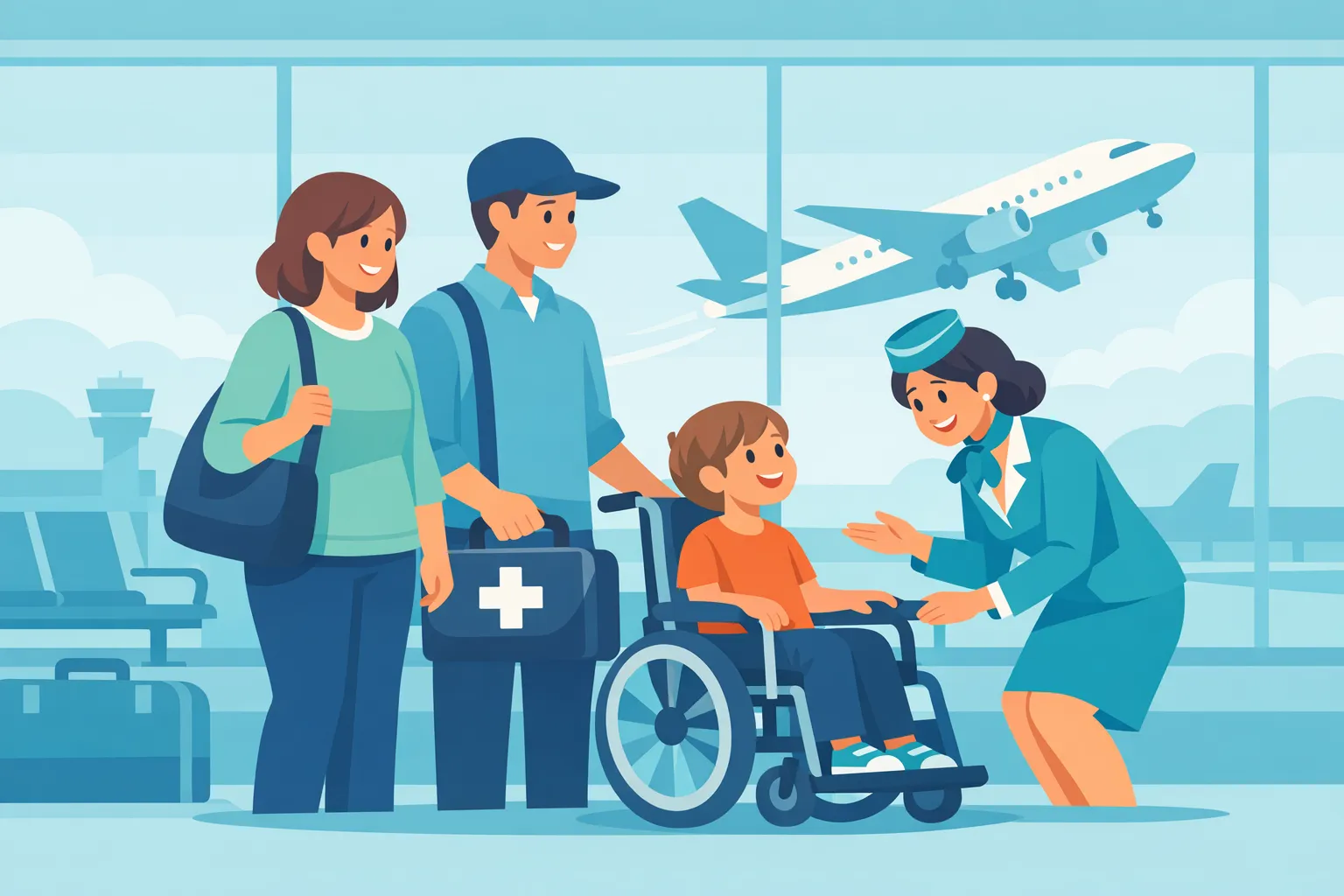
Traveling with children who have medical needs requires a thoughtful approach to ensure their safety and well-being. With proper planning and preparation, families can embark on enjoyable and secure adventures. The key to a successful trip lies in understanding the specific medical requirements of your child and integrating them into your travel plans.
Parents of children with medical needs often face the challenge of balancing the excitement of travel with the necessity for safety and medical vigilance. Concerns about medication management, access to medical care in diverse locations, and the unpredictability of emergencies can create anxiety. These are valid concerns, but they should not deter families from exploring the world.
The World Health Organization (WHO) emphasizes the importance of preparedness when traveling with chronic conditions, which can help mitigate risks and enhance the travel experience. For children, this means having a comprehensive understanding of their condition, organizing necessary medical supplies, and communicating effectively with healthcare providers both at home and abroad.
Traveling with a child who has medical needs might require extra steps, but it also offers the opportunity for memorable family experiences. With the right resources and planning, parents can feel empowered to navigate potential challenges. This guide aims to provide practical advice and support, ensuring that your family can enjoy safe travels, no matter the destination.
Make your free emergency medical card — in five languages a doctor abroad can read. No sign-up.
What travellers with this condition need to know
Risk of Dehydration
Traveling can increase the risk of dehydration in children with medical needs due to changes in climate, physical activity, and altered routines. Dehydration can exacerbate existing medical conditions, such as those affecting the kidneys or requiring strict fluid management. It is crucial to monitor your child’s fluid intake and be aware of the signs of dehydration, which include dry mouth, drowsiness, and decreased urine output. The CDC provides guidelines on managing hydration during travel, emphasizing the importance of frequent fluid intake, particularly in hot climates or during flights where humidity is low. For more information, visit the CDC Travelers' Health website.
Changes in Air Pressure
Air travel introduces changes in cabin pressure, which can affect children with respiratory conditions or those requiring supplemental oxygen. The WHO notes that at cruising altitude, the cabin pressure in aircraft is equivalent to being at an elevation of 1,800 to 2,400 meters above sea level, which can pose a challenge for children with certain medical needs. Parents should consult with their healthcare provider to assess the need for oxygen therapy or other interventions during flights. To understand more about how air travel might affect your child’s health, refer to the WHO travel and health resources.
Infections and Immunocompromised Children
Children with weakened immune systems are more susceptible to infections, especially when traveling to areas with different pathogens than they are accustomed to. The ECDC highlights the importance of vaccinations and preventive measures such as hand hygiene and avoiding exposure to sick individuals. When planning your itinerary, consider destinations with adequate healthcare facilities and familiarize yourself with local health risks using resources like the ECDC topics A-Z. It's also advisable to carry a detailed health record and list of medications your child is taking, as recommended by the International Society of Travel Medicine.
Before you travel: a practical checklist
- Consult your child's healthcare provider at least six weeks before your trip to discuss your travel plans and obtain necessary medical advice or adjustments to your child's care plan. This ensures any needed vaccinations or changes to medication regimens can be addressed in a timely manner.
- Gather all necessary medical documents, including a letter from your child's doctor detailing their condition, medications, and specific care needs. This documentation is vital for communicating with healthcare professionals abroad.
- Check your destination's healthcare facilities to ensure they can accommodate your child's medical needs. This preparation will help you know where to go in case of an emergency.
- Research health risks at your destination, such as prevalent diseases or environmental concerns, and discuss preventive measures with your healthcare provider. The World Health Organization provides reliable health updates and recommendations.
- Ensure your travel insurance covers your child's specific medical needs, including potential emergencies and treatments abroad. Confirming this coverage will prevent unexpected expenses and ensure access to necessary care.
- Pack an ample supply of your child's medications, including extras in case of delays, and carry them in their original packaging with prescriptions. This will help avoid issues at customs and ensure your child has the necessary medication at all times.
- Prepare a list of your child's medications, including dosages and schedules, to share with any caregivers or medical staff if needed. This list will facilitate accurate care during your travels.
- Create a travel health kit with essential medical supplies, such as a thermometer, bandages, and any specific equipment your child may need. Having these items on hand is crucial for managing minor health issues promptly.
- Plan for hydration needs by bringing refillable water bottles and electrolyte solutions, as dehydration can worsen medical conditions. Staying hydrated is essential, especially when traveling to hot or high-altitude destinations.
- Arrange for special accommodations in advance, such as wheelchair access or dietary requirements, to ensure your child's comfort and safety throughout the journey. Confirming these arrangements ahead of time can prevent unnecessary stress and disruptions.
During your trip: managing it abroad
When traveling with a child who has medical needs, maintaining their health and comfort requires careful attention to their specific requirements. Here are practical strategies to ensure their well-being throughout your journey:
- Medication Management: Administer medications precisely as prescribed. Keep a timer or set alarms to remind you of dosing intervals, especially if crossing time zones disrupts your usual schedule. Always carry an extra supply of medication in case of travel delays.
- Temperature Control: Many medications, such as insulin, require specific storage temperatures. Ensure medications are stored between 2°C and 8°C (36°F and 46°F) using insulated bags or travel coolers. Check temperature guidelines on the World Health Organization (WHO) website for more information.
- Hydration and Nutrition: Maintain your child’s hydration by offering fluids regularly, especially in hot climates or at high altitudes. A good rule of thumb is to encourage drinking small amounts every 30 to 60 minutes. Consult the Centers for Disease Control and Prevention (CDC) for advice on hydration needs in different environments.
- Health Monitoring: Keep track of any changes in your child's condition. Be vigilant for symptoms such as fever over 38°C (100.4°F), persistent vomiting, or difficulty breathing, which require immediate medical attention. Have a list of local healthcare facilities and emergency numbers on hand.
- Communication with Professionals: If you need assistance, know the phrases to use. For instance, when approaching a pharmacist, you might say, "Can you help me find a medication that requires refrigeration?" or to a cabin crew member, "My child has a medical condition and may need additional water or support during the flight."
Ensure all caregivers (relatives, babysitters) understand these management tactics, especially if they might be responsible for your child at any point during the trip. With vigilance and preparedness, you can confidently manage your child's medical needs while enjoying your travels.
How this changes by destination and situation
Traveling with children who have medical needs requires adjustments based on the specific destination and situation. Different environments can present unique challenges that necessitate tailored strategies to maintain your child's health and comfort. Below is a guide to how these factors can change your travel preparations:
| Situation | What Specifically Changes |
|---|---|
| Heat | High temperatures can exacerbate dehydration and other medical conditions. It is crucial to keep your child hydrated and cool. The CDC advises parents to be vigilant about heat-related illnesses and to use sun protection measures. |
| Altitude | Traveling to high altitudes can affect children with respiratory or cardiovascular conditions. The WHO suggests acclimatization and monitoring for symptoms of altitude sickness, such as headaches or nausea. |
| Long-haul flight | Extended periods of immobility can increase the risk of deep vein thrombosis. Ensure your child moves regularly and stays hydrated. The CDC recommends wearing loose clothing and encouraging leg exercises during flights. |
| Cruise | Cruise ships may have limited medical facilities. It is important to bring sufficient medication and be aware of onboard medical services. The CDC provides guidelines for travelers with special medical needs on cruises. |
| Limited healthcare infrastructure | In regions with limited medical services, ensure you have a comprehensive medical kit and a plan for accessing care in emergencies. The WHO emphasizes the importance of understanding local healthcare capabilities. |
| Time-zone shift | Crossing time zones can disrupt medication schedules. Adjust your child's medication timing gradually to accommodate the new time zone, as recommended by the CDC. |
Understanding these adjustments and planning accordingly will empower you to navigate your travels confidently, ensuring the health and safety of your child throughout your journey.
In an emergency: what first responders need to know
In the event of a medical emergency, clear and concise information about your child's medical needs is crucial. First responders need to quickly understand the child's primary medical condition, any critical medications, allergies, and emergency contacts. This essential information should be easily accessible and can be stored in various forms to ensure it is quickly available when needed.
Medical ID Bracelet or Necklace: Equip your child with a medical ID bracelet or necklace engraved with key medical information. This should include any life-threatening allergies, significant medical conditions, and a contact number for a parent or guardian.
Emergency Information Card: Carry a printed emergency information card in your child's travel bag and your own. This card should detail your child's condition, medication dosages, allergies, and emergency contacts. Ensure the card is in both your native language and the local language of your destination. This will help overcome any language barriers and provide critical information to first responders.
Smartphone Health App: Utilize a smartphone health app to store and share your child's medical information. Most smartphones have built-in health apps that allow emergency services to access medical data without unlocking the phone.
Language Considerations: In destinations where language barriers may exist, consider using translation apps to create a brief guide that outlines essential medical information in the local language. The CDC provides guidance on preparing for travel with medical needs, which can be useful when planning cross-cultural communication: www.cdc.gov.
By ensuring this information is readily available and easily understood, first responders can provide appropriate care swiftly, safeguarding your child's health during emergencies.
How HealthPass helps
HealthPass provides valuable support for families traveling with children who have medical needs through several practical features. The health records feature allows you to store and access your child's medical history, including conditions, medications, and immunization records. This ensures that you have critical information readily available, which can be crucial when consulting with healthcare providers abroad or in emergencies.
The trip planning tools help you organize your travel itinerary while keeping your child's health requirements in mind. It aids in identifying potential healthcare facilities at your destination and suggests suitable activities and accommodations that align with your child's medical needs.
Understanding destination requirements is made easier with HealthPass. The platform provides updated information on vaccination requirements and health advisories from reputable sources such as the World Health Organization (WHO) and the Centers for Disease Control and Prevention (CDC). This helps you prepare adequately for travel, ensuring compliance with local health regulations.
The emergency card feature allows you to create a concise summary of your child's medical information, which can be easily shared with first responders. This card lists critical details such as medical conditions, allergies, and emergency contacts, enabling swift and informed decision-making in urgent situations.
Create your emergency card — it takes a minute and costs nothing.
Frequently asked questions
Q: What documents do I need for traveling with a child with medical needs?
A: Essential documents include your child's medical summary, a letter from their healthcare provider detailing their condition, medication prescriptions, and immunization records. The CDC advises carrying a travel medical kit. Ensure all documents are up-to-date and accessible during travel. CDC
Q: How can I find medical facilities at my travel destination?
A: Research medical facilities near your destination before traveling. The ISTM provides a directory of travel medicine clinics worldwide, which can be a helpful resource. Knowing the location of the nearest emergency services ensures preparedness in case of medical needs. ISTM
Q: What should I do if my child has a medical emergency while traveling?
A: In an emergency, quickly contact local emergency services and provide them with your child's medical information. Having a translated version of your child's medical needs can be crucial, especially in non-English speaking countries. The WHO offers guidance on emergency preparedness when traveling. WHO
Q: How do I ensure my child's medications are handled properly during travel?
A: Keep medications in their original packaging with clear labels. Carry a letter from your doctor explaining the necessity of the medication. Check airline regulations for carrying medications, and pack them in your carry-on to avoid issues with baggage delays. CDC
Q: What are tips for flying with a child who has medical equipment?
A: Notify the airline of any medical equipment your child will need during the flight. Arrive early to allow time for security checks. The TSA provides guidelines for traveling with medical devices, ensuring you know the procedures before your journey. TSA
Q: How can I manage my child's food allergies while traveling?
A: Research local cuisine and identify potential allergens. Carry allergy translation cards in the local language. The ECDC recommends carrying your own allergen-free snacks and having an emergency plan, including an action plan for accidental exposure. ECDC
What this guide does not cover
While this guide offers comprehensive advice for traveling with children who have medical needs, it does not cover rare or highly complex medical conditions that may require specialized travel arrangements. For parents of children with such conditions, consulting a specialist or a travel medicine expert is recommended. These professionals can provide tailored advice and strategies that go beyond the scope of general travel tips. Additionally, the World Health Organization (WHO) and the Centers for Disease Control and Prevention (CDC) offer resources for specific health concerns that may arise during international travel. For more detailed information, visit the WHO at who.int and the CDC at cdc.gov.
If something happens abroad, the people treating you need your conditions, medications and allergies in seconds — in a language they read.
Traveling with children who have medical needs can present unique challenges. This guide provides general advice, but it is not a substitute for professional medical consultation. Always consult your child's healthcare provider for personalized recommendations. For reliable health information, refer to resources such as the CDC and WHO.
Keep your medications, allergies and vaccinations with you abroad: a travel medical records app with an emergency card a doctor can read in five languages, or print a free emergency card in their language.