Understanding Health Risks When Traveling to Kenya
Travel rules change. HealthPass does not update blog posts after they are published, so please check the current requirements before you travel.
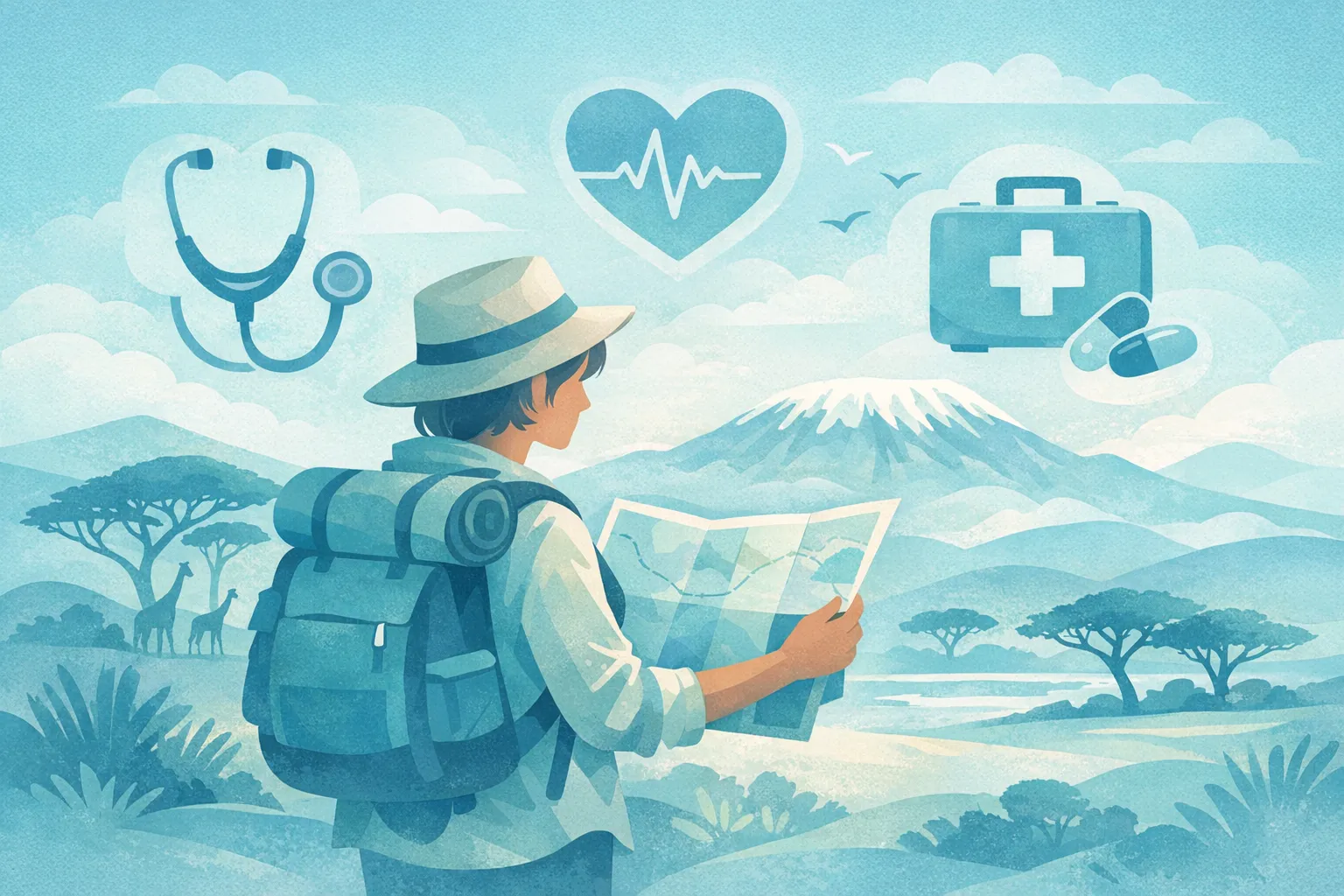
Traveling to Kenya involves health risks such as malaria, yellow fever, and traveler’s diarrhea, particularly for individuals with chronic conditions. Understanding these risks and taking appropriate precautions can significantly enhance your travel experience. For travelers with chronic conditions, the prospect of visiting Kenya might seem daunting. The key to a successful trip lies in being well-prepared, informed, and proactive about your health.
Kenya's diverse landscapes, from vibrant cities to expansive savannas, offer unique and rewarding experiences. However, its varying climates and regions also present specific health challenges that travelers need to be aware of. Individuals with chronic conditions such as diabetes, heart disease, or respiratory issues may face additional complexities due to factors like altitude, temperature variations, and accessibility to healthcare facilities.
It is crucial to assess your health needs and consult healthcare providers well ahead of your trip. This ensures you have the necessary medications, vaccinations, and health strategies in place. The World Health Organization (WHO) and the Centers for Disease Control and Prevention (CDC) provide comprehensive guidelines on travel health risks and preventive measures that are essential for travelers to Kenya. Armed with this information, you can make informed decisions about your itinerary and health management, ensuring a safer and more enjoyable journey.
Make your free emergency medical card — in five languages a doctor abroad can read. No sign-up.
What travellers with this condition need to know
Malaria Risk and Prevention
Malaria is a significant health risk in Kenya, particularly for travelers with chronic conditions who may have compromised immune systems. According to the World Health Organization (WHO), malaria is transmitted through the bites of infected Anopheles mosquitoes. Those with chronic illnesses such as diabetes or heart disease may experience more severe symptoms if infected. It is crucial to take preventive measures, including using insect repellent containing at least 20% DEET, wearing long-sleeved clothing, and sleeping under insecticide-treated bed nets. The CDC also recommends consulting a healthcare provider about antimalarial medication before travel.
Traveler’s Diarrhea and Hydration
Traveler’s diarrhea is another common risk, especially in regions where sanitation may be compromised. For those with gastrointestinal conditions or compromised immune systems, this can lead to severe dehydration and exacerbate existing health issues. The CDC advises travelers to consume only bottled or boiled water and avoid street food. It is also recommended to carry oral rehydration salts (ORS) and maintain hydration by drinking fluids regularly. Monitoring urine color can serve as a practical method to ensure adequate hydration during travel.
Yellow Fever Vaccination
Yellow fever is endemic in certain areas of Kenya, posing a risk to travelers, particularly those with chronic conditions who might be more vulnerable to severe disease. The WHO notes that yellow fever is transmitted by mosquitoes, and vaccination is the most effective way to prevent infection. The vaccine is recommended for travelers over nine months of age entering regions where yellow fever is present. Ensure you receive the vaccination at least 10 days before travel, as it requires time to become effective. Keep your International Certificate of Vaccination or Prophylaxis (ICVP) as proof of immunization, as it may be required for entry into certain areas.
Understanding these health risks and adopting preventative measures can significantly reduce complications for travelers with chronic conditions, allowing for a safer and more enjoyable journey in Kenya. Always consult your healthcare provider to tailor prevention strategies to your specific health needs and travel itinerary.
Before you travel: a practical checklist
- Consult your healthcare provider at least 4-6 weeks before departure to discuss your travel plans and any necessary adjustments to your chronic condition management. This timing allows for any necessary vaccinations or medication adjustments.
- Verify that your routine vaccinations are up to date, including measles, mumps, and rubella (MMR), tetanus, and diphtheria, to protect against outbreaks you might encounter in Kenya. The CDC recommends these vaccines for all travelers.
- Obtain a prescription for antimalarial medication, as advised by your healthcare provider, and begin taking it before your trip as directed. This is crucial given the high risk of malaria in Kenya. CDC
- Ensure you have a sufficient supply of your regular medication, plus extra in case of travel delays. Carry these in their original packaging with a copy of your prescriptions to avoid issues at customs.
- Purchase comprehensive travel health insurance that covers medical evacuation and treatment for your chronic condition, as healthcare facilities in Kenya may be limited in rural areas.
- Prepare a personalized health information card detailing your chronic condition, medications, allergies, and emergency contacts. This information is vital for first responders in case of an emergency.
- Get a yellow fever vaccination and an International Certificate of Vaccination or Prophylaxis (ICVP) as proof, since this is a requirement for entry into Kenya. WHO
- Consider packing a basic first aid kit, including over-the-counter medications for common ailments like traveler’s diarrhea, which is prevalent among visitors to Kenya.
- Check travel advisories and health alerts for Kenya via reliable sources such as the WHO or CDC to stay informed about any new health risks that may affect your condition.
- Plan your itinerary with rest periods and low-stress activities, as fatigue can exacerbate many chronic conditions. Ensure your travel schedule includes adequate time for medication and treatment adherence.
During your trip: managing it abroad
Travelling with a chronic condition requires vigilance and proactive management. While in Kenya, it's crucial to continue managing your condition effectively to ensure a safe and enjoyable trip. Here are essential strategies to consider:
- Temperature Management: Kenya's climate can range from hot and humid to cooler in the highlands. Keep your medications stored between 68°F and 77°F (20°C - 25°C) unless specified otherwise. Consider using a temperature-controlled travel bag for medications that require strict temperature regulation.
- Dosing Intervals: Adjust your medication schedule to the local time zone gradually to maintain consistency. Use reminder apps or set alarms to help keep track of dosing intervals, especially if they change due to time zone differences.
- Hydration and Nutrition: Stay properly hydrated, especially in hotter regions. Dehydration can exacerbate certain chronic conditions. Aim to drink at least 2 liters of water daily, and adjust according to activity level and climate. Be mindful of food hygiene; choose well-cooked foods and avoid raw or undercooked dishes to minimize the risk of traveler’s diarrhea.
- Recognizing Symptoms: Be aware of symptoms that could indicate a worsening of your condition. If you experience unusual symptoms such as persistent fever over 101°F (38.3°C), severe headache, or difficulty breathing, seek medical attention immediately. The CDC offers guidance on recognizing malaria symptoms, which can be accessed here.
- Pharmacy Communication: In case you need to purchase medication, clearly communicate your needs. You might say to a pharmacist, “I need medication for [your condition], and I take [dosage] every [interval].” This ensures you receive the correct dosage and formulation.
- On Flights: If you require assistance during flights, inform the cabin crew by saying, “I have a medical condition and may need assistance with [specific requirement].” This prepares the crew to provide the necessary support.
By proactively managing your condition and being prepared for potential challenges, you can enjoy your time in Kenya with greater peace of mind and focus on the enriching experiences the country has to offer.
How this changes by destination and situation
| Situation | What Specifically Changes |
|---|---|
| Heat | Kenya's climate varies greatly, with some regions experiencing extreme heat. For travelers with chronic conditions, this can exacerbate symptoms such as dehydration and increased heart rate. It's essential to stay hydrated and seek shaded areas during peak hours. WHO: Travel and Health |
| Altitude | Certain areas in Kenya, such as the Mount Kenya region, have high altitudes. This can lead to altitude sickness, particularly affecting those with respiratory or cardiovascular conditions. It's crucial to acclimatize gradually and consult a healthcare provider for tailored advice. CDC Travelers' Health |
| Long-haul flight | Flights to Kenya from many locations involve long durations, which can increase the risk of deep vein thrombosis (DVT) for travelers with certain chronic conditions. Regular movement and hydration are recommended during the flight. International Society of Travel Medicine |
| Limited healthcare infrastructure | Outside major cities, healthcare facilities in Kenya may be limited. Travelers with chronic conditions should prepare by carrying necessary medications and a summary of their medical history. CDC Destination Pages |
| Time-zone shift | Traveling across time zones can disrupt medication schedules and sleep patterns. It's important to adjust your medication timing gradually and use strategies to manage jet lag. ECDC Topics A-Z |
In an emergency: what first responders need to know
In the event of a medical emergency, it is crucial for first responders to quickly understand the specific needs of a traveler with chronic conditions. Within the first thirty seconds, they should be aware of the traveler’s condition, current medications, and any known allergies. This information should be easily accessible and ideally located in multiple places to ensure it is not overlooked.
Travelers should carry a medical information card that details their chronic condition, current medications, and emergency contact information. This card should be kept in a wallet or a visible location, such as a clear pocket inside a bag. Additionally, wearing a medical ID bracelet or necklace can provide immediate, crucial information in case the traveler is unable to communicate.
Language barriers can complicate emergency situations. To mitigate this, travelers should consider having their medical information card translated into the local language, Kiswahili, as well as English. Emergency contact numbers, such as the local embassy or a trusted local contact, should also be included to facilitate communication and coordination of care.
It’s important for travelers to familiarize themselves with the emergency medical services available in Kenya. The Ministry of Health in Kenya provides resources on available medical facilities and emergency services, which can be found on their official website. In urban areas, private hospitals often provide more comprehensive emergency care compared to public facilities.
By proactively equipping themselves with these tools, travelers with chronic conditions can enhance their safety and ensure that first responders can provide the most effective care in an emergency situation.
How HealthPass helps
HealthPass offers several key features designed to assist travelers with chronic conditions when visiting Kenya. These features provide peace of mind and practical support throughout your journey.
- Health Records: HealthPass allows you to securely store and access your medical history, current medications, and treatment plans. This information can be vital for healthcare providers in Kenya to understand your needs quickly and accurately, especially in case of an emergency.
- Trip Planning: With HealthPass, you can plan your trip by checking health advisories and vaccination requirements specific to Kenya, as recommended by the World Health Organization (WHO) and the Centers for Disease Control and Prevention (CDC). This ensures you are prepared for any health risks associated with your travel destination.
- Destination Requirements: HealthPass provides up-to-date information on entry requirements related to health, such as necessary vaccinations or health screenings that might be needed upon arrival in Kenya.
- Emergency Card: The digital emergency card feature ensures that first responders can access critical health information quickly. This includes your chronic condition details, emergency contacts, and language preferences, which are crucial in emergency situations.
By utilizing these features, HealthPass empowers travelers with chronic conditions to manage their health effectively and confidently while exploring Kenya.
Create your emergency card — it takes a minute and costs nothing.
Frequently asked questions
Q: Do I need any vaccinations to travel to Kenya?
A: Yes, vaccinations are recommended for travel to Kenya. The CDC advises that travelers should be up to date on routine vaccines and consider vaccines against yellow fever, typhoid, and hepatitis A. Consult your healthcare provider for personalized advice. CDC
Q: How can I prevent mosquito bites in Kenya?
A: Use insect repellent containing DEET, wear long-sleeved clothing, and sleep under a mosquito net to prevent bites. The WHO emphasizes the importance of these measures to reduce the risk of malaria and other mosquito-borne diseases. WHO
Q: Is the water safe to drink in Kenya?
A: In Kenya, it is generally advised to drink bottled or boiled water to avoid waterborne diseases. Traveler's diarrhea is a common issue, and the CDC recommends taking precautions with water and food to minimize risks. CDC
Q: Are there specific considerations for travelers with asthma in Kenya?
A: Travelers with asthma should be cautious of air quality, particularly in urban areas, and changes in climate. Keep rescue inhalers accessible and consult your healthcare provider before traveling. The ISTM provides resources on managing chronic conditions while traveling. ISTM
Q: What should I do if I feel unwell while in Kenya?
A: If you feel unwell, seek medical advice immediately. Carry information about your chronic condition and medications, and know the location of reliable medical facilities. The CDC recommends travelers be familiar with local healthcare options before travel. CDC
Q: How can I manage medication needs while traveling in Kenya?
A: Carry a sufficient supply of your medication in its original packaging, along with a copy of your prescription. The WHO advises having a plan for medication management, including knowledge of local pharmacies and potential medication restrictions. WHO
What this guide does not cover
While this guide provides comprehensive insights into managing health risks for travelers with chronic conditions visiting Kenya, it does not address personalized medical advice specific to individual health situations. Each traveler’s health needs and risks can differ, requiring tailored recommendations from a healthcare provider. It is crucial to consult with a qualified healthcare professional who understands your medical history and can offer personalized guidance. For authoritative information on travel-related health advice, you can refer to the World Health Organization or the Centers for Disease Control and Prevention websites.
If something happens abroad, the people treating you need your conditions, medications and allergies in seconds — in a language they read.
This guide is a general resource and not a substitute for professional medical advice. Travelers with chronic conditions should consult their healthcare provider for personalized advice. For up-to-date health recommendations, refer to the World Health Organization and Centers for Disease Control and Prevention websites before traveling to Kenya.
Keep your medications, allergies and vaccinations with you abroad: a travel medical records app with an emergency card a doctor can read in five languages, or print a free emergency card in their language.