Managing Your Child's Food Allergy During an Overseas School Trip
Travel rules change. HealthPass does not update blog posts after they are published, so please check the current requirements before you travel.
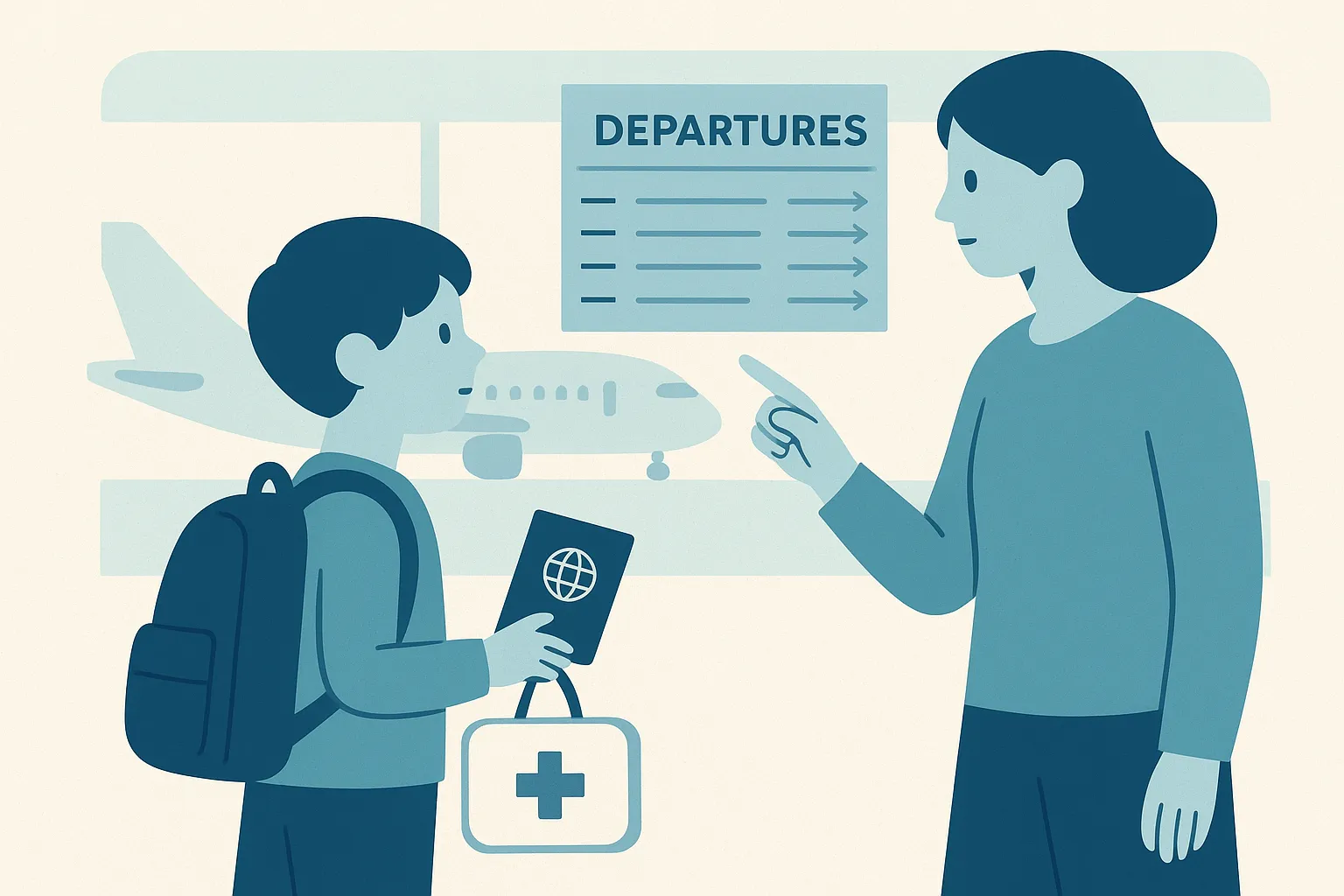
To manage your child's food allergy during an overseas school trip, ensure they have access to safe foods and carry necessary medications like epinephrine auto-injectors. Equip them with knowledge about their allergy and local emergency contacts. This empowers them to travel confidently and safely.
Planning for your child's overseas school trip can be a daunting task, especially when they have food allergies. The prospect of sending your child to a foreign country with unknown food environments and potential language barriers can be overwhelming. However, with the right preparation and strategies, you can help your child manage their food allergy effectively while enjoying their travel experience.
Understanding different food labeling laws and allergen practices in the destination country is crucial. What might be considered a common allergen in one country might not be in another, and food labeling standards vary significantly across the globe. According to the World Health Organization (WHO), being well-informed about these differences is key to preventing allergic reactions.
Besides, communication is vital. Ensuring your child knows how to clearly articulate their allergy in the local language can prevent accidental exposure. Resources from the Centers for Disease Control and Prevention (CDC) offer guidance on common phrases and terms related to food allergies in various languages, helping bridge potential communication gaps.
This guide will equip you with practical tips and comprehensive checklists to ensure your child is prepared and protected, allowing them to focus on making memories and learning new things abroad.
What travellers with this condition need to know
Travelling abroad with a child who has a food allergy requires understanding the risks involved and how they can impact your child's health. It's essential for parents to be well-informed about the potential challenges and prepare accordingly. Below, we discuss some of the key risks involved in managing food allergies while travelling.
Cross-Contamination Risk
One significant risk for children with food allergies is cross-contamination. This occurs when an allergen is unintentionally transferred from one food to another, which can often happen in restaurants or during food preparation. According to the Food Allergy Resource Center, cross-contamination can occur when cooking utensils, surfaces, or even oil used for frying are shared between allergen-containing and allergen-free foods. It is crucial to communicate clearly with restaurant staff and ensure your child's meals are prepared in a safe environment.
Language Barriers and Miscommunication
Language barriers can pose a significant challenge when managing food allergies abroad. Miscommunication about ingredients and preparation methods can increase the risk of exposure to allergens. The World Health Organization emphasizes the importance of clear communication in healthcare, which extends to food safety when travelling. Ensuring that you or your child can effectively communicate their allergies in the local language is crucial. Consider using translation cards or apps that specify the allergens in the local language to avoid misunderstandings.
Limited Access to Allergy-Friendly Foods
Access to allergy-friendly foods can be limited depending on the destination. Some countries may not have the same variety of allergy-specific products available, which can make it challenging to find safe food options for your child. It is advisable to research local cuisine and available products before travelling, and to pack non-perishable, allergy-safe snacks for emergencies. The Centers for Disease Control and Prevention suggests checking local resources or contacting your embassy for information on available allergy-friendly foods in your destination.
By understanding these risks and preparing in advance, parents can help ensure a safer and more enjoyable travel experience for their child with food allergies. Always consult trusted resources and professionals to stay informed about managing your child's specific allergies while travelling.
Before you travel: a practical checklist
- Confirm your child's allergy diagnosis with their healthcare provider at least eight weeks before travel to ensure their medical records are up-to-date and precise. This information is crucial for communicating effectively with schools and healthcare professionals abroad.
- Research the destination's food labeling laws and common allergens in local cuisines six weeks prior to departure. This understanding helps you anticipate potential risks and know what to avoid Food Allergy Resources.
- Communicate with the school and trip organizers four weeks in advance to discuss your child's specific needs, including any dietary restrictions and emergency procedures. This collaboration ensures the trip leaders are prepared to support your child.
- Prepare a translation card in the local language detailing your child's food allergies, symptoms, and emergency response actions. This enables clear communication in restaurants or during emergencies where language barriers exist.
- Identify local hospitals and medical facilities near your child's accommodation and the school's planned activities. Familiarity with these locations supports quick access to medical care if needed.
- Check with your child's healthcare provider about the availability and legality of necessary medications in the destination country. Some medications might require specific permissions or alternatives.
- Ensure your child carries a sufficient supply of safe snacks and meals for the trip. This anticipatory measure provides a safe alternative in case there are no suitable options available.
- Verify travel insurance coverage, particularly for emergency medical care related to food allergies, at least three weeks before departure. This protection is essential for managing unexpected healthcare costs.
- Arrange for a meeting with your child's teacher or chaperone to review the allergy action plan and emphasize the importance of carrying emergency medication at all times.
- Discuss self-advocacy strategies with your child, such as politely declining unsafe foods and recognizing early symptoms of an allergic reaction. This self-awareness fosters greater independence and safety during their trip.
During your trip: managing it abroad
Once your child is on their overseas school trip, managing their food allergy becomes a matter of vigilance and preparedness. Firstly, ensure your child knows how to identify and avoid foods that may trigger their allergy. Practicing how to read food labels in the local language is crucial. There are apps and resources available that can assist with translating ingredient lists, which can be a valuable tool.
Always have your child carry their epinephrine auto-injectors and ensure they know how to use them. The Centers for Disease Control and Prevention (CDC) advises having at least two auto-injectors on hand, as severe reactions may require more than one dose. Ensure these are stored at the recommended temperature, typically between 15°C to 25°C (59°F to 77°F), to maintain efficacy. cdc.gov
If eating out, guide your child to communicate clearly with restaurant staff about their allergy. A simple, assertive sentence to use is, “My child has a severe allergy to [allergen]. Can you confirm this dish does not contain it?” For added safety, consider contacting the restaurant in advance to discuss menu options.
In the event of an allergic reaction, knowing the signs that warrant immediate medical attention is vital. Symptoms such as difficulty breathing, swelling of the tongue or throat, and a sudden drop in blood pressure signal anaphylaxis and require urgent care. The World Health Organization (WHO) emphasizes the importance of immediate administration of epinephrine in such cases. who.int
To prepare for interactions with pharmacists or cabin crew, teach your child or their chaperone how to request help. For pharmacists: “Can you help us find a substitute for this brand of medication due to an allergy?” For cabin crew: “My child has a severe allergy. Could we have assistance with food and emergency protocol?”
Empower your child by encouraging them to wear a medical alert bracelet and to always keep a list of emergency contacts and local medical facilities handy. This can be a lifeline in unfamiliar locations. With these strategies in place, your child can navigate their trip with confidence and safety.
How this changes by destination and situation
| Situation | What Specifically Changes |
|---|---|
| Heat | High temperatures can affect the stability of medications such as epinephrine auto-injectors. Ensure they are stored in a cool, insulated container to maintain efficacy. Increased perspiration may also require more frequent washing of potential allergens from the skin to prevent contact reactions. For more guidance on medication storage, consult the CDC. |
| Altitude | Higher altitudes can exacerbate symptoms of an allergic reaction due to changes in oxygen levels, potentially intensifying respiratory issues. Be extra vigilant about allergen exposure and ensure quick access to medication. Learn more about altitude effects on health from the WHO. |
| Long-haul flight | Airlines may have different policies regarding food allergies, and cross-contamination is a risk. Notify the airline in advance, carry safe snacks, and remind your child to avoid airline food unless it has been confirmed allergen-free. The ISTM offers additional advice on travel safety. |
| Cruise | Cruise ships often have limited access to medical facilities and varying food preparation standards. Contact the cruise line ahead of time to discuss allergy accommodations and emergency protocols. The CDC provides resources on cruise ship travel. |
| Limited healthcare infrastructure | In regions with limited healthcare resources, accessing emergency treatment may be challenging. Research local medical facilities, carry a translated emergency plan, and ensure your child knows how to use their epinephrine auto-injector. Visit the WHO for information on global health facilities. |
In an emergency: what first responders need to know
In an emergency situation involving a child's food allergy, time is critical. First responders must quickly ascertain the child's specific allergies, the severity of their reactions, and the immediate steps required for treatment. This vital information should be readily accessible within the first thirty seconds of their arrival.
Ensure your child carries a medical alert bracelet or necklace that clearly states their allergy. This is the first point of reference for first responders and can be a lifesaver in situations where every second counts. Additionally, a personalized emergency action plan should be included in a clearly labeled, easily reachable pouch in their backpack or pocket. This document should outline the specific allergens, typical symptoms of exposure, and instructions for administering medications like an epinephrine auto-injector.
Language barriers can complicate communication, so it's beneficial to have the emergency action plan translated into the local language of the destination. Consider using translation apps or services to ensure accuracy. Furthermore, include visual aids such as symbols or pictograms, which can transcend language barriers and convey essential information quickly.
It's also crucial to indicate where the child's epinephrine auto-injector is located. This should be clearly marked on the emergency action plan and reiterated verbally to school staff and travel supervisors.
For additional guidance, the CDC provides resources on managing food allergies and emergency response procedures, which can be invaluable in preparing for your child's trip. Equipping first responders with this information can significantly improve the response to an allergic emergency, ensuring your child receives the prompt care they need.
How HealthPass helps
HealthPass provides essential tools for managing your child's food allergy during their overseas school trip. By storing comprehensive health records, HealthPass ensures that your child's allergy information is easily accessible. This can be crucial in communicating with local healthcare providers in case of an emergency, allowing for prompt and accurate treatment.
With HealthPass's trip planning feature, you can research destination-specific health requirements and food safety standards. This helps you identify potential risks and make informed decisions about your child's travel itinerary. Such preparation is valuable in minimizing allergy risks and ensuring your child's safety abroad.
Understanding local food labeling and allergen information is fundamental. HealthPass offers guidance on destination requirements, which can assist in navigating different food labeling laws and practices, thereby helping your child avoid allergenic foods effectively.
In an emergency, the HealthPass emergency card provides first responders with instant access to critical information, such as your child's specific allergies and emergency contact details. This rapid access can be lifesaving, allowing for immediate and appropriate medical response.
By leveraging these features, HealthPass empowers you and your child to manage food allergies confidently and safely, no matter where their school trip takes them.
Start your free HealthPass account — it takes a minute and costs nothing.
Frequently asked questions
Q: Can my child fly with an epinephrine auto-injector?
A: Yes, children can fly with an epinephrine auto-injector. Airlines typically allow these devices in carry-on baggage. It is advisable to carry a doctor's note and prescription label to avoid any issues at security checkpoints. Check with your airline for their specific policies on medical devices.
Q: How do I communicate my child's food allergy in a foreign language?
A: Use translation apps or carry allergy translation cards that clearly state your child's food allergies in the local language. These tools can help communicate essential information to restaurant staff and others. Practice key phrases with your child to ensure they can also express their needs.
Q: What should I do if my child accidentally ingests an allergen?
A: Administer an epinephrine auto-injector immediately if your child shows symptoms of a severe allergic reaction. After using the auto-injector, seek emergency medical assistance promptly. Carrying an emergency action plan can guide you and others in such situations. For more, visit the CDC.
Q: How can I ensure the school is aware of my child's food allergy?
A: Provide the school with comprehensive information about your child's allergy, including a written emergency action plan and necessary medications. Schedule a meeting to discuss their policies and your child's specific needs. Regular communication with teachers and chaperones is also crucial.
Q: Are there any destinations that are safer for children with food allergies?
A: Some destinations may have better infrastructure and awareness regarding food allergies. Research countries with strict food labeling laws and robust healthcare systems. The WHO provides resources that can help identify safe travel destinations.
Q: What food allergy resources are available at my destination?
A: Research local hospitals and clinics that can handle allergic reactions before traveling. Identify local support groups or organizations that provide resources for managing food allergies. Having local contacts can be invaluable in an emergency. The ISTM offers a directory of travel medicine clinics worldwide.
What this guide does not cover
This guide does not cover specific dietary management strategies for every type of food allergy, as they can vary significantly between individuals. For personalized advice tailored to your child's unique allergen profile, consult with a healthcare provider or a registered dietitian. They can provide comprehensive guidance on dietary restrictions and safe food choices. Additionally, while this guide outlines general emergency procedures, it does not replace professional medical advice or emergency action plans specifically designed for your child. For detailed emergency protocols, refer to resources from the CDC or your local health authority for the most applicable information.
Keep this checklist, your medications and your documents in one place you can open at a border, a pharmacy or an emergency room.
This article is intended for informational purposes only and is not a substitute for professional medical advice, diagnosis, or treatment. Always seek the advice of your physician or other qualified health provider with any questions you may have regarding a medical condition. For more information, visit the World Health Organization or Centers for Disease Control and Prevention websites.
Keep your medications, allergies and vaccinations with you abroad: a travel medical records app with an emergency card a doctor can read in five languages, or print a free emergency card in their language.